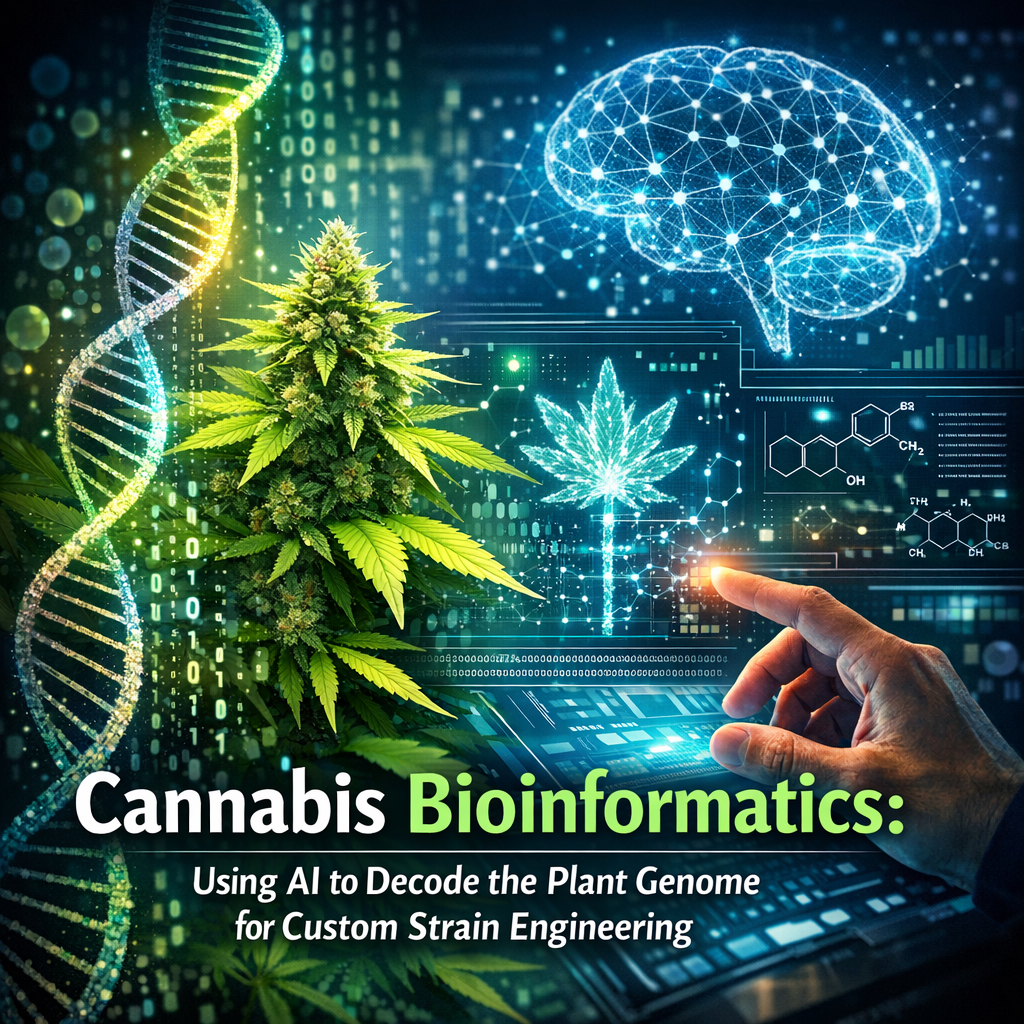
Cannabis Bioinformatics: Using AI to Decode the Plant Genome for Custom Strain Engineering
Introduction
The ever-expanding frontier of cannabis research has recently crossed into the realms of bioinformatics and artificial intelligence (AI), radically transforming our perception of this ancient plant. Traditionally, the cultivation and characterization of cannabis strains were conducted through anecdotal methods and traditional breeding techniques. The emergence of advanced bioinformatics tools combined with AI-driven analysis is unlocking new potentials in the cannabis industry. These methodologies decode the complex cannabis genome and facilitate the engineering of custom strains for specific medical, recreational, and industrial needs.
Bioinformatics is an interdisciplinary field utilizing software tools to understand biological data. In cannabis research, bioinformatics interprets the plant’s genetic information with unprecedented precision. The intricate and massive cannabis genome contains sequences in the billions of base pairs. Identifying genomic variants and associating them with functional traits like terpene profiles, cannabinoid concentrations, and resilience factors requires robust genome-wide association studies (GWAS).
AI algorithms play a transformative role by rapidly processing vast datasets and identifying trends and correlations overlooked by conventional analysis. The strength of machine learning algorithms lies in predicting plant phenotypes and studying the manifestation of genomic differences in physical traits.
For cannabis cultivators, these innovations mean strategically breeding strains with higher potency, flavors, and resilience to environmental stressors. On the medical front, cannabis can be tailored to enhance therapeutic profiles, leading to personalized and effective treatments. This convergence of AI, bioinformatics, and cannabis denotes a scientific, systematic shift in cannabis production, occurring as societal acceptance and regulatory conditions are favorable.
Features
Several studies highlight the transformative role of bioinformatics and AI in decoding the cannabis genome. Scientists from the University of Toronto’s Computer Science department and Donnelly Centre for Cellular and Biomolecular Research have advanced machine learning techniques to evaluate cannabis genetic data. Their projects distinguish the thousands of potential cannabinoid synthesis pathways for targeting desirable traits in custom strains.
The emergence of AI tools like Phylos Bioscience’s Galaxy, a platform mapping cannabis genotypes, exemplifies how genomic data aids medical researchers and growers in understanding the genetic tapestry of cannabis. These technologies allow researchers to pinpoint specific genes responsible for unique cannabinoids and terpenes, leading to novel strains with targeted medical benefits or improved growth traits.
A study published in *Nature* outlines how interdisciplinary initiatives use bioinformatics to analyze not just genetics but the complete “omics” of the plant (genomics, proteomics, metabolomics). Researchers investigate these omics interactions to understand their contribution to cannabis’s overall efficacy in treating chronic pain, sleep disorders, anxiety, and epilepsy. This exploration is crucial because variations in cannabis chemistry, even within the same strain, significantly affect therapeutic outcomes.
Furthermore, CRISPR technology, guided by AI-driven genetic mapping, opens new possibilities in strain engineering. Researchers could edit genes regulating cannabinoid synthesis to customize profiles that alleviate specific medical conditions. By increasing or suppressing compounds such as THC or CBD, strain psychoactive and medicinal properties can be precisely tailored.
These advancements highlight how AI and bioinformatics accelerate and redefine scientific discovery, laying the foundation for tailored cannabis consumption and marking an evolution in the cannabis industry’s future.
Conclusion
The integration of AI and bioinformatics into cannabis research marks not merely a technological advancement but a paradigm shift enabling us to fully harness the cannabis genome. Personalizing strain engineering promises an era of more effective, targeted, and safer products for consumers and patients. As digital intelligence continues to unlock cannabis mysteries, the plant’s future is woven with endless possibilities.
References
1. [University of Toronto: “AI-assisted Genomic Analysis in Cannabis.”](https://www.utoronto.ca/science-ai-genomics)
2. [Phylos Bioscience Galaxy Platform.](https://phylos.bio/galaxy)
3. [Nature Journal: “Integration of Omics in Cannabis Strain Development.”](https://www.nature.com/articles/s41587-020-0459-8)
Concise Summary
The integration of AI and bioinformatics is revolutionizing cannabis research, decoding the plant’s complex genome to develop custom strains for specific applications. By utilizing genome-wide association studies (GWAS) and machine learning algorithms, researchers and cultivators can now tailor strains for enhanced therapeutic benefits and industrial uses. As the industry advances through CRISPR technology and “omics” research, the evolution in cannabis production reflects a pivotal scientific shift towards more personalized and systematic approaches to enhance consumer experiences and medical treatments.