AI-Driven Cultivation: Revolutionizing Cannabis Growth with Machine Learning & Smart Sensors
In the rapidly evolving world of agriculture, technology is reshaping traditional methods, with Artificial Intelligence (AI) leading the charge. The cannabis industry, in particular, is poised to benefit from these advancements by employing AI-driven cultivation strategies. As cannabis legalization progresses worldwide, the demand for high-quality products has intensified, urging growers to adopt innovative approaches to remain competitive. The convergence of machine learning, smart sensors, and big data is ushering in a new era of efficiency, precision, and sustainability for cannabis cultivation.
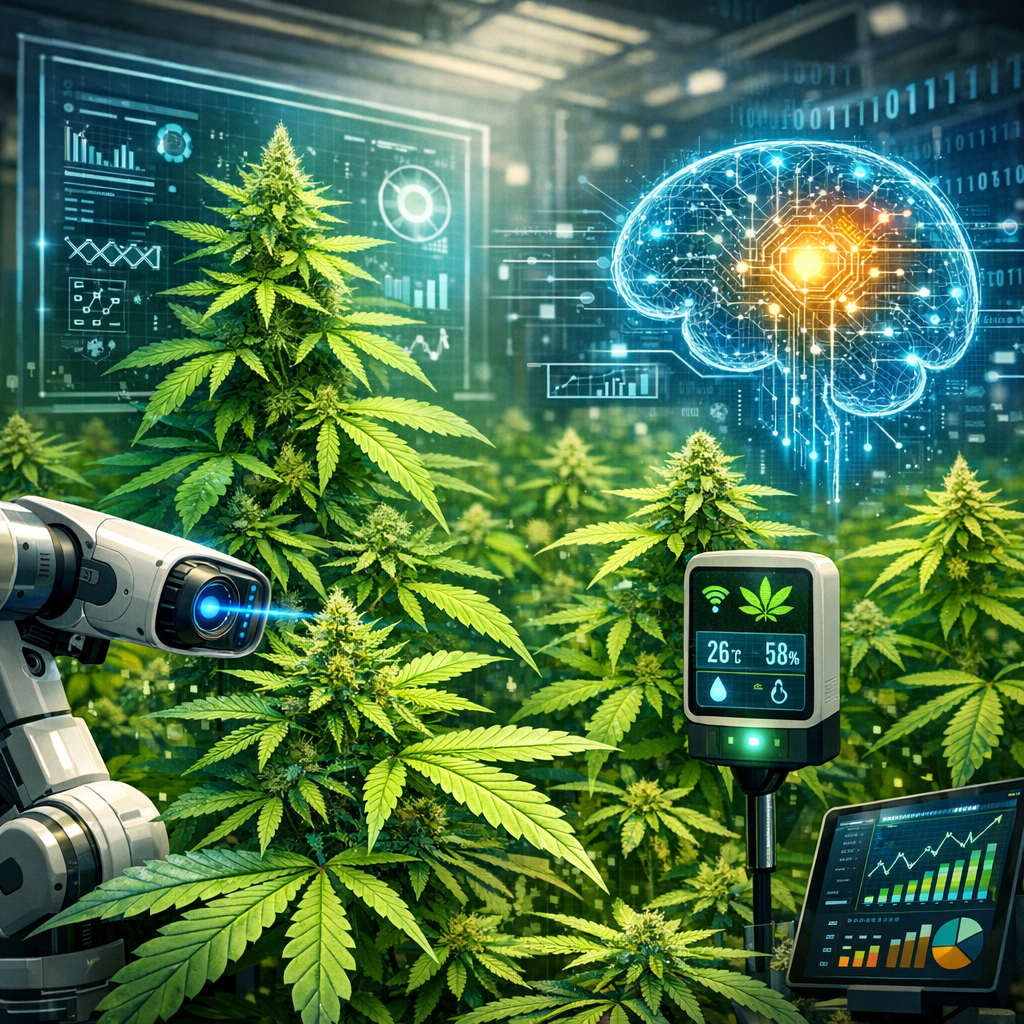
AI-driven cultivation leverages sophisticated algorithms to monitor and adjust environmental conditions in real-time. By analyzing data from smart sensors placed throughout a grow facility, AI systems can optimize factors such as temperature, humidity, light exposure, and soil conditions to maximize yield and quality. This data-driven approach allows for dynamic decision-making, where changes to the growing environment are seamlessly enacted to meet specific crop requirements at different stages of growth. Furthermore, AI systems ensure that the resources are used efficiently, thereby reducing the environmental footprint associated with traditional cultivation methods.
The integration of AI in cannabis cultivation also promises significant cost reductions. Labor, traditionally a significant expense, can be streamlined as machines automate tasks such as watering, nutrient distribution, and pest control. Moreover, machine learning models can predict potential issues, such as disease outbreaks before they manifest, further reducing costs associated with crop loss and enabling proactive intervention.
AI’s precision extends beyond environmental control to strain development and breeding decisions. Advanced algorithms can analyze the plant’s genetic data to identify and select for desirable traits, expediting the process of developing new strains that cater to specific medicinal or recreational needs. This capability opens the door for personalized cannabis treatments, enhancing the therapeutic applications for patients who rely on cannabis for conditions like chronic pain, epilepsy, and mental health disorders.
Features: Pioneering Studies in AI and Cannabis Cultivation
While the concept of AI in agriculture is relatively new, early adopters in the cannabis sector are already reporting impressive outcomes. A study published in the journal [Frontiers in Plant Science](https://www.frontiersin.org/articles/10.3389/fpls.2020.573622/full) highlights the use of machine learning techniques to improve plant health and yield. The researchers employed AI algorithms to analyze spectral imaging data, successfully identifying and addressing nutrient deficiencies in crops before symptoms became visible.
Furthermore, a collaboration between technology firms and research institutions has demonstrated the potential of smart sensors in maintaining optimal growing conditions. One such project, documented in [Agriculture](https://www.mdpi.com/2077-0472/9/3/53), utilized IoT-connected devices to collect a constant stream of environmental data, which AI systems interpreted to enhance crop yield while minimizing resource use. These studies illustrate how integrating AI technology can help growers achieve more with less, a principle vital in modern sustainable farming practices.
Medical professionals are also exploring AI’s role in developing cannabis-based therapies. With the ability to analyze vast data sets, AI can identify specific cannabinoids and terpenes responsible for particular health benefits. This knowledge might lead to the development of more effective treatment protocols for conditions like multiple sclerosis or anxiety disorders, tailored to individual patient needs.
A notable example of AI’s medicinal potential is a project led by the company [Trait Biosciences](https://www.traitbio.com/), where AI and machine learning techniques are applied to optimize the extraction of cannabinoids to ensure the highest purity and efficacy. This precision in cannabinoid extraction is crucial for the pharmaceutical cannabis market, which demands consistency and accuracy in product composition.
Conclusion
AI-driven cultivation marks a transformative shift in the cannabis industry, promising to enhance operational efficiencies, yield quality, and therapeutic potential. By harnessing the full capabilities of machine learning and smart sensor technologies, growers can respond adeptly to market demands for high-quality cannabis. As research continues to underscore AI’s benefits and applications expand, the future of cannabis cultivation is likely to become increasingly data-driven, sustainable, and tailored to individual preferences and medical needs.
References
– [Frontiers in Plant Science](https://www.frontiersin.org/articles/10.3389/fpls.2020.573622/full)
– [Agriculture](https://www.mdpi.com/2077-0472/9/3/53)
– [Trait Biosciences](https://www.traitbio.com/)
Concise Summary
AI is transforming the cannabis industry through enhanced cultivation methods using machine learning and smart sensors. These advancements allow for precise environmental control, strain development, and significant cost reductions, while also enabling the development of customized medicinal therapies. As the industry embraces these technologies, cannabis cultivation is set to become more efficient, sustainable, and tailored to the needs of consumers and patients worldwide.