The Biomechanics of Cannabis: Engineering Plants for Maximum Medicinal Efficacy Without Genetic Modification
Introduction
With the meteoric rise in the acceptance and utilization of cannabis for medicinal purposes, the quest to optimize the plant’s therapeutic potential has fascinated both scientists and horticulturists alike. At the forefront of these efforts is the burgeoning field of plant biomechanics—a science that merges biology and mechanical engineering concepts to cultivate cannabis strains with superior medicinal efficacy. With increasing concerns surrounding genetic modification, biotechnologists and horticulturists are exploring innovative methods to enhance the phytochemical properties of cannabis without altering its genetic makeup.
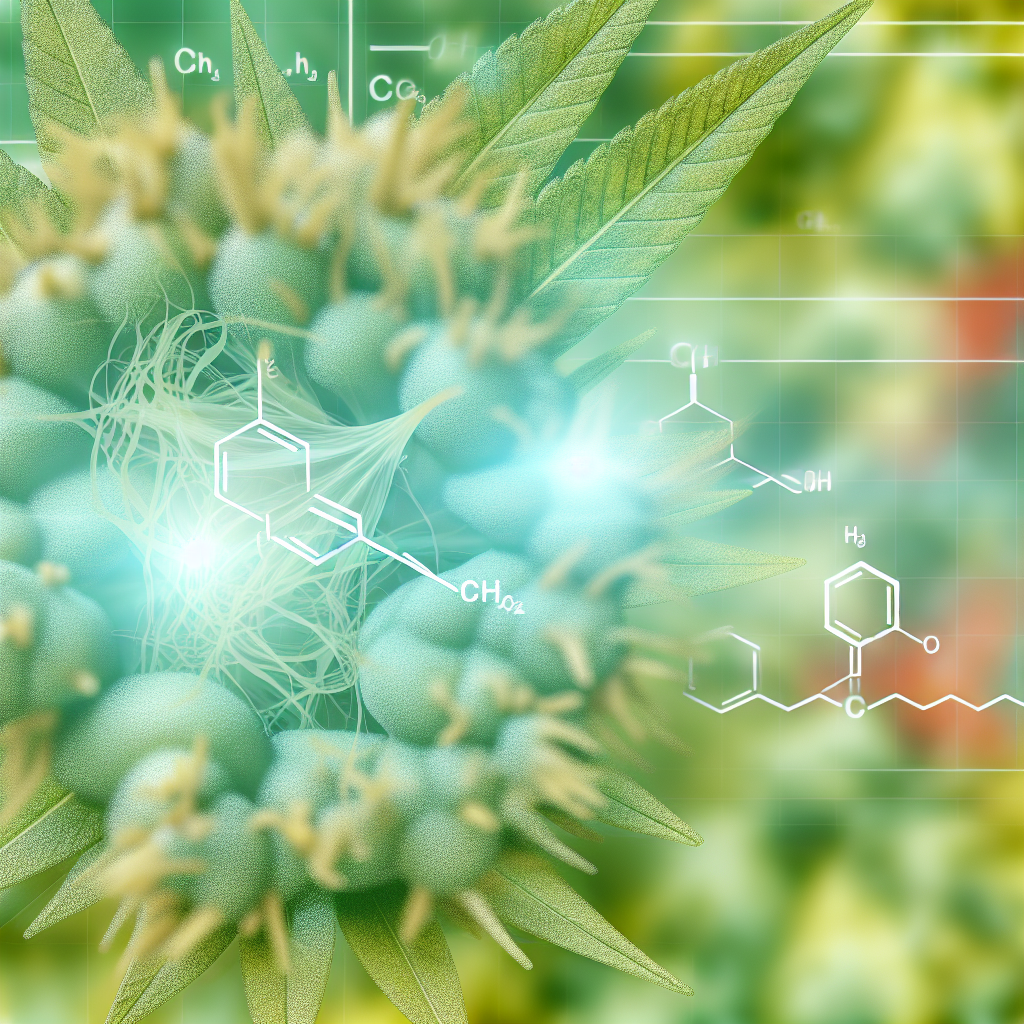
Biomechanics in cannabis cultivation involves understanding and manipulating the plant’s physical and biological systems to enhance its natural ability to produce therapeutic compounds. A critical aspect of this discipline is optimizing parameters like light exposure, soil composition, and hydration to bolster cannabinoid concentration and diversity. For cannabis, cannabinoids such as THC and CBD, and terpenes, the aromatic compounds that amplify the effects of these cannabinoids, are central to its medicinal properties. By improving the plant’s biomechanics, cultivators aim to naturally enhance the biosynthesis of these valuable compounds.
Additionally, biomechanics extends to the structural aspects of the plant, wherein careful manipulation of external conditions can influence the growth patterns, sturdiness, and yield of cannabis plants, providing more consistent and reliable medicinal products. Advanced cultivation techniques such as LST (Low-Stress Training) and HST (High-Stress Training) are examples where physical manipulation is used to encourage bushier growth and increase flower yield without resorting to genetic alteration.
This shift from genetic modification to biomechanical optimization aligns with a broader trend towards sustainable, organic, and natural cultivation practices. By focusing on optimizing the conditions under which cannabis grows, this approach not only preserves the plant’s genetic integrity but also meets the growing consumer demand for natural products. As we delve deeper into the science of plant biomechanics, we are beginning to unlock the full spectrum of cannabis’ medicinal potential, paving the way for treatments that are both safe and highly effective.
Features
Recent studies have demonstrated the impact of biomechanics on the quality and efficacy of cannabis plants. One such study highlighted in the [Journal of Plant Growth Regulation](https://link.springer.com/journal/344) affirms that adjusting environmental factors such as CO2 levels and light cycles can significantly influence cannabinoid profiles and overall plant health. Aspects like light spectrum, intensity, and duration were shown to have a profound effect not only on plant growth but also on the biosynthesis of cannabinoids and terpenes.
Moreover, a study in the [Plant Physiology journal](https://academic.oup.com/plphys) explored the role of soil composition and microbial interaction in enhancing phytochemical profiles. It was found that richer, microbe-dense soils contributed to an increased production of terpenes, which work synergistically with cannabinoids to enhance medicinal effects. These findings are pivotal for cultivators aiming to harness the therapeutic potential of cannabis without altering genetic codes, relying instead on biomechanical practices to achieve desired outcomes.
Another crucial study, published in the [Annals of Botany](https://academic.oup.com/aob), discovered that specific pruning techniques could induce stress responses in cannabis plants, leading to a heightened synthesis of secondary metabolites, including cannabinoids. This highlights a biomechanical strategy where physical manipulation prompts plants to bolster their natural defense mechanisms, resulting in a product that is richer in medicinal compounds.
These studies underscore the viability of leveraging biomechanical principles to optimize cannabis cultivation. By focusing on the plant-environment interactions and strategic physical manipulation, cultivators can naturally amplify the medicinal attributes of cannabis. This approach promises to revolutionize the industry, offering a pathway to high-quality, GMO-free therapeutic cannabis.
Conclusion
The exploration of cannabis biomechanics opens new horizons for achieving maximum medicinal efficacy sustainably and naturally. By focusing on environmental manipulation and plant management strategies, the industry can sidestep genetic modification, meeting consumer demands for organic and natural products. As research continues, these innovative practices promise to redefine cannabis cultivation, elevating it to new standards of medicinal excellence, benefitting consumers and professionals alike.
Concise Summary
The biomechanics of cannabis involves utilizing scientific methods to enhance the plant’s medicinal potential without genetic modification. By optimizing environmental factors such as light, CO2 levels, soil composition, and using advanced training techniques, breeders can naturally boost cannabinoid and terpene production. Research indicates these biomechanical strategies enhance medicinal efficacy while maintaining genetic integrity, aligning with the demand for natural products. This innovative approach focuses on sustainable and organic cultivation, promising revolutionary advancements in the cannabis industry for high-quality therapeutic outcomes.