The Green Promise: Leveraging Synthetic Biology for Future-Proof Cannabis Strains
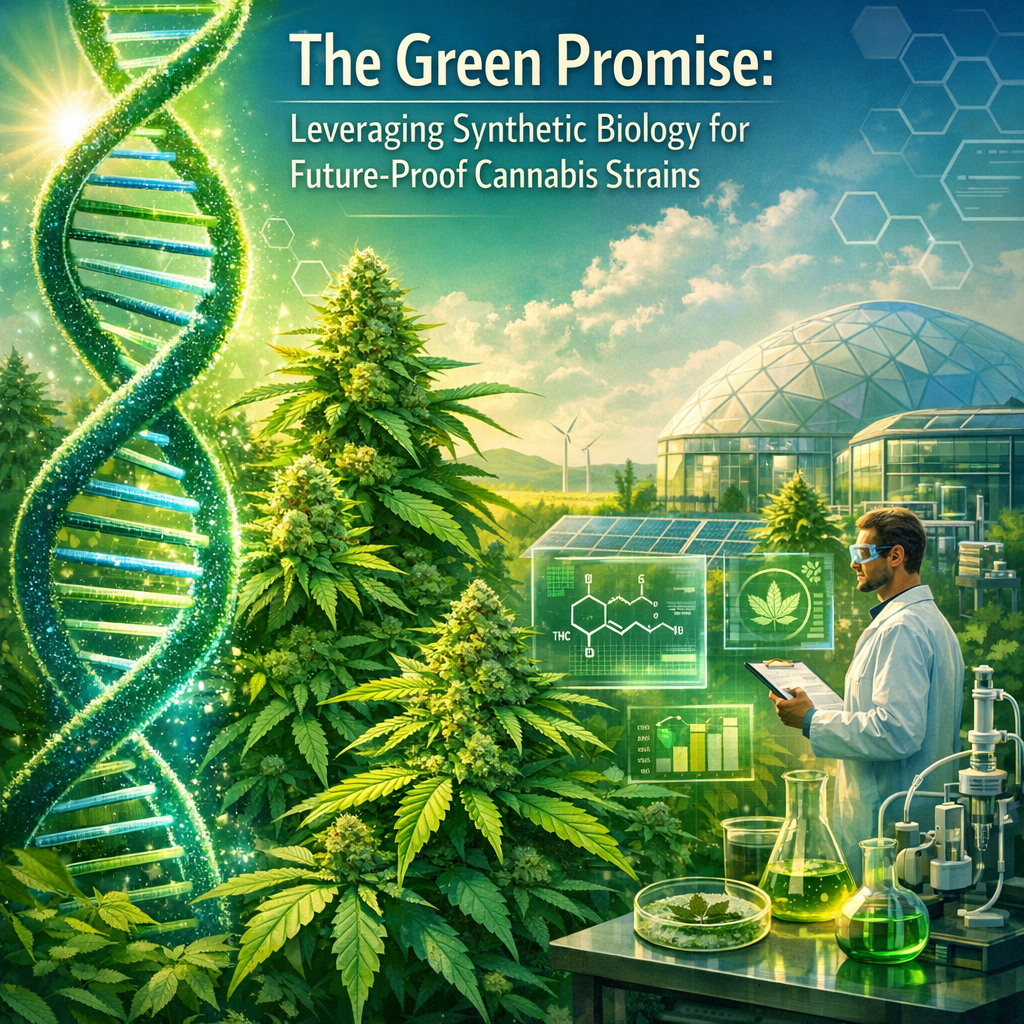
Cannabis has evolved from a stigmatized plant to a beacon of promise for myriad industries, including medicine, agriculture, and recreational use. As scientists have delved deeper into its genetic structure, the potential for cannabis innovation has only grown. A technological evolution, synthetic biology, is ushering in a new era for cannabis enthusiasts and researchers, driving the development of future-proof strains tailored for various needs. The marriage of cannabis cultivation and synthetic biology— the redesign of organisms for useful purposes—paves the way for the creation of strains with heightened resilience, therapeutic potency, and tailored chemical profiles.
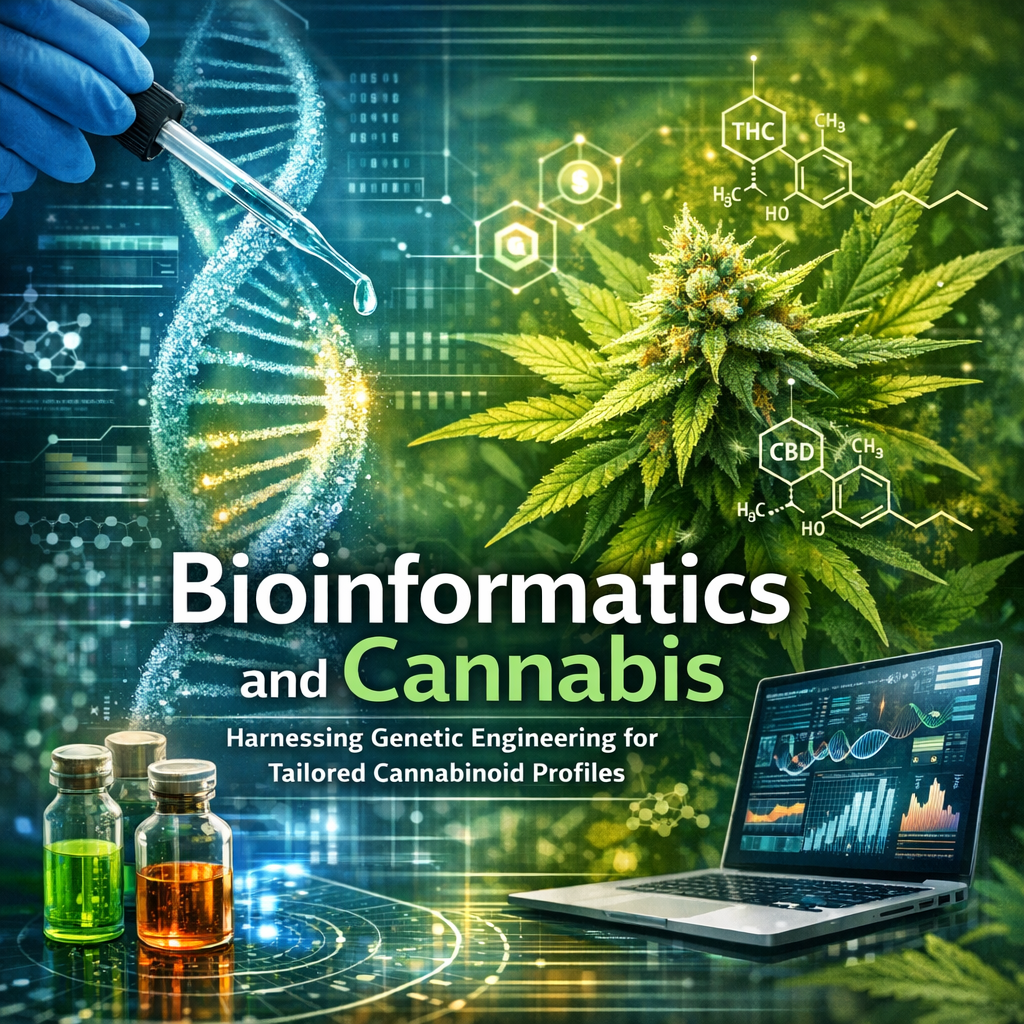
At the heart of synthetic biology is the ability to re-engineer organisms at their most fundamental level—DNA. By manipulating genetic sequences, scientists can design organisms with specific attributes. For cannabis, this translates into the development of strains that not only yield more robust plants but can be customized for specific chemical compounds, including cannabinoids like THC and CBD, as well as terpenes that offer unique flavors and medicinal benefits. This innovation stands to transform how cannabis is used and perceived across various sectors.
The need to future-proof cannabis strains is more pressing than ever. Climate unpredictability and varying regulations necessitate the development of plants that can withstand environmental stressors and align with international standards. Moreover, the global cannabis market is expanding, with analysts predicting it could exceed $90 billion by the end of the decade. A significant challenge is ensuring sustainability and consistency in supply to meet this demand. Synthetic biology has the potential to deliver strains that are more productive and require fewer resources, providing a sustainable solution.
As the field of synthetic biology evolves, the cannabis industry stands on the brink of a revolution. By integrating these scientific advancements, cultivators can optimize production, ensuring both quality and efficiency. This integration opens doors to new possibilities, transforming cannabis into a crop that can be as adaptive and diverse as the needs and interests it serves.
Professional and Medical Studies
The application of synthetic biology in cannabis is supported by various studies, underscoring its potential to revolutionize industry practices and medical applications. A pivotal study by [Keasling et al. (2019)](https://science.sciencemag.org/content/364/6439/647) at the University of California, Berkeley, demonstrated how yeast could be genetically modified to produce cannabinoids typically found in low concentrations within cannabis plants. This research highlights the potential for producing rare cannabinoids efficiently, providing an affordable means to harness their unique therapeutic properties.
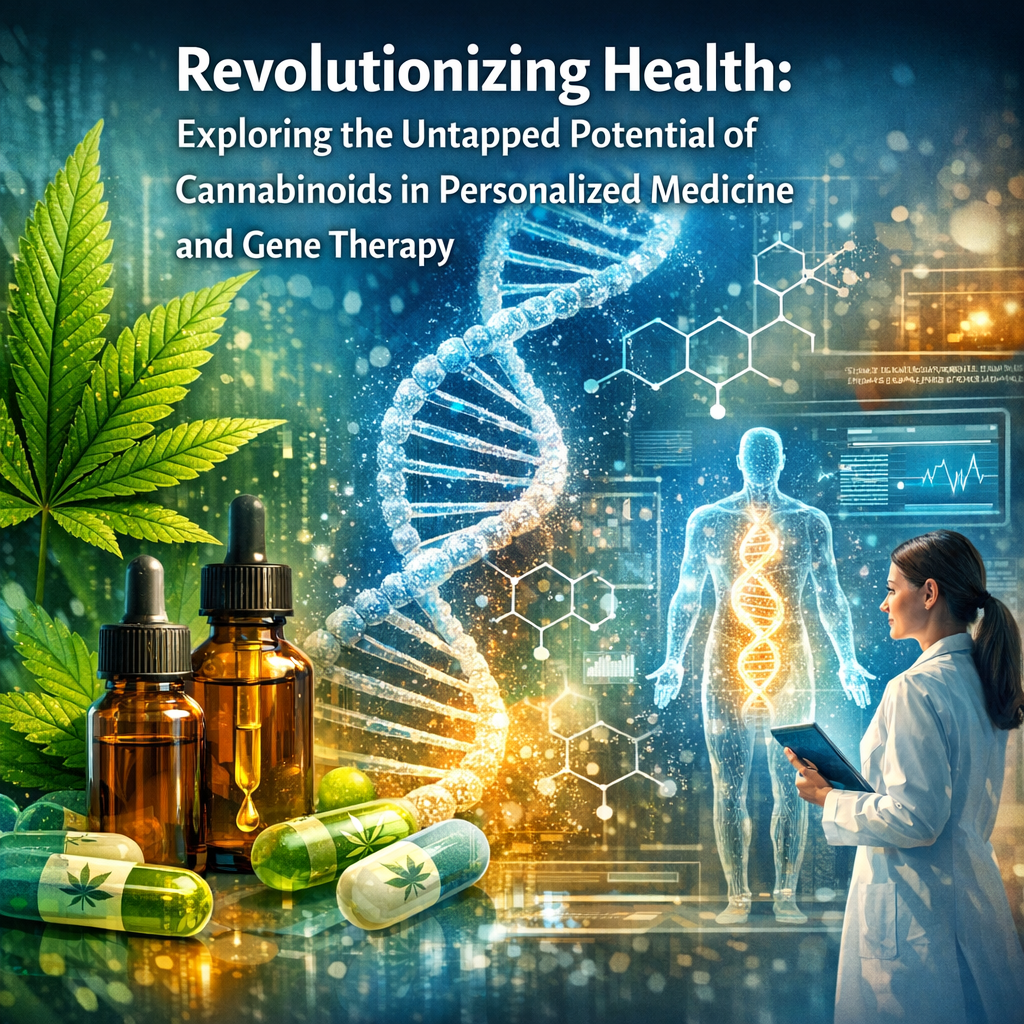
Further research by [McPartland et al. (2018)](https://www.ncbi.nlm.nih.gov/pmc/articles/PMC5938896/) explored cannabis genomics and suggested that understanding cannabis’s vast chemical profile could lead to new medical applications, particularly in areas where traditional therapies may fall short. This genomics research forms the groundwork for synthetic biology to create strains with specific ratios of cannabinoids and terpenes, tailoring treatments for medical conditions like multiple sclerosis and chronic pain.
In agriculture, synthetic biology offers solutions to pressing challenges, including pest resistance and climate adaptation. Greenhouse studies conducted by [Scientific Reports (2020)](https://www.nature.com/articles/s41598-020-65400-y) indicated that re-engineering cannabis strains with synthetic biology tools could produce plants more resilient to environmental stressors, like drought and high temperatures. This resilience is crucial for maintaining yields as climate change impacts traditional cultivation methods.
As these studies illustrate, the intersection of synthetic biology and cannabis cultivation is a frontier filled with promise. Synthetic biology could facilitate not only higher-yield crops and targeted cannabinoid production but also reduce the environmental impact of cannabis cultivation.
Conclusion
The integration of synthetic biology into the cannabis industry marks a pivotal shift, poised to address challenges of sustainability, efficiency, and medical application. As research continues to uncover new possibilities, synthetic biology could redefine cannabis cultivation, ensuring a future where innovation meets demand responsively and ethically. As the green promise of synthetic biology unfolds, both consumers and professionals stand to benefit from tailored solutions this technology offers.
Concise Summary
Synthetic biology is revolutionizing cannabis cultivation by enabling the creation of strains with specific attributes, heightened resilience, and tailored chemical profiles. This innovation promises to address challenges related to sustainability, efficiency, and medical applications, as well as help the industry adapt to climate changes and market demands. As scientific research continues to explore the potential of synthetic biology in cannabis, the industry is poised for a transformative change that can meet diverse consumer and professional needs.
References
– [Keasling, J.D., et al. (2019). “Yeast can produce rare cannabinoids,” University of California, Berkeley.](https://science.sciencemag.org/content/364/6439/647)
– [McPartland, J.M., et al. (2018). “Cannabis genomics and its implications for medical use.”](https://www.ncbi.nlm.nih.gov/pmc/articles/PMC5938896/)
– [Scientific Reports (2020). “Synthetic biology and cannabis resilience.”](https://www.nature.com/articles/s41598-020-65400-y)