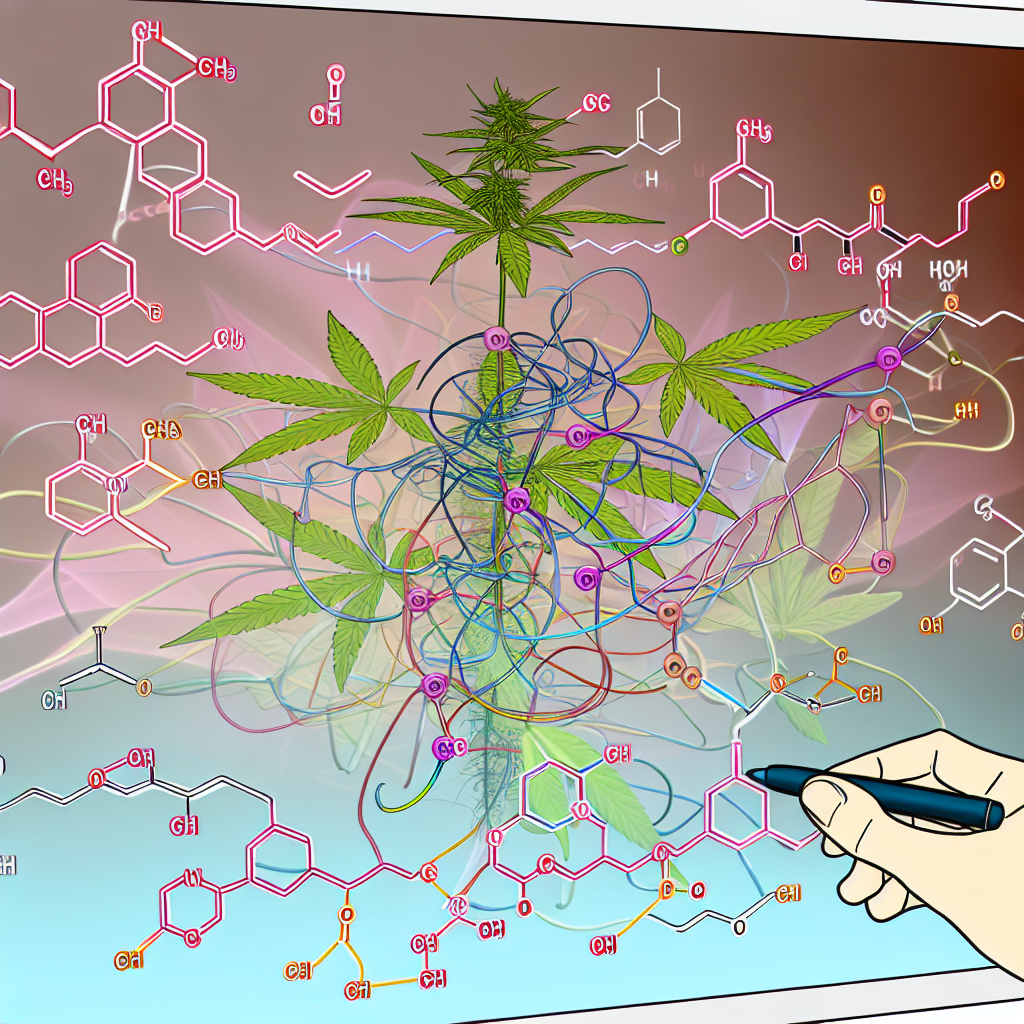
Harnessing CRISPR Technology to Revolutionize Cannabinoid Biosynthesis
Introduction
In recent years, the cannabis industry has undergone tremendous growth and transformation, shifting from the fringes of society into a multi-billion-dollar market. This shift is influenced by increasing legalization efforts and significant advancements in scientific and biotechnological research dedicated to understanding and manipulating cannabis compounds. Among these advancements, CRISPR (Clustered Regularly Interspaced Short Palindromic Repeats) technology stands out as a promising tool with the potential to revolutionize cannabinoid biosynthesis.
CRISPR technology is a powerful tool for gene editing that allows scientists to make precise modifications to an organism’s DNA. Originally discovered as part of the bacterial immune system, its utility extends far beyond basic research. Today, CRISPR is being adapted to efficiently produce specific cannabinoids, offering the potential to create designer strains of cannabis that emphasize particular therapeutic or recreational benefits.
Why focus on biosynthesizing cannabinoids? The answer lies in the complex nature of cannabis plants and their compounds. While over 100 cannabinoids have been identified in cannabis, the plant’s natural growth conditions can significantly affect the concentration of these compounds, making it challenging to produce consistent and reliable products for medical and recreational use. Cannabinoids like THC (tetrahydrocannabinol) and CBD (cannabidiol) are well-known, but others like CBN (cannabinol), CBG (cannabigerol), and THCV (tetrahydrocannabivarin) are gaining attention for their unique properties and potential health benefits.
Harnessing CRISPR technology, researchers aim to optimize the Cannabis sativa plant at the genetic level, increasing the efficiency of cannabinoid production and enabling a more controlled and sustainable approach. This has implications for large-scale agriculture and pharmaceutical applications and aligns with the growing consumer demand for more targeted and effective cannabis-based therapies.
Features
Several professional and medical studies highlight the transformative potential of CRISPR in the field of cannabinoid biosynthesis. One such study, published in the journal *Nature*, demonstrated the ability to engineer yeast to produce cannabinoids typically found in cannabis. Researchers successfully used CRISPR to insert specific genes involved in cannabinoid biosynthesis into yeast, effectively turning these microorganisms into cannabinoid-producing factories. This approach is not only innovative but could also lead to more environmentally friendly and scalable methods of cannabinoid production [Nature Biotechnology Study](https://www.nature.com/articles/s41587-019-0197-1).
Additionally, a study published in *Trends in Biotechnology* explores how CRISPR could target other non-cannabinoid secondary metabolites in cannabis to enhance the plant’s overall utility. This study emphasizes the broad applications of CRISPR, suggesting the potential to increase the resistance of cannabis plants to pests and adverse environmental conditions, thereby improving yield and consistency [Trends in Biotechnology Study](https://www.cell.com/trends/biotechnology/fulltext/S0167-7799(18)30282-6).
Furthermore, medical research is rapidly evolving, with researchers exploring the potential of CRISPR-engineered cannabinoids to target specific medical conditions. A pivotal study in the *Journal of Cannabis Research* highlights the application of CRISPR to increase the production of minor cannabinoids with notable therapeutic effects, such as CBG, which has been shown to have potential anti-inflammatory and neuroprotective properties [Journal of Cannabis Research Study](https://jcannabisresearch.biomedcentral.com/articles/10.1186/s42238-018-0002-5).
These studies underscore the potential of CRISPR not only to streamline and improve cannabinoid biosynthesis but also to pave the way for innovative treatments within the medical realm. As the technology advances and regulatory frameworks adapt, the interplay between genetics and cannabinoid chemistry promises to unlock new frontiers in both cannabis cultivation and pharmaceutical development.
Conclusion
In conclusion, the integration of CRISPR technology into cannabinoid biosynthesis represents a significant leap forward for the cannabis industry. This cutting-edge approach holds the promise of producing more consistent, sustainable, and tailored cannabis products that can meet both consumer and medical demands. As researchers continue to explore the potential of this powerful gene-editing tool, the future of cannabis cultivation and therapy could be significantly reshaped, offering exciting possibilities for innovation and growth within the industry.
Concise Summary:
The integration of CRISPR technology into the cannabis industry marks a significant advancement, promising to revolutionize cannabinoid biosynthesis. This approach allows for precise modification of cannabis genetics, leading to efficient and sustainable production of targeted cannabinoids for therapeutic and recreational use. Studies reveal CRISPR’s ability to engineer yeast for cannabinoid production, enhance resistance to environmental conditions, and develop innovative medical treatments. As gene-editing technology progresses and regulations evolve, CRISPR could reshape cannabis cultivation and pharmaceutical applications, catering to increasing consumer demands.