Certainly! Here’s the revised document with the specified formatting and additional information where needed:
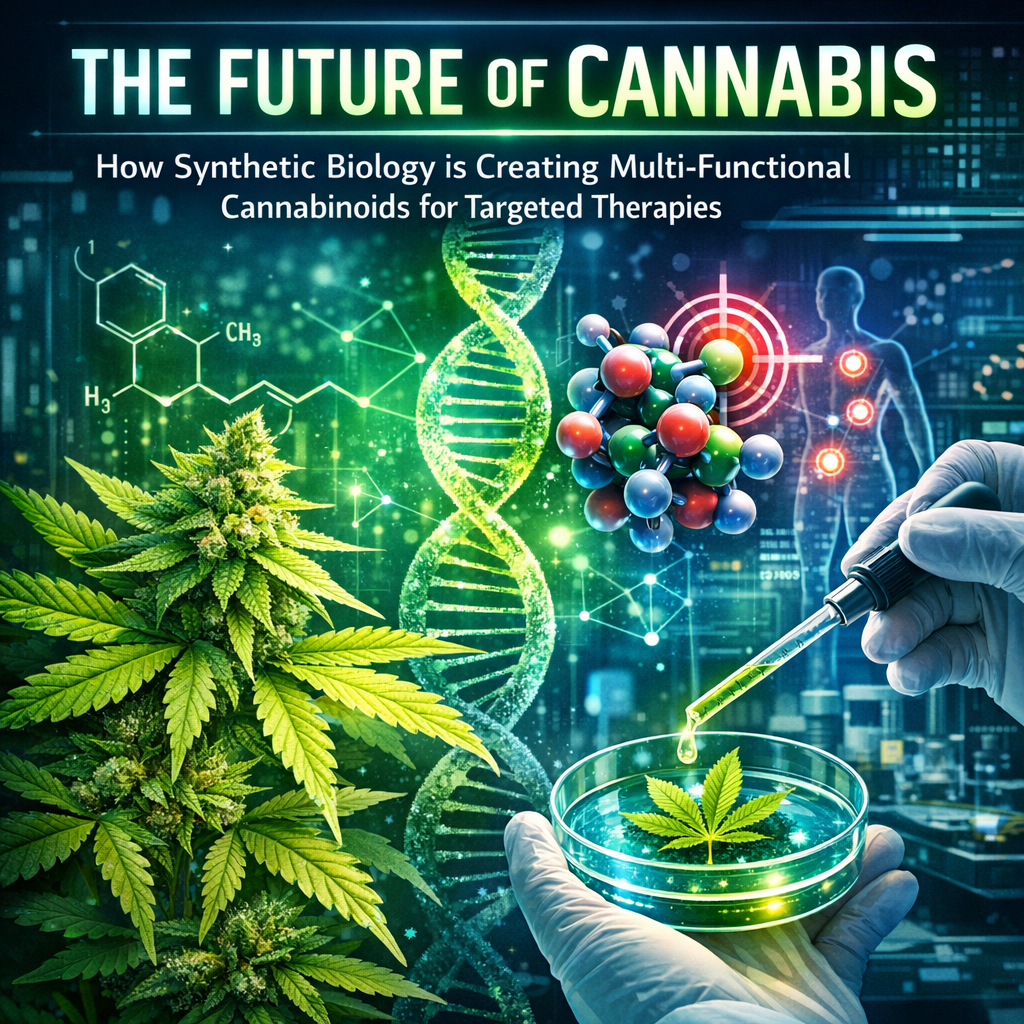
The Future of Cannabis: How Synthetic Biology is Creating Multi-Functional Cannabinoids for Targeted Therapies
Introduction
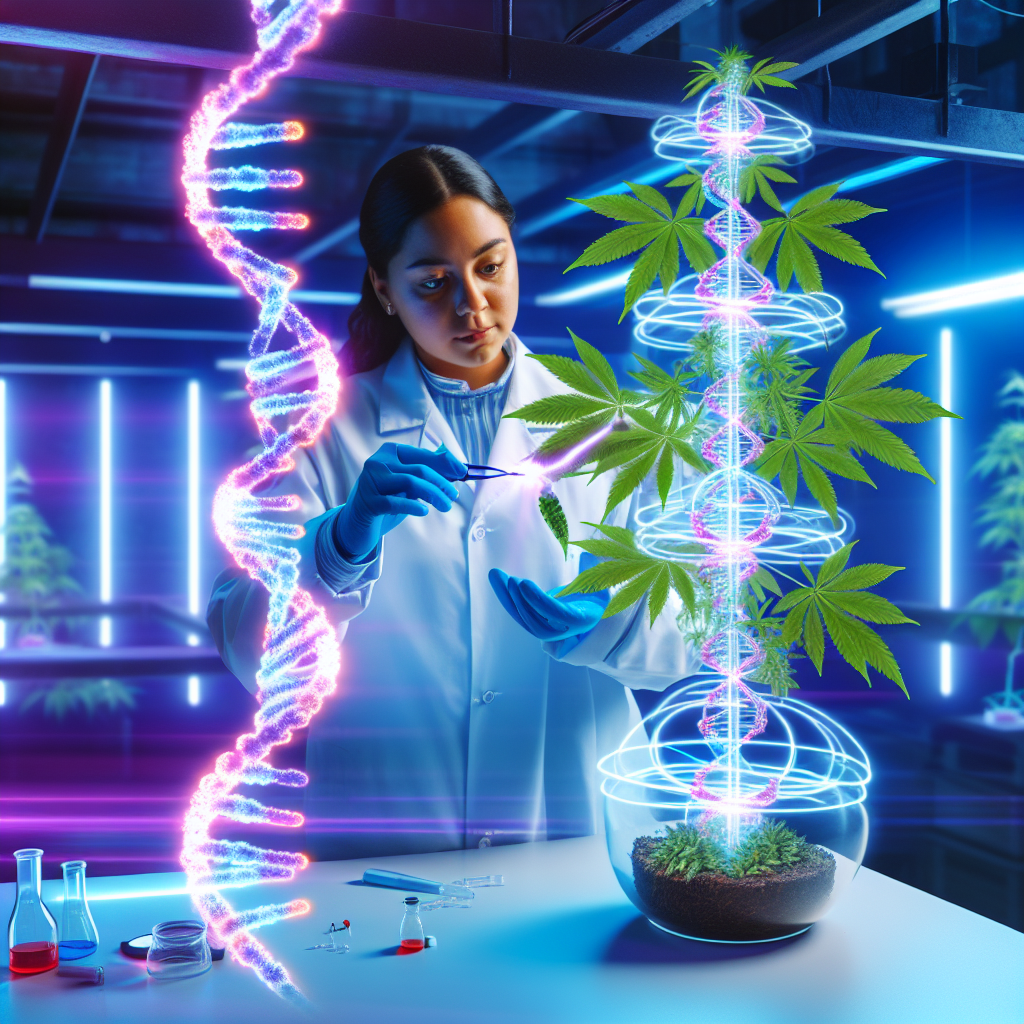
The rapid progression of cannabis research has catapulted the industry into an era of innovation where synthetic biology plays an instrumental role in future developments. As a powerful tool, synthetic biology is redefining the potential of cannabis by creating multi-functional cannabinoids designed for targeted therapies. Unlike traditional breeding methods, which are limited by cannabis’ natural genetic properties, synthetic biology allows for the precise manipulation and design of cannabinoids at a molecular level, leading to novel applications and increased therapeutic efficacy.
Cannabinoids are the active chemical compounds found in cannabis, responsible for a myriad of effects on the human body through interaction with the endocannabinoid system. While THC and CBD remain the most well-known cannabinoids, over a hundred others have been identified with unique profiles and potential benefits. This vast and unexplored diversity presents an open canvas for synthetic biologists to engineer cannabinoids that could address specific medical needs, offering a bespoke approach to therapy previously unattainable with plant-derived formulations.
Recent advancements in synthetic biology—an interdisciplinary domain encompassing biology, engineering, and computational science—are accelerating the development of precision medicine. By applying genetic engineering techniques, scientists can create custom cannabinoids with enhanced properties. These innovations open possibilities for treating conditions such as chronic pain, neurological disorders, and even cancer with unprecedented specificity and reduced side effects compared to conventional cannabis products. Moreover, synthetic approaches enable the consistent and cost-effective production of cannabinoids, bypassing agricultural limitations and enabling large-scale manufacturing capabilities.
As the cannabis industry continues to grow, professionals and consumers alike stand on the brink of a revolution. Synthetic biology extends the horizon of what is achievable in cannabis research, potentially transforming drug development and leading to breakthroughs in healthcare. This article explores the cutting-edge intersection between synthetic biology and cannabis, highlighting recent studies and advances. By examining the trajectory of this emerging field, we gain insight into a future where multi-functional cannabinoids play a pivotal role in promoting health and well-being.
Features
Recent research has cemented synthetic biology’s role in shaping the future of cannabis therapeutics. A notable study published in *Nature* outlines the engineering of yeast to biosynthesize cannabinoids (source). Through genetic modification, researchers introduced genes from cannabis plants into yeast strains, enabling these microorganisms to produce cannabinoids without the need for traditional cultivation. This breakthrough not only allows for the production of rare cannabinoids but also offers a scalable method to generate both existing and newly designed compounds, opening doors to previously inaccessible therapeutic avenues.
One of the most promising aspects of synthetic biology lies in its potential to create cannabinoids tailored for specific medical conditions. A recent investigation, published in *Cell Reports Medicine*, demonstrated the engineering of a cannabinoid that selectively targets the CB2 receptor, which is involved in modulating the immune response ([source](https://www.cell.com/cell-reports-medicine/home)). Targeted activation of CB2 receptors has been shown to attenuate chronic inflammation and autoimmune responses without the psychoactive effects associated with CB1 receptor activation, paving the way for safer anti-inflammatory therapies.
Moreover, synthetic cannabinoids engineered for enhanced stability and efficacy offer robust solutions for cancer treatment. Research indicated in *The Journal of Molecular Biology* highlighted the design of cannabinoids with anti-proliferative properties, inhibiting tumor growth by inducing cancer cell apoptosis ([source](https://www.journals.elsevier.com/journal-of-molecular-biology)). These innovations signify the potential of synthetic cannabinoids as adjuncts or alternatives to standard chemotherapy, reducing harm while enhancing patient outcomes.
Additionally, with the aid of computational modeling and bioinformatics, researchers can predict interactions of engineered cannabinoids with various receptors, expediting the identification of promising therapeutic candidates. By leveraging these technological advancements, synthetic biology not only optimizes cannabinoid efficacy but also ensures their safety, paving a pathway towards regulatory approval and integration into mainstream medicine.
Conclusion
Synthetic biology heralds an exciting future for cannabis, offering transformative impacts on medical therapies through the creation of multi-functional cannabinoids. As research progresses, the synergy between synthetic biology and cannabis has the potential to redefine healthcare, providing targeted, effective treatments with minimized adverse effects. Cannabis professionals and consumers alike stand to benefit from these innovations, which promise a future where cannabinoids are crafted with precision to meet vast and varied therapeutic needs. Embracing this cutting-edge technology today sets the foundation for breakthrough medical solutions in tomorrow’s world.
Concise Summary:
Synthetic biology is revolutionizing cannabis research by enabling the production of bespoke, multi-functional cannabinoids for targeted therapies. With advancements allowing for the genetic engineering of yeast to produce cannabinoids, synthetic biology bypasses traditional cultivation challenges, offering scalable and innovative medical solutions. Such developments target specific medical conditions like chronic inflammation and cancer, enhancing treatment efficacy while reducing side effects. As this field progresses, it promises to reshape healthcare, offering precision medicine through cannabinoids, thereby setting the stage for future breakthroughs in therapeutic treatments.