What Cannabis Could Learn from CRISPR: The Future of Genomic Editing in Cannabinoid Optimization
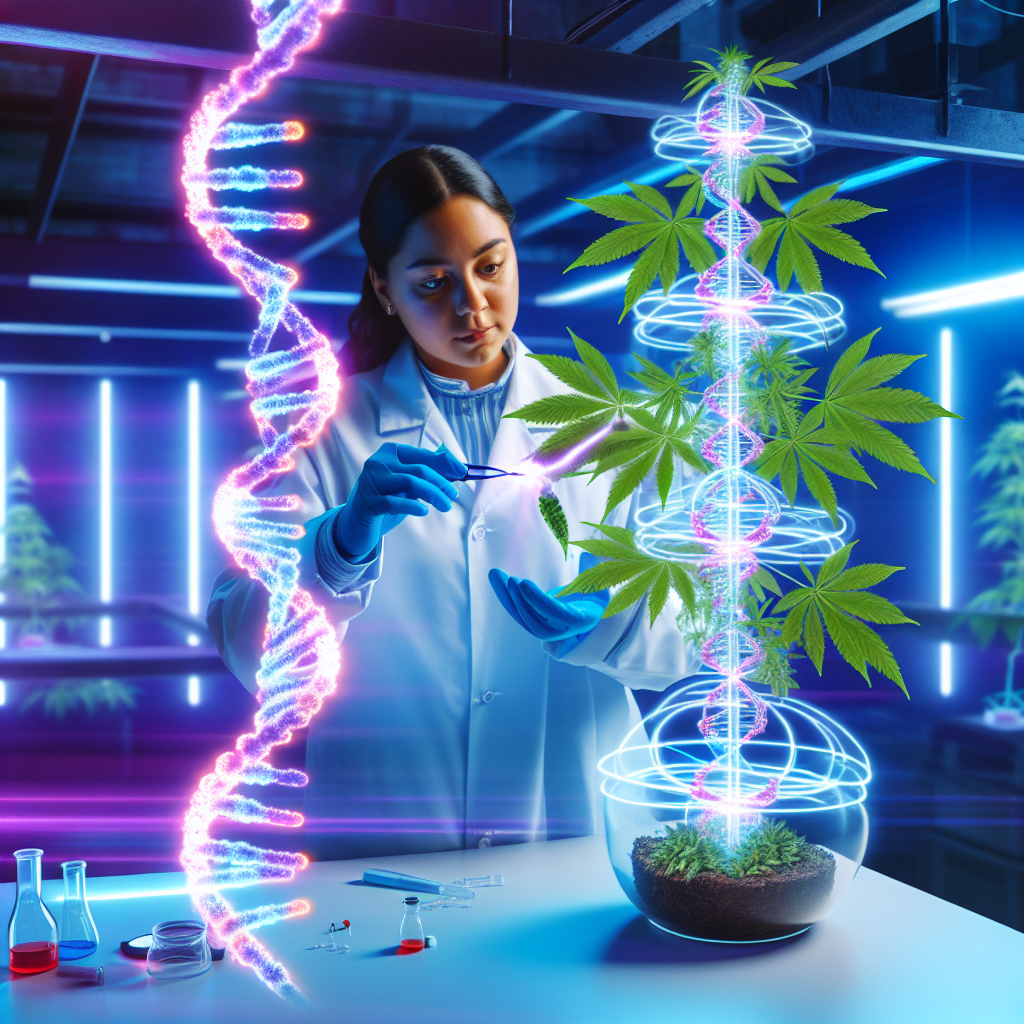
The convergence of biotechnology and cannabis cultivation holds significant promise for elevating the industry to new heights. One of the foremost breakthroughs steering this transformative change is CRISPR, a revolutionary tool in genomic editing. CRISPR, short for Clustered Regularly Interspaced Short Palindromic Repeats, allows scientists to make precise, targeted changes to the DNA of living organisms. This innovative technology is already causing ripples in fields such as medicine and agriculture and now has its sights set on the cannabis industry.
The cannabis plant, with its diverse array of cannabinoids and terpenes, presents a golden opportunity for genetic enhancement. Traditionally, cannabis breeding has relied on time-consuming methods of cross-pollination and selective breeding to produce desired traits. CRISPR presents a more efficient and precise alternative. With the ability to manipulate specific genes, researchers can potentially enhance cannabinoid production, eliminate unwanted traits, and even improve resistance to pests and diseases.
The implications of integrating CRISPR into cannabis cultivation extend beyond just increased yield and potency. By tweaking the genetic makeup, scientists can also tailor cannabinoid profiles to better suit medical applications. For instance, if certain cannabinoids are found to be particularly effective in treating specific ailments, CRISPR can help amplify their presence within the plant. This means more targeted and effective cannabis-derived medications, offering new hope to patients suffering from a myriad of conditions, from epilepsy to chronic pain.
Moreover, CRISPR can pave the way for more environmentally sustainable cultivation practices. By engineering cannabis strains with enhanced resilience to environmental stressors and reduced dependency on pesticides and fertilizers, the ecological footprint of cannabis farming can be significantly reduced. In an era where sustainability is increasingly crucial, this green revolution within the green industry is not just beneficial—it’s necessary.
Features: Professional and Medical Studies
The intersection of CRISPR and cannabis genomics is still in its nascent stages, but early research and pilot projects showcase its groundbreaking potential. One pivotal study conducted at the [University of California, Berkeley](https://www.berkeley.edu), for example, successfully demonstrated the use of CRISPR in manipulating the cannabinoid pathway. The researchers were able to edit the THC synthase gene, which has the potential to lead towards cannabis strains with customized THC or CBD levels to suit various consumer needs.
Additionally, a study from the [University of Queensland](https://www.uq.edu.au) delved into CRISPR’s role in optimizing terpene profiles, the aromatic compounds in cannabis that interact synergistically with cannabinoids. They edited genes responsible for terpene synthesis, paving the way for strains with unique flavor profiles and enhanced therapeutic benefits. This is a significant leap, as it allows for the fine-tuning of cannabis beyond the cannabinoid compounds alone.
On the medical front, CRISPR’s precision editing is being harnessed to amplify the presence of cannabinoids with known therapeutic benefits. For instance, the ability to increase CBD concentration in specific strains could revolutionize treatments for epilepsy and anxiety disorders. Researchers envision a future where they might even uncover new therapeutic cannabinoids by systematically knocking out or enhancing various genes involved in cannabinoid biosynthesis.
Moreover, CRISPR’s application is not limited solely to cannabinoid production. The technology equally holds promise in enhancing disease resistance and growth rates in cannabis plants. A study published in the journal [*Plant Biotechnology*](https://www.springer.com/journal/11240) illustrated how CRISPR can be utilized to boost resistance to common pathogens that affect cannabis crops. This level of control can drastically reduce losses from disease and improve consistency in cultivation.
Conclusion
The integration of CRISPR technology in cannabis cultivation heralds a new era of hyper-focused genetic optimization. As we step into this future, the prospects of achieving unprecedented control over cannabinoid profiles, sustainability, and plant resilience become more tangible. While challenges remain, particularly around public acceptance and regulatory hurdles, the potential benefits offer a compelling vision of where scientific ingenuity can take the cannabis industry. As research progresses, CRISPR may well be the key to unlocking the full therapeutic and economic promises of cannabis.
References
1. [University of California, Berkeley Study](https://www.berkeley.edu)
2. [University of Queensland Research](https://www.uq.edu.au)
3. [Plant Biotechnology Journal](https://www.springer.com/journal/11240)
Concise Summary:
CRISPR technology holds transformative potential for the cannabis industry by allowing precise genetic modifications to enhance cannabinoid production, customize profiles for medical use, and improve environmental resilience. Early studies demonstrate CRISPR’s capability to enhance cannabinoid pathways, optimize terpene profiles, and increase disease resistance, promising a future with more effective cannabis medications and sustainable cultivation. While still in early stages, this convergence of biotechnology and cannabis heralds a future of enhanced therapeutic applications and economic growth, despite regulatory and public acceptance challenges.