Unveiling the Potential of CRISPR in Tailoring Cannabinoid Profiles: Beyond Traditional Cultivation Techniques
Introduction
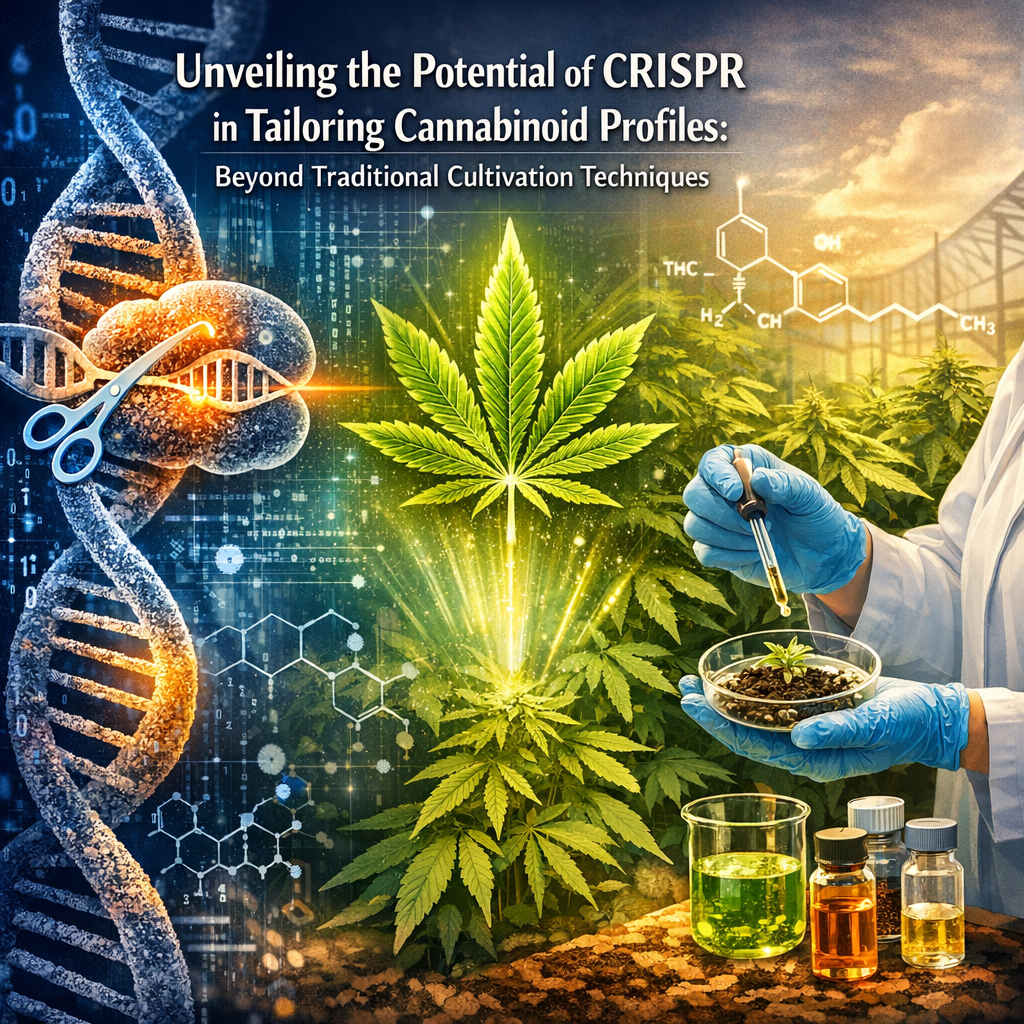
The pursuit of perfection in cannabis cultivation has significantly evolved, transitioning from basic agricultural techniques to high-tech scientific interventions. At the forefront of this transformation is CRISPR-Cas9, a revolutionary gene-editing technology that holds the potential to redefine how we cultivate cannabis. This advancement presents an opportunity to tailor cannabinoid profiles with unparalleled precision and reliability, offering benefits that stretch beyond conventional breeding methods.
Cannabinoids, the chemical compounds in cannabis responsible for its therapeutic and psychoactive effects, have piqued immense interest within the scientific and medical communities. There are over 100 known cannabinoids, with THC and CBD being the most prominent. The therapeutic potential of cannabinoids is vast, with implications for a range of health issues such as chronic pain, epilepsy, and anxiety. However, traditional cultivation methods are often limited by genetic variability and environmental factors, leading to inconsistencies in cannabinoid production.
Enter CRISPR technology. Discovered in the early 21st century, this gene-editing tool brings a new level of precision to genetic modification. By allowing specific genes within the cannabis plant to be directly edited, researchers and cultivators can now aim to enhance or suppress particular traits linked to cannabinoid production. For instance, adjusting the genes responsible for THC production might allow for strains with specified psychoactive profiles suited for medical or recreational use.
Moreover, CRISPR’s potential extends beyond mere cannabinoid levels. It enables the modification of other plant attributes, such as disease resistance, yield optimization, and environmental adaptability. This means that growers could cultivate strains resilient to pests and diseases while optimizing environmental resource use, making cannabis production more sustainable and efficient.
CRISPR offers a groundbreaking shift from the traditional trial-and-error approach in cannabis breeding. It holds the promise of standardized and customizable cannabis, meeting the demands of diverse markets from pharmaceutical applications to recreational products.
Features
The application of CRISPR technology in cannabis research is still in its nascent stages. However, several pioneering studies illuminate the potential and complexities of this technique. One notable study published in the journal [*Frontiers in Plant Science*](https://www.frontiersin.org/journals/plant-science) in 2019 demonstrated the efficacy of CRISPR-Cas9 in editing the genes of the cannabis plant. Researchers successfully targeted specific locations in the cannabis genome, validating that genetic manipulation could lead to desired changes without introducing foreign DNA into the plant.
Another study published in [*Plant Physiology*](https://academic.oup.com/plantphys) explored the genomes of several plant species, including hemp, emphasizing how CRISPR can be employed to modulate pathways that control cannabinoid biosynthesis. By interfering with pathways that control THC synthesis, scientists can potentially create high-CBD, low-THC strains, catering to medical users who seek therapeutic benefits without psychoactive effects.
Additionally, the implications of CRISPR technology extend to agricultural practices. A research article in [*Nature Biotechnology*](https://www.nature.com/nbt/) highlighted how gene editing could bolster disease resistance in plants, reducing the need for chemical pesticides. The potential for developing cannabis strains with built-in resistance to common pathogens and pests helps ensure crop survival and reduces costs for growers.
Despite its promise, the application of CRISPR in cannabis faces several regulatory and ethical considerations. The legality of gene-edited crops varies globally, with some countries expressing hesitation about approving genetically modified organisms. However, the deployment of CRISPR may garner wider acceptance given its precision and the absence of foreign genetic material in the resulting plants.
The scientific exploration into tailored cannabinoid profiles using CRISPR is just beginning, yet it presents a beacon of promise for those in the cannabis industry—offering tools for innovation that can keep pace with changing consumer demands and medical needs.
Conclusion
CRISPR is poised to revolutionize cannabis cultivation by allowing precise manipulation of cannabinoid profiles and other plant characteristics. While it’s still early days for this technology’s integration into cannabis breeding, its potential to produce consistent and customized strains represents a significant leap beyond traditional methods. As research progresses and regulatory frameworks evolve, CRISPR could well become a cornerstone of modern cannabis cultivation, maximizing the plant’s therapeutic potential and bolstering industry growth.
Concise Summary
CRISPR-Cas9 is transforming cannabis cultivation by enabling precise editing of cannabinoid profiles, enhancing traits linked to therapeutic and psychoactive effects. This gene-editing technology surpasses traditional breeding limitations, offering disease resistance and yield optimization. Studies, such as those published in *Frontiers in Plant Science* and *Nature Biotechnology*, demonstrate CRISPR’s ability to boost cannabinoid control and plant resilience. However, regulatory hesitations about gene-edited crops persist. Despite these challenges, CRISPR promises significant advancements in standardizing and customizing cannabis strains, promising innovation in response to shifting consumer needs and medical applications.