Cannabis in Space: Exploring Zero-Gravity Effects on Cultivation and Cannabinoid Profiles
Introduction
The quest to understand the vastness of space has led humans to push the boundaries of what is possible, not just in terms of exploration, but also in the sphere of **agriculture** and **plant cultivation**. As humanity charts a course toward interplanetary travel and colonization, one intriguing subject arises from the cosmic conversation: can **cannabis**, a plant revered for its medicinal and recreational benefits, thrive in space? The question doesn’t just intrigue cannabis enthusiasts but also interests scientists and agricultural experts aiming to enhance farming techniques under unfamiliar conditions.
Cultivating plants in space is not a new concept. NASA has been experimenting with **space farming** for decades, aiming to find sustainable ways to provide food for astronauts on long-duration space missions. These experiments pose profound questions about plant growth in **zero gravity** and the potential impacts on plant biology. Cannabis, with its multi-faceted applications from medicine to industry, becomes a perfect candidate for these experiments.
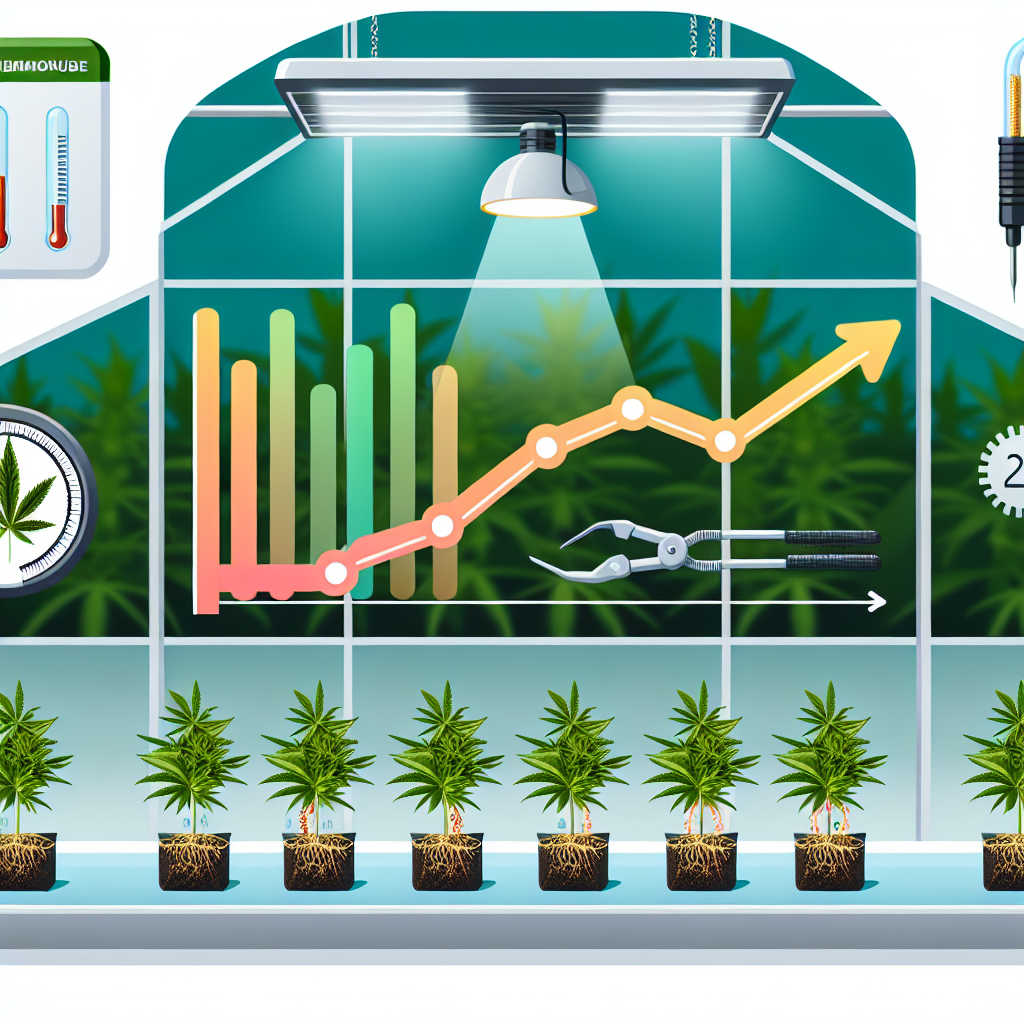
The unique environment of space presents several challenges and opportunities for cannabis cultivation. In **microgravity**, or zero-gravity conditions, plants lack the gravitational cues that guide their growth on Earth. This absence of gravity affects plant processes such as **nutrient uptake**, **water movement**, and **cellular growth**. However, scientists speculate that plants, including cannabis, may adapt to these conditions in surprising ways.
Exploring the effects of zero gravity on cannabis could yield significant insights into its biology, potentially altering its growth patterns, chemical composition, and **cannabinoid** profiles. For instance, changes in environmental stress could lead to the production of different or novel cannabinoids, perhaps enhancing the plant’s **medical efficacy** or developing new **flavors** and **fragrances**.
Both consumers and professionals within the cannabis industry stand to benefit immensely from understanding these changes. By extending the capabilities of cannabis cultivation beyond Earth, we could discover new horizons for this versatile plant, potentially improving its agricultural output and diversifying its uses in ways we have yet to imagine.
Features
Despite being in the nascent stages, the concept of cultivating cannabis in space has already begun garnering scientific attention. One of the first experiments of its kind occurred in 2020 when **Front Range Biosciences** collaborated with **SpaceCells USA Inc.** and **BioServe Space Technologies** to send cannabis cultures to the **International Space Station (ISS)**. Their mission was to study how the plant cells responded to **microgravity** and **radiation** in space over a period of 30 days [source](https://www.cnn.com/2020/01/08/world/space-next-mission-weed/index.html).
The results from these kinds of studies are crucial. They promise to reveal not just how plants can grow in non-terrestrial environments, but also how they might alter their genetic or chemical expression in response to new stimuli. Early reports from space farming experiments with other plants have already shown changes in **gene expression** and **growth dynamics** when cultivated in microgravity. These changes could imply that cannabis, when grown in space, might develop unique cannabinoid profiles or adapt its growth in ways that domesticated earthbound strains cannot.
From a medical perspective, this could open up groundbreaking avenues for **cannabinoid-based therapies**. Specific cannabinoids, altered or enhanced by space conditions, could potentially be tailored for advanced medical treatments. For instance, levels of cannabinoids like **THC** or **CBD** might shift, offering more potent or diversified medicinal properties.
Moreover, by understanding space-induced mutations or stress adaptations, researchers hope to translate these findings back to Earth—a process known as **’astrohorticulture’**. By applying the knowledge gained from space-grown plants, scientists and farmers could develop more resilient cannabis breeds, capable of thriving in harsh terrestrial environments or converting them into innovative breeds packed with novel cannabinoids, boosting both yield and application.
Conclusion
As we strive to make the universe our new frontier, understanding the implications of cultivating cannabis in space could redefine our relationship with this multifaceted plant. The pioneering efforts in this domain not only signify a step forward in agricultural science but also pave the way for a future where space-grown crops are part of our regular dietary and medicinal regimen. For cannabis, the shuttle to the stars could very well uncover possibilities as uncharted as the universe itself, unlocking new potentials and reimagining its place in cosmic agriculture.
**Concise Summary:**
As space exploration advances, cultivating cannabis in zero-gravity environments presents unique challenges and opportunities. This research could lead to novel cannabinoid profiles, potentially enhancing medical applications. Early experiments, such as those on the International Space Station, are crucial for understanding how space conditions affect cannabis growth and chemical expression. Insights gained could lead to more resilient cannabis strains on Earth and innovative cannabinoid-based therapies. As humanity moves towards interplanetary travel and colonization, space-based agricultural research holds the key to sustainable food and medicine production in extraterrestrial environments.