Cannabis Neural Interface: Bridging Brainwaves and Cannabinoid Effects for Next-Level Therapeutics
Introduction
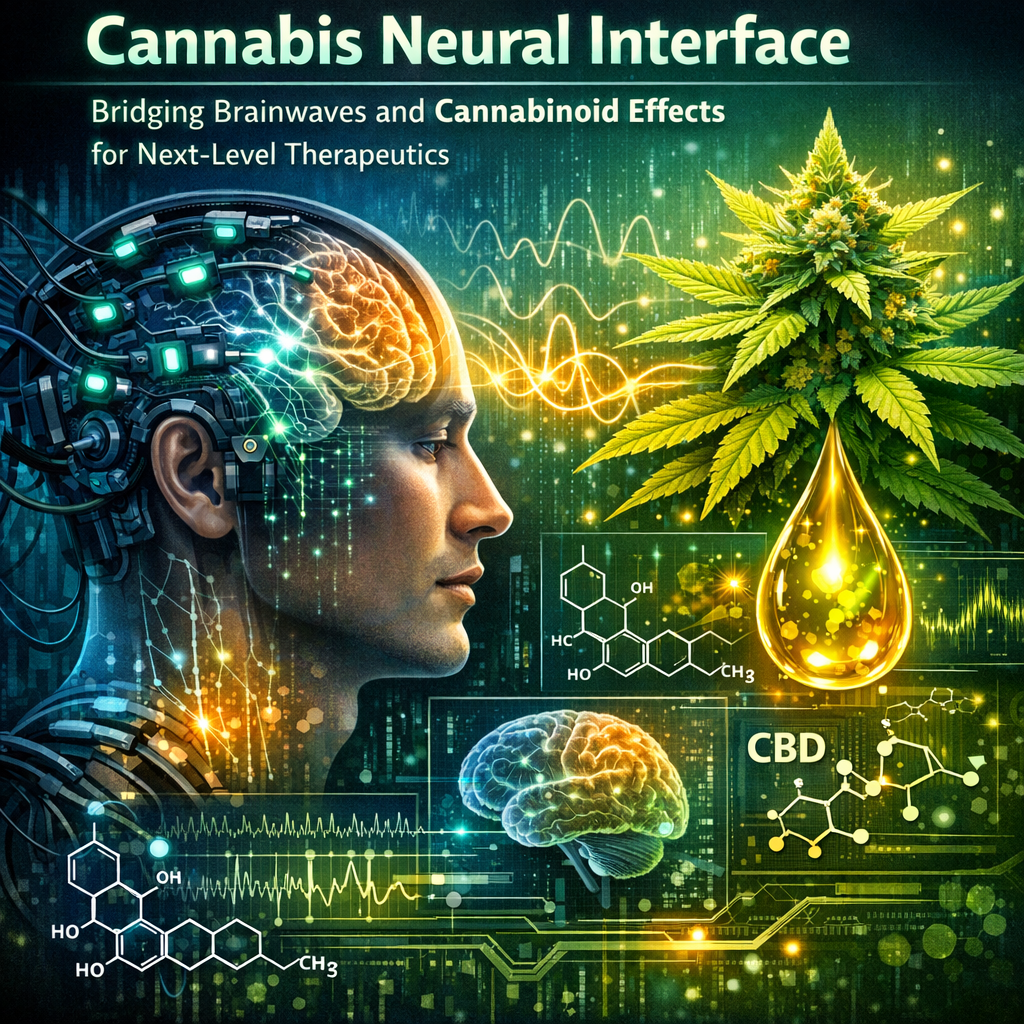
The therapeutic potential of cannabis has long intrigued both the medical community and consumers. As research steadily elucidates how cannabinoids interact with the human endocannabinoid system, we’ve uncovered profound effects on pain relief, inflammation reduction, and mental health improvement. Yet, as fascinating as these discoveries are, they often lead to more questions about optimizing and customizing cannabis therapy. Enter the concept of the Cannabis Neural Interface—a transformative approach merging neurology, biotechnology, and cannabis sciences. This notion revolves around the possibility of creating a direct interface between brainwaves and cannabinoids, allowing for more targeted and effective therapeutic interventions.
Imagine a world where cannabis-based treatments are tailored precisely to individual neural patterns, addressing specific conditions from anxiety to chronic pain with precision unheard of with traditional medicine. Today, the discussion isn’t science fiction but a burgeoning area of study where neuroscience meets cannabis research. Neurons in the human brain communicate through electrical impulses or brainwaves, which dictate everything from our mood to our ability to process information. Recent technological advances enable us to monitor these brainwaves in real-time, offering unprecedented insights into individual-specific patterns.
When we integrate this neural data with cannabinoid science, we open the door to potentially revolutionizing how therapeutic cannabis is administered. The Cannabis Neural Interface concept aims to leverage brainwave data to inform personalized cannabinoid treatments, optimizing dosages and cannabinoid combinations to suit individual neurochemical environments. This personalized approach could significantly enhance the efficacy and safety of cannabis therapies, minimizing side effects and maximizing therapeutic benefits.
Features
Recent studies lay the scientific groundwork for this innovative frontier. One pivotal study from [The University of Chicago](https://news.uchicago.edu) explored how cannabinoids, principally CBD and THC, influence brainwave activity. By administering these compounds and monitoring brain activity through EEG (electroencephalogram) readings, researchers found that THC tends to modulate gamma brainwaves associated with cognitive functions and mental acuity. Meanwhile, CBD appears to have a calming effect on alpha and theta brainwaves, which are linked to relaxation and reduced anxiety.
Such findings are instrumental in understanding how specific cannabinoids could be tailored to address individual needs more precisely. Moreover, research from [Johns Hopkins University](https://hub.jhu.edu) supports this approach. Their studies investigate how biofeedback devices might interface with cannabis to fine-tune anxiety and stress relief treatments. By measuring real-time brainwave disturbances and administering cannabinoids that counteract undesired states, they aim to create a responsive therapeutic system.
In the realm of chronic pain management, Denver’s [Cannabis Research Institute](https://denvercri.com) has conducted promising studies. They’ve monitored brainwave patterns in individuals experiencing neuropathic pain before and after cannabis administration. Initial results indicate that specific cannabinoid blends can normalize brainwave disruptions correlating with pain, suggesting potential pathways for custom-tailored cannabis therapies aimed at pain reduction.
Furthermore, ongoing research in neural interface technologies aims to refine our understanding of brain-cannabinoid interactions. By increasing the accuracy of brainwave measurements and the precision of cannabinoid administration, we edge closer to integrating cannabis therapies into personalized medicine’s broader realm, revolutionizing how conditions like PTSD, epilepsy, and even neurodegenerative diseases are managed.
Conclusion
The Cannabis Neural Interface represents a visionary leap into the future of personalized medicine. As the body of research grows, it supports the tantalizing prospect of tailoring cannabis therapies to individual brainwave signatures, enhancing efficacy and safety profiles. While this integration is still in the early stages, the potential to transform cannabis into a formidable tool in personalized medicine is on the horizon. This journey highlights the fascinating convergence of technology, neuroscience, and cannabis, promising unparalleled therapeutic advancements.
Concise Summary:
The concept of the Cannabis Neural Interface merges neuroscience, biotechnology, and cannabis science, potentially revolutionizing cannabis therapy. By tailoring treatments based on individual brainwave patterns, this interface could optimize cannabinoid dosages and combinations, enhancing treatment efficacy while minimizing side effects. Recent studies from institutions like [The University of Chicago](https://news.uchicago.edu) and [Johns Hopkins University](https://hub.jhu.edu) support this possibility, showing how cannabinoids like CBD and THC influence brainwave activities linked to relaxation and cognitive functions. While still in its early stages, the Cannabis Neural Interface promises significant advancements in personalized medicine.