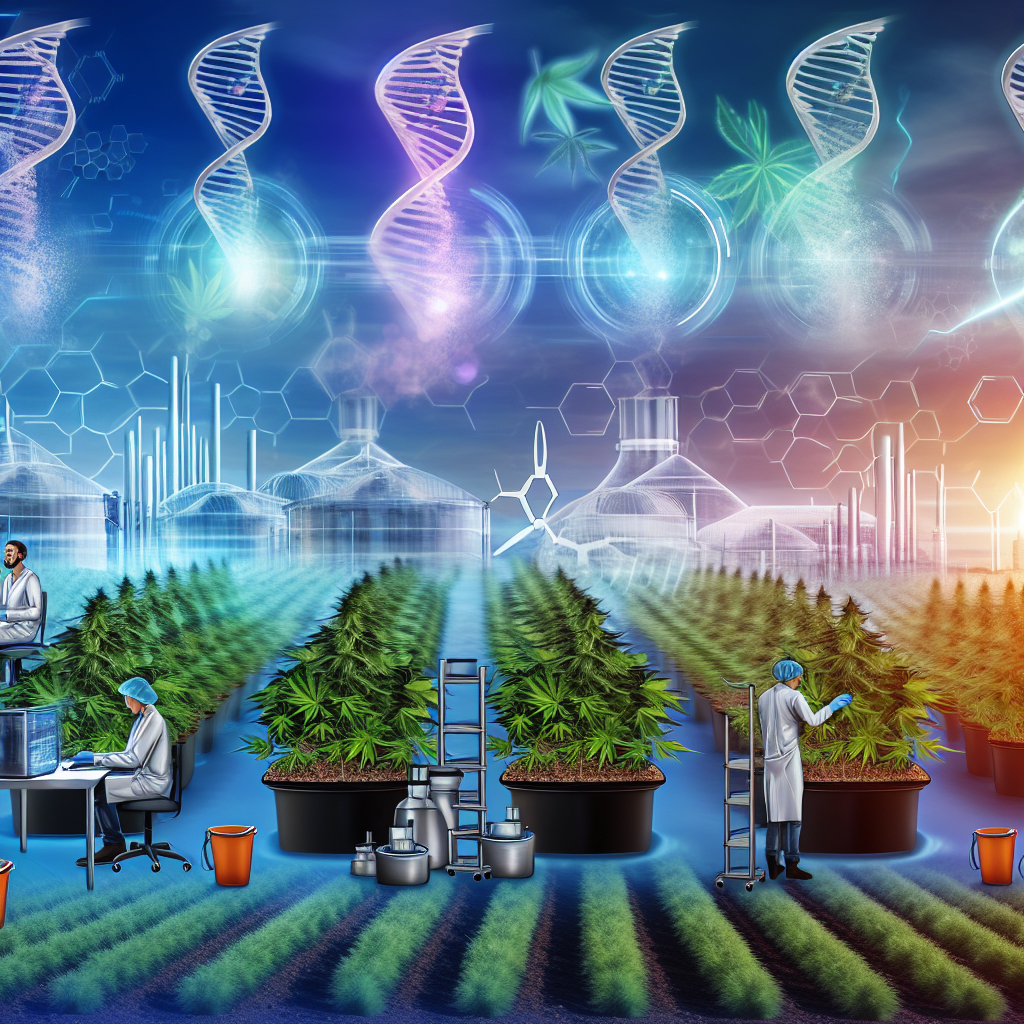
CRISPR vs. RNA Interference: The Battle for Next-Gen Cannabis Genome Editing
In recent years, the cannabis industry has witnessed revolutionary advancements in cultivation methods and product development, largely driven by innovative genomic technologies. Two of the most promising tools reshaping cannabis genomic editing today are CRISPR (Clustered Regularly Interspaced Short Palindromic Repeats) and RNA interference (RNAi). Both offer unique, precise methodologies for modifying gene expression, potentially transforming the efficacy, safety, and yield of cannabis cultivation.
CRISPR technology is celebrated for its precision and efficiency in making targeted changes to the genome. This method uses an RNA-guided enzyme, most often Cas9, to create double-strand breaks at specific genomic locations. The plant’s natural repair processes subsequently introduce insertions or deletions at these sites, allowing precise gene edits. For cannabis growers, this means the possibility of developing strains with enhanced cannabinoid profiles, disease resistance, and environmental adaptability. Theoretically, one could craft a cannabis plant with tailored levels of THC, CBD, and other minor cannabinoids, aligning with consumer demand for alternative therapeutic and recreational options.
On the other hand, RNAi offers a more nuanced approach by silencing specific genes. It operates by degrading mRNA molecules after transcription, effectively reducing protein production without altering the underlying DNA sequence. This reversible method is particularly valuable for cannabis, where temporary modifications might be desirable, such as adjusting the plant’s response to various stressors without committing to permanent genetic changes.
The potential applications of CRISPR and RNAi in cannabis are vast. For instance, these technologies can target and control the expression of genes responsible for undesirable traits like susceptibility to pests and pathogens, optimizing plant health and yield. As consumer demand for distinctive and potent cannabis products grows, leveraging such cutting-edge genome editing techniques can offer a strategic advantage in a highly competitive market.
Features
Significant strides have been made in the application of CRISPR and RNAi across various industries, and cannabis is no exception. Several professional and academic studies highlight the potential and current research in using these technologies for cannabis genome editing.
CRISPR’s application in plant science has been well documented. A study conducted by the [University of Minnesota](https://pubmed.ncbi.nlm.nih.gov/29309037/) demonstrated the use of CRISPR-Cas9 to successfully edit hemp and marijuana genomes, paving the way for enhanced agricultural traits and refined cannabinoid profiles. The same research emphasized the capacity of CRISPR to potentially eradicate undesired genetic expressions linked to adverse agricultural performance.
Moreover, research published in the journal *Plant Biotechnology* explored the use of RNA interference in reducing the THC content in cannabis plants. The study demonstrated the silencing of key enzymes in the THC biosynthesis pathway, achieving low-THC cannabis without modifying the genetic sequence permanently. Find more in the [Plant Biotechnology Journal](https://onlinelibrary.wiley.com/doi/full/10.1111/pbi.12345).
Additionally, a comprehensive review in the *Frontiers in Plant Science* journal highlighted the potential of using RNAi for pest and disease management in cannabis crops. This approach potentially minimizes the need for chemical pesticides, aligning well with organic growing practices and consumer preferences for cleaner, safer cannabis products. Read more in the [Frontiers in Plant Science Review](https://www.frontiersin.org/articles/10.3389/fpls.2020.00700/full).
Each study underscores the technological feasibility and economic potential of employing genome editing techniques like CRISPR and RNAi in cannabis cultivation. As research progresses, the likelihood of integrating these methods into industry standards becomes ever more tangible, offering promising solutions for improved plant traits and diversified product lines.
Conclusion
As the cannabis industry evolves, the integration of cutting-edge genomic editing technologies such as CRISPR and RNAi offers profound benefits. CRISPR provides the ability to make precise, permanent changes in the cannabis genome, while RNAi offers a reversible approach to gene regulation. Both technologies promise not only enhanced productivity and efficiency but also open new horizons for creating strains that meet specific consumer needs. In the battle for next-gen cannabis genome editing, the choice between CRISPR and RNAi will depend on the desired outcomes and ethical considerations, shaping the future of cannabis cultivation and consumption.
Summary: The article explores the advancements of CRISPR and RNA interference (RNAi) in cannabis genome editing. CRISPR offers precise, permanent genetic changes, potentially tailoring plant traits like cannabinoid profiles and disease resistance. RNAi provides a reversible gene-silencing approach, ideal for temporary modifications. Several studies highlight their efficacy, suggesting possibilities like pest management and tailoring THC levels. As these technologies advance, cannabis cultivation could see unprecedented improvements in efficiency and product variety, driven by consumer demands and ethical considerations.