“`html
The Forgotten Brain Pathways Cannabis Activates (That Pharma Hasn’t Touched Yet)
Introduction:
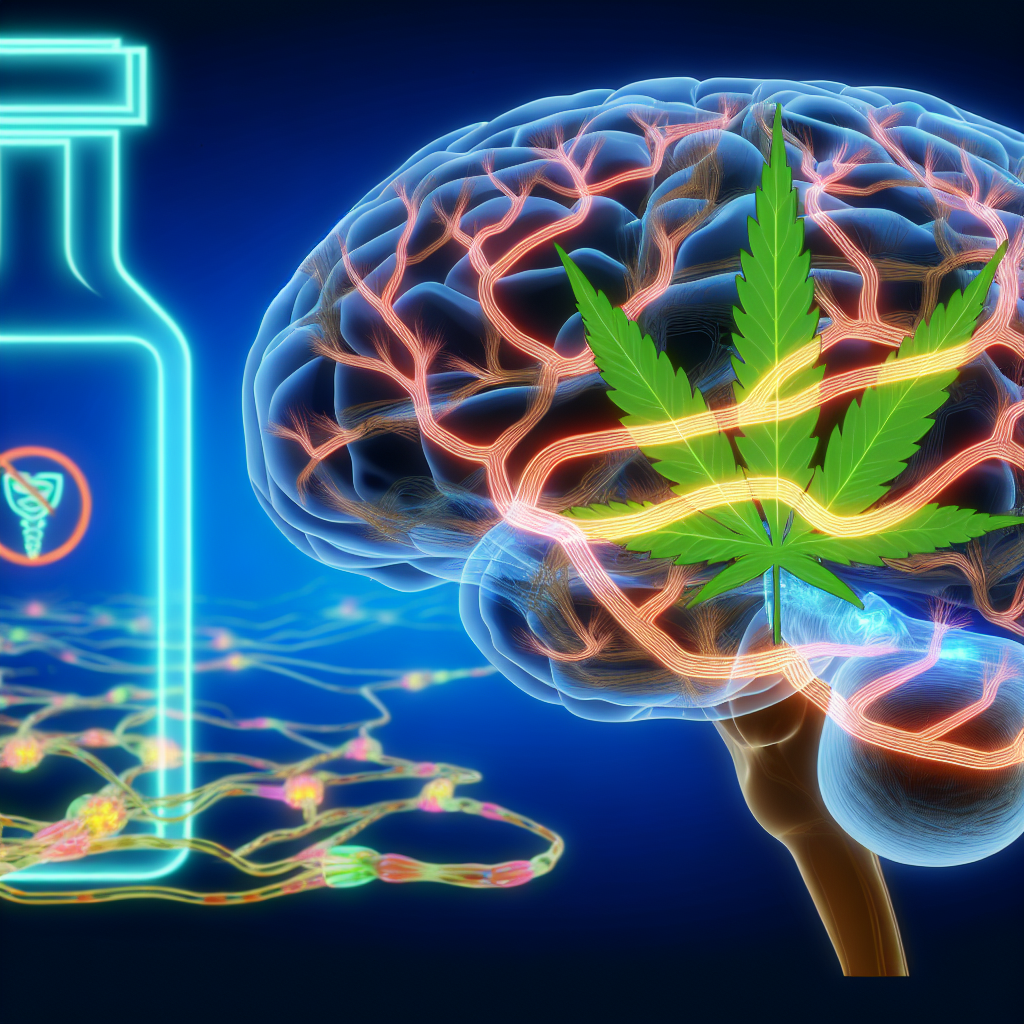
In recent years, cannabis has captivated the world, heralded for its therapeutic potential and recreational appeal. Amidst this fervor, the focus often drifts towards cannabinoids like THC and CBD, alongside their interaction with the well-known endocannabinoid system (ECS). Yet, there are lesser-known aspects of cannabis’s impact on our brain that remain underexplored, particularly the activation of forgotten pathways that pharmaceutical research has not fully seized upon.
While the endocannabinoid system has garnered much attention, cannabis’s influence stretches into neural territories traditionally overlooked by pharmaceutical interventions. These pathways include potential mood regulators, neuroprotective agents, and even novel therapeutic avenues for various neurological conditions. By understanding these pathways, as activated by cannabis, researchers and practitioners stand on the precipice of uncovering new groundwork in neuroscience and pharmacology.
Brain-derived neurotrophic factor (BDNF), the default mode network (DMN), and GABAergic (gamma-aminobutyric acid) pathways are just a few examples of the cerebral sites where cannabis can exert influence beyond traditional pharmaceutical approaches. While these pathways have been largely neglected in clinical drug development, they offer promising potential for unlocking new dimensions in mental health treatments and neuroregenerative therapies.
This burgeoning interest invites both the curious consumer and the savvy marijuana professional to expand their comprehension of cannabis’s distinctive impact on the brain. Exploring the clandestine highways of neural activation, we not only enhance our appreciation of cannabis’s nuanced capabilities but also fuel a dialogue that could lead towards innovative medical breakthroughs. Let us delve deeper into these underappreciated pathways that cannabis intriguingly activates and evaluate what current research reveals about them.
Features:
Cannabis’s interaction with various neural pathways presents an enticing frontier for medical research. A notable example includes its impact on the brain-derived neurotrophic factor (BDNF), which plays a critical role in neuroplasticity—the brain’s ability to reorganize itself by forming new neural connections. Studies have suggested that cannabinoids may upregulate BDNF, thereby potentially facilitating neural growth and offering prospects for conditions such as depression and anxiety. [A study published in the Journal of Psychopharmacology](https://journals.sagepub.com/home/jop) examined the relationship between cannabinoids and BDNF, highlighting the potential for therapeutic application in mood disorders.
Another intriguing pathway influenced by cannabis is the default mode network (DMN). The DMN is a group of brain regions more active during rest and introspective activities, often linked to self-referential thoughts and memory. Cannabis has been observed to alter activity within the DMN, potentially impacting conditions like PTSD and depression. Alterations in DMN connectivity could redefine therapeutic approaches, enabling more personalized strategies for mental health care. [Research published in NeuroImage](https://www.journals.elsevier.com/neuroimage) delves into how cannabis modulates DMN activity, providing insights into its broader implications for cognitive processes and emotional regulation.
The GABAergic system, pivotal in its inhibitory control over neural excitation, is yet another complex network where cannabis showcases interesting effects. By modulating GABA levels, cannabis may attenuate symptoms of epilepsy, anxiety, and other hyperexcitable disorders, offering an alternative to conventional treatments. [A comprehensive review in the journal Epilepsy & Behavior](https://www.journals.elsevier.com/epilepsy-and-behavior) indicates how cannabinoids interact with the GABAergic system, suggesting an underexploited potential that pharmaceutical companies are slowly beginning to acknowledge.
These pathways underscore cannabis’s multifaceted role in neural modulation, straddling domains untouched by typical pharmaceutical interventions. By embracing an integrative approach that synthesizes cutting-edge cannabis research and innovative drug development, we may inch closer towards therapies that transcend the limitations of current treatments.
Conclusion:
While the pharmaceutical industry has barely scratched the surface of cannabis’s full potential, its unexplored activation of forgotten brain pathways presents a fertile ground for innovation. By acknowledging and investing in the comprehensive understanding of these pathways, both consumers and professionals stand to benefit from the vast therapeutic possibilities marijuana has to offer. As the research community delves deeper into these neural networks, the promise of cannabis as a transformative force in medicine grows ever more tangible, inviting us to reimagine the future of mental health and neurotherapeutics.
References:
1. [Journal of Psychopharmacology](https://journals.sagepub.com/home/jop)
2. [NeuroImage](https://www.journals.elsevier.com/neuroimage)
3. [Epilepsy & Behavior](https://www.journals.elsevier.com/epilepsy-and-behavior)
Concise Summary:
The article explores lesser-known brain pathways activated by cannabis, often overlooked by traditional pharmaceutical research. These include the brain-derived neurotrophic factor (BDNF), default mode network (DMN), and GABAergic pathways. By influencing these pathways, cannabis may offer therapeutic potential for neurological conditions like depression, anxiety, and PTSD. The piece calls for integrating cannabis research with innovative drug development to uncover new treatments that surpass current medical limitations, highlighting a transformative opportunity in both mental health and neurotherapeutics.
“`