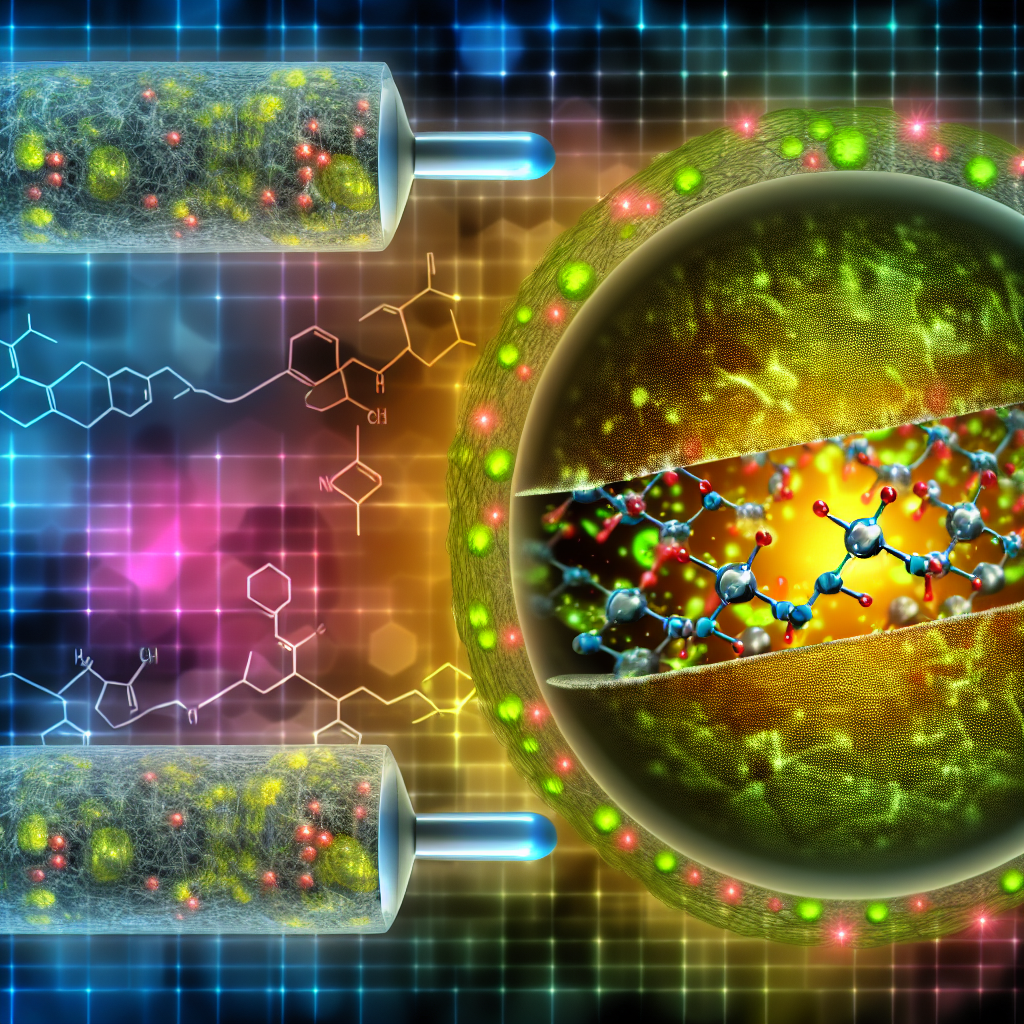
The Future of Cannabinoid Biotechnology: Designing Synthetic Pathways for Enhanced Therapeutics
Topic Introduction
The field of cannabinoid biotechnology is rapidly expanding, offering promising new avenues for the development of next-generation therapeutics. As society increasingly embraces cannabis for its medicinal properties, scientists are delving deeper into the potential of cannabinoids, both in their natural and synthetic forms. This intersection of biotechnology and cannabis science is unlocking a realm of possibilities in crafting cannabinoids with enhanced efficacy, targeted delivery, and improved safety profiles.
Cannabinoids, the active compounds found in cannabis, interact with the body’s endocannabinoid system, impacting a wide array of physiological processes. Traditionally, plant-based cannabinoids like THC and CBD have been the focal point of cannabis research and application. However, the past decade has ushered in an era of synthetic biology, allowing for the bioengineering of cannabinoids that do not naturally occur in the plant. These bespoke cannabinoids hold promise for a range of therapeutic applications, from pain management and neurodegenerative diseases to cancer therapies and mental health disorders.
In recent years, synthetic biology has enabled the creation of novel cannabinoids through engineered microbial pathways. This technology involves reprogramming microorganisms like bacteria or yeast to produce cannabinoids by inserting plant genes into their genomes. This method not only provides a sustainable production alternative but also allows for the refinement of cannabinoid molecules, enhancing their interaction with human biology. By optimizing the structure of these cannabinoids, researchers can potentiate their therapeutic effects and minimize side effects.
The potential benefits of synthetic cannabinoids are vast. By tailoring the molecular structure, scientists can enhance the specificity and efficacy of cannabinoid-based medicines. This opens the door to personalized medicine, where treatments are customized to the genetic and biochemical makeup of individual patients. As research progresses, synthetic cannabinoids could redefine the landscape of medical marijuana, facilitating the development of treatments that surpass the limitations of their plant-derived counterparts. The future of cannabinoid biotechnology promises to revolutionize our understanding and utilization of cannabis for health and wellness.
Features
In the realm of cannabinoid biotechnology, recent studies have highlighted the transformative potential of synthetic pathways for creating enhanced therapeutics. A notable study conducted by scientists at the University of California, Berkeley, successfully engineered yeast to produce cannabinoids that are chemically indistinguishable from those found in the cannabis plant. By altering the biosynthetic pathway of the yeast, researchers demonstrated the feasibility of producing THC and CBD efficiently through microbial fermentation. This landmark study, published in the journal Nature, represents a significant step forward in sustainable and scalable cannabinoid production.
Additionally, the company Demetrix has been at the forefront of employing synthetic biology to create rare cannabinoids in large quantities. Their research highlights the potential of bioengineered cannabinoids to offer enhanced therapeutic benefits compared to their naturally derived counterparts. By focusing on lesser-known cannabinoids such as CBG and CBC, which exhibit unique therapeutic properties, Demetrix is paving the way for new treatments that could transform the management of chronic pain, inflammation, and even epilepsy [Demetrix](https://demetrix.com/).
Moreover, a study published in Frontiers in Pharmacology discusses synthetic cannabinoids’ ability to target specific cannabinoid receptors in the brain and immune system more precisely than traditional cannabinoids. These engineered molecules can provide a controlled, consistent impact, which is crucial in therapeutic applications. This precision could lead to reduced adverse effects and increased therapeutic outcomes, making synthetic cannabinoids an attractive option for researchers and clinicians alike.
The integration of synthetic biology in cannabinoid research has also spurred advancements in personalized medicine. By utilizing genomic data, researchers can customize synthetic cannabinoids to align with an individual’s genetic makeup, optimizing treatment efficacy. This approach, combined with cutting-edge drug delivery technologies, is expected to enhance the pharmacokinetics and bioavailability of cannabinoid-based medications, offering more effective and safer therapeutic options for patients.
Conclusion
The future of cannabinoid biotechnology is promising, offering innovative solutions and enhanced therapeutics tailored to meet diverse patient needs. As research and technology continue to evolve, synthetic cannabinoids stand poised to revolutionize the medical cannabis landscape by providing precise, effective, and sustainable treatments. This rapidly advancing field holds the potential to unlock new avenues within cannabis’s therapeutic spectrum, redefining its role in modern medicine.
Concise Summary
The field of cannabinoid biotechnology is rapidly evolving, with synthetic biology enabling the development of enhanced therapeutic cannabinoids. By engineering microbial pathways, scientists are creating bespoke cannabinoids for various medical applications, offering improved efficacy and safety. Notable advancements include the production of cannabinoids through engineered yeast at UC Berkeley and Demetrix’s large-scale bioengineered cannabinoid production. These innovations promise a shift towards personalized medicine, allowing treatments to be tailored to individual genetic profiles. As research progresses, synthetic cannabinoids could redefine medical cannabis, offering precise, sustainable, and effective therapeutic options.