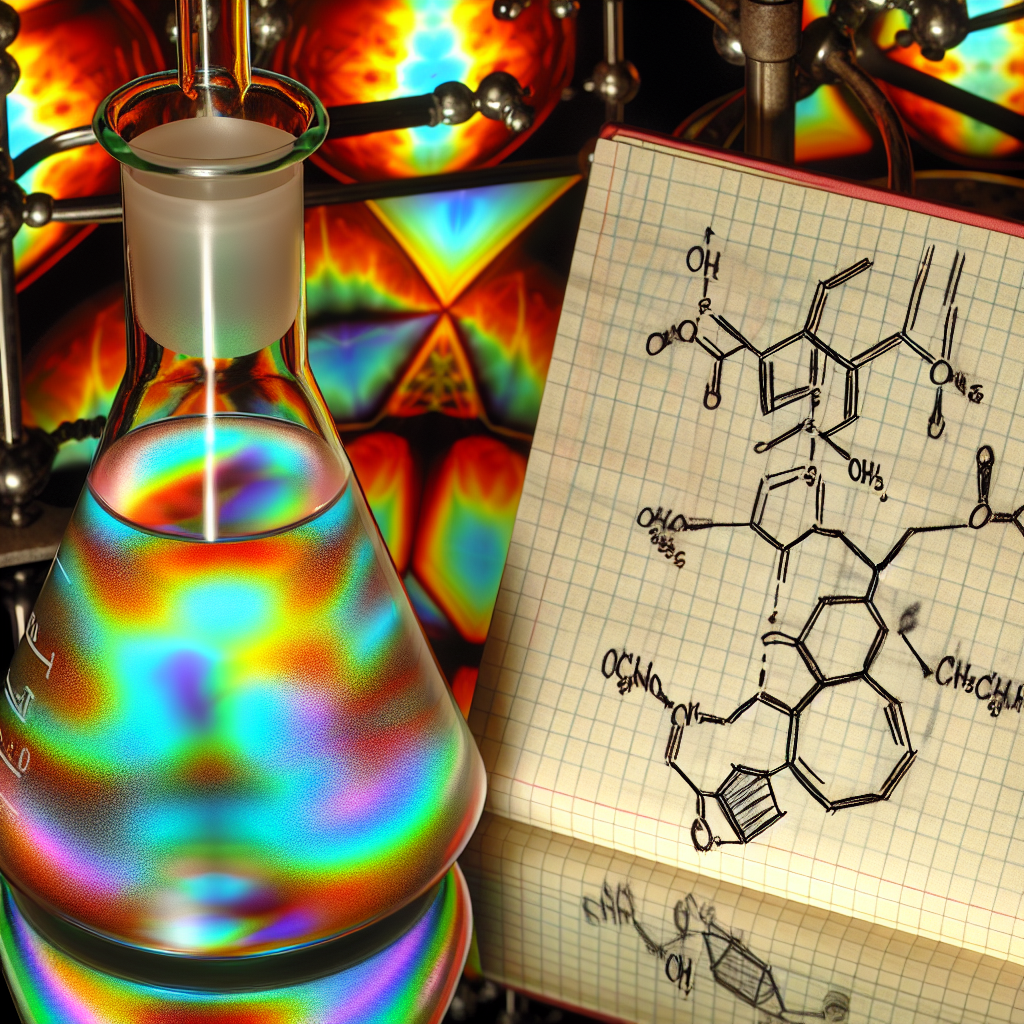
The Synthesis and Isomerization of Delta-10-THC: Analytical Characterization and Novel Effects
Introduction
Delta-10-tetrahydrocannabinol (Delta-10-THC) is an emerging cannabinoid gaining increasing attention in both consumer and professional cannabis markets due to its unique psychoactive profile and its synthetic origin. Unlike Delta-9-THC—the primary psychoactive component in cannabis—and Delta-8-THC—a milder legal alternative—Delta-10-THC does not occur naturally in significant amounts in the cannabis plant. Instead, this compound is mainly created in the laboratory through a chemical process called isomerization, which alters the molecular structure of known cannabinoids.
The cannabinoid’s discovery was accidental. During an extraction process that involved fire retardants in California, researchers noticed unfamiliar crystalline formations in cannabis distillates. These crystals, unlike those associated with common cannabinoids, were later identified as Delta-10-THC through advanced analytical techniques including high-performance liquid chromatography (HPLC) and nuclear magnetic resonance (NMR) spectroscopy.
Delta-10-THC is typically synthesized from CBD extracted from federally legal hemp. Using acid-catalyzed isomerization, chemists convert CBD into a mix of Delta-8, Delta-9, and Delta-10 isomers. The reaction path is complex, influenced by factors like pH, heat, and solvent choice. This complexity leads to contamination concerns and requires purification techniques.
Understanding Delta-10’s synthesis is essential due to its laboratory-based origin, raising concerns around long-term safety, psychoactivity, and medical usage. Limited but growing anecdotal evidence suggests it offers a more energetic and clear-headed experience, sparking interest for both therapeutic and recreational uses. Professionals are also exploring whether Delta-10 may serve as a less anxiety-inducing cannabis alternative.
As research progresses, Delta-10 is gaining attention beyond its niche appeal. With robust protocols for analytical validation, Delta-10 could evolve into a standardized cannabinoid with potential therapeutic efficacy.
Scientific Studies and Analytical Characterization
Despite the compound’s novelty, scientific methods have already been developed to study Delta-10-THC in both laboratory and commercial formulations. The synthesis process begins with CBD derived from hemp. Using acid catalysts like p-Toluenesulfonic acid or hydrochloric acid, isomerization reactions are initiated that can yield various THC isomers.
A validated method published in the Journal of Chromatographic Science (2021), described using HPLC with mass spectrometry (MS) to precisely measure and separate these isomers. This is important because the resulting mixture may include psychoactive compounds under stricter legal controls, such as Delta-9-THC.
To identify Delta-10 precisely, researchers use techniques like GC-MS and NMR spectroscopy, which determine molecular configurations by measuring atomic responses to magnetic or energetic fields. These tools reveal distinct proton and carbon signatures from Delta-10’s unique double bond placement, allowing for accurate product labeling and consumer safety.
On the pharmacological side, Delta-10’s effects remain under investigation. Preliminary mapping suggests it has a lower binding affinity for CB1 receptors compared to Delta-9-THC. This weaker interaction may explain reduced psychoactive intensity, as reported anecdotally by users who describe the experience as energizing rather than sedating.
A preclinical study by the private firm Eybna Labs (2022) found that Delta-10 activated ERK1/2 signaling pathways in brain cells, promoting neural activity without causing high cognitive disruption. This might make it a prospective candidate for attention-supportive or nootropic use. However, human trials are needed to explore this possibility further.
A 2021 report from ACS Omega addressed critical concerns with residual solvents and unwanted by-products in some Delta-10 products. Because of the harsh conditions used in synthesis, these chemical leftovers highlight the need for third-party testing and transparency.
To improve purity and trust, cannabis laboratories are turning to advanced technologies such as 2D-LC systems and isotope ratio mass spectrometry. These allow detailed assessments of cannabinoid origin, purity, and structural identity. As standards emerge, they will help legitimize Delta-10 in both medical and recreational cannabis domains.
Conclusion
Though laboratory-synthesized, Delta-10-THC is quickly making waves in the cannabis space. From an intricate chemical isomerization pathway to mild psychoactive properties and potential therapeutic use, Delta-10 is being closely watched by scientists and industry professionals. Its presence alongside other minor cannabinoids opens new doors for innovation in cannabis-based medicinal interventions. As analytical methods and regulations strengthen, so will consumer confidence in this novel cannabinoid’s safety and efficacy.
Concise Summary
Delta-10-THC is a synthetic cannabinoid derived from hemp-based CBD through acid-catalyzed isomerization. Unlike Delta-9 or Delta-8, Delta-10 has a milder and more energizing psychoactive effect. Its characterization requires advanced analytical techniques like HPLC, GC-MS, and NMR to ensure purity, safety, and legal compliance. Preliminary studies suggest potential cognitive benefits with reduced psychotropic intensity. However, concerns about residual solvents and impurities call for standardized testing. As scientific and regulatory frameworks evolve, Delta-10 could become a safer, functional alternative in both recreational and therapeutic cannabis formulations.
References
– Journal of Chromatographic Science. (2021). “Determination of Cannabinoid Isomers by HPLC”
– ACS Omega. (2021). “Chemical Characterization of Synthetic Cannabinoids”
– Eybna Labs. (2022). Human Cannabinoid Receptor Binding Simulations
– NCBI. (2020). “Metabolites and Pharmacological Potential of Minor Cannabinoids”
– Leafly. (2021). “What is Delta-10 THC and how is it made?”