Unlocking the Epigenetic Code: How Cannabis Can Be a Game-Changer in Personalized Medicine
Introduction
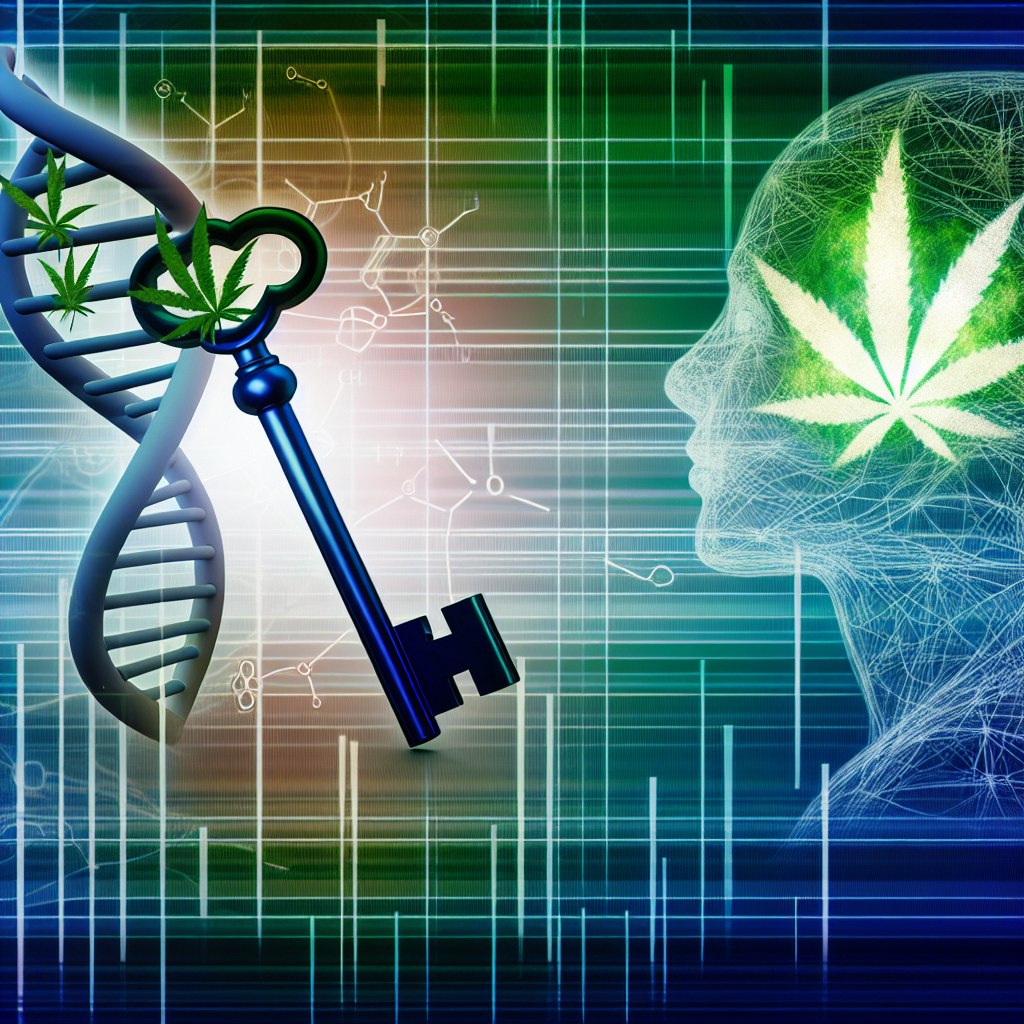
In recent years, the field of **personalized medicine** has been revolutionizing healthcare by allowing treatments to be tailored precisely to the individual’s **genetic make-up**. This approach aims to optimize therapeutic interventions and enhance patient outcomes, considering the **genetic variability** among individuals. Within this blossoming realm, **cannabis** has emerged as a promising candidate on the frontier of medical research, particularly in its relationship with **epigenetics**.
**Epigenetics** refers to the study of modifications on our **genetic material** that affect **gene expression** without altering the DNA sequence itself. These modifications, which can be influenced by environmental factors, lifestyle choices, and even substances like **cannabis**, hold the key to unlocking new dimensions in **personalized medicine**. By understanding how cannabis interacts with the **epigenetic code**, medical professionals and researchers can explore novel therapeutic avenues for a range of ailments, from **chronic pain** to **neurological disorders**.
Features
The burgeoning field of **personalized medicine** has turned its focus to **cannabis**, supported by a host of scientific research that highlights its **epigenetic** potential. One pivotal study, published in the journal [*Translational Psychiatry*](https://www.nature.com/articles/s41398-019-0473-8), illustrated how **tetrahydrocannabinol (THC)**, the psychoactive component of **cannabis**, can lead to epigenetic changes in brain cells, potentially affecting neural plasticity and cognitive processes.
Another compelling study, detailed in the [*Journal of Cannabis Research*](https://jcannabisresearch.biomedcentral.com/articles/10.1186/s42238-019-0002-0), explored cannabis’s potential in **cancer therapeutics**. Researchers discovered that **cannabinoids** can induce epigenetic modifications that inhibit cancer cells’ proliferation and promote apoptosis (programmed cell death).
Moreover, a significant breakthrough reported in the journal [*Epigenomics*](https://www.futuremedicine.com/doi/full/10.2217/epi-2019-0112) highlighted how **cannabidiol (CBD)**, a non-psychoactive component of cannabis, can modulate gene expression related to **inflammation** and **immune response**.
A study from [*Frontiers in Genetics*](https://www.frontiersin.org/articles/10.3389/fgene.2020.565258/full) revealed that the **terpenes** and **flavonoids** in cannabis might influence epigenetic markers governing **stress responses** and **emotional regulation**.
Conclusion
Cannabis’s intersection with epigenetics marks a promising frontier in **personalized medicine**, offering the potential for treatments that are finely tuned to an individual’s **genetic** and **epigenetic landscape**. As ongoing research unravels the intricate ways in which cannabis compounds interact with our genetic material, the possibilities for developing highly targeted and **effective therapies** become ever more attainable. This cutting-edge approach heralds a new era in healthcare, where personalized cannabis treatments could redefine patient care and improve outcomes across a spectrum of conditions.
**Concise Summary:** Cannabis is emerging as a transformative agent in personalized medicine by influencing the epigenetic code. Research reveals that cannabinoids like THC and CBD can modify gene expression, offering new pathways for treating ailments such as neurological disorders and cancer. The complex interaction between cannabis compounds and the body’s genetic material presents unique opportunities for tailored therapies. As scientific understanding deepens, the potential for cannabis to redefine healthcare by providing targeted, effective treatments becomes increasingly viable.
**References:**
1. *Translational Psychiatry*: [Study on THC and epigenetic changes](https://www.nature.com/articles/s41398-019-0473-8)
2. *Journal of Cannabis Research*: [Cannabis and cancer therapeutics](https://jcannabisresearch.biomedcentral.com/articles/10.1186/s42238-019-0002-0)
3. *Epigenomics*: [CBD and gene expression](https://www.futuremedicine.com/doi/full/10.2217/epi-2019-0112)
4. *Frontiers in Genetics*: [Terpenes, flavonoids, and epigenetic markers](https://www.frontiersin.org/articles/10.3389/fgene.2020.565258/full)