The Hidden Language of Cannabinoids: What Your Extraction Profile Isn’t Telling You
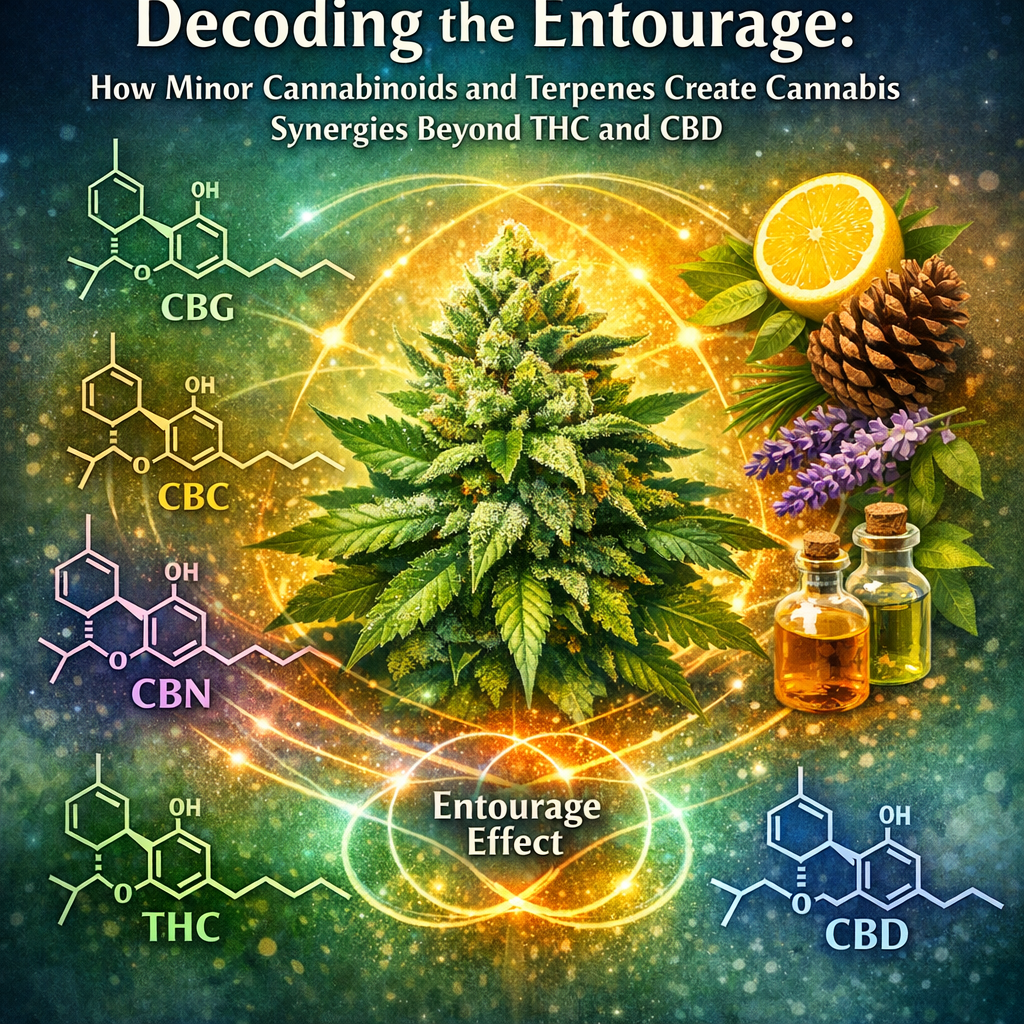
In the rapidly evolving world of cannabis, understanding the intricate language of cannabinoids is crucial for both consumers and professionals. Cannabinoids are the active compounds found in cannabis that interact with the body’s endocannabinoid system, influencing everything from mood to pain perception. While THC and CBD are the most well-known, the cannabis plant contains over 100 different cannabinoids. Each possesses unique properties and potential therapeutic benefits. However, the real mystery lies not just in the individual cannabinoids but in how they interact with one another, creating what’s known as the entourage effect.
The role of extraction in shaping cannabinoid profiles:
The extraction process plays a significant role in shaping a product’s cannabinoid profile. Typically, extraction aims to isolate specific cannabinoids, like CBD or THC, but a full-spectrum extraction includes the entire array of compounds in the plant, potentially offering a more comprehensive therapeutic effect. Yet, what the extraction profile doesn’t reveal is the symphony of interactions happening between these cannabinoids and other plant compounds like terpenes and flavonoids. It’s this unseen dance that could be unlocking new possibilities in cannabis therapy and consumption.
Understanding these interactions requires a closer examination of how cannabinoids bind with receptors in the brain and body. For instance, the presence of one cannabinoid can enhance or inhibit the effects of another. THC is known for its psychoactive effects, but when accompanied by CBD, it might produce a more balanced experience, often reducing anxiety or paranoia that might otherwise be prevalent with THC alone. This balance can be crucial for consumers seeking specific therapeutic benefits without unwanted side effects.
As research expands, significant attention is being directed towards minor cannabinoids, currently overshadowed by the focus on THC and CBD. These minor cannabinoids and their intricate collaborations with terpenes are opening new avenues for research and product development, introducing innovative solutions in cannabis therapy.
The Importance of Research
Recent professional and medical studies highlight the importance of exploring the complete cannabinoid profile beyond basic extraction metrics. A [2020 study published in *Frontiers in Pharmacology*](https://www.frontiersin.org/articles/10.3389/fphar.2020.00890/full) found that cannabis extracts with a diverse cannabinoid and terpene profile showed enhanced anti-inflammatory effects compared to isolated THC or CBD alone. This supports the theory of the entourage effect, where the whole plant extract offers a synergistic advantage.
Another significant [study published in 2019 in the *Journal of Cannabis Research*](https://jcannabisresearch.biomedcentral.com/articles/10.1186/s42238-019-0009-2) analyzed full-spectrum extracts and their roles in managing chronic pain. The research concluded that products with a broader cannabinoid profile could potentially offer better pain relief and fewer side effects than those focusing on isolated compounds.
Further, a [2021 survey featured in the *Journal of Clinical Psychopharmacology*](https://journals.lww.com/psychopharmacology/Fulltext/2021/24000/The_Effects_of_CBD_Oil_on_Anxiety_and_Insomnia.15.aspx) indicated that patients using full-spectrum CBD oils for anxiety reported more significant improvements than those using pure CBD isolates. This emphasizes the importance of minor cannabinoids and terpenes that are often present in full-spectrum products but not in isolates.
These studies reveal that while the industry has predominantly focused on major cannabinoids like THC and CBD, there’s untapped potential in exploring minor cannabinoids and their interactions. This nuanced understanding challenges professionals to innovate in extraction methods and product formulation, paving the way for more personalized and effective cannabis-based therapies. The research encourages cannabis industry players to delve into the “hidden language” of cannabinoids to uncover therapeutic narratives not visible on a standard extraction report.
Conclusion
In conclusion, the extraction profile of cannabis products only scratches the surface of the rich, complex interactions occurring within the plant. To fully harness the therapeutic potential of cannabis, consumers and professionals must move beyond basic cannabinoid metrics and explore the intricate dance of cannabinoids, terpenes, and other compounds. This deeper understanding could lead to a new era of cannabis products, offering specialized and more effective therapeutic benefits tailored to individual needs. As our knowledge grows, so too will the possibilities within this remarkable plant.
Concise Summary:
The complex interactions of cannabinoids in cannabis go beyond simple THC and CBD counts, involving a multitude of other compounds like terpenes and flavonoids. This interaction, known as the entourage effect, suggests that full-spectrum extracts might provide enhanced therapeutic benefits. Studies have shown that diverse cannabinoid profiles can offer superior anti-inflammatory and pain relief effects. As the cannabis industry evolves, understanding these interactions is essential for developing more effective, targeted therapies, emphasizing the importance of exploring beyond basic extraction metrics.