Why We’re Still Measuring THC Like It’s 1999: Toward a New Standard for Cannabinoid Potency
Introduction
As most cannabis enthusiasts and professionals are aware, the cannabis landscape has evolved drastically over the past few decades. We’ve moved beyond solely focusing on the psychoactive effects of delta-9-tetrahydrocannabinol (THC) — one of many cannabinoids present in the cannabis plant — toward understanding a full spectrum of cannabinoids and their potential therapeutic benefits. Yet, perplexingly, the measurement of cannabis potency remains primarily THC-centric, harking back to an era when THC was the lone celebrity cannabinoid on the block. Much like the metric system revolutionized measurement globally, our cannabinoid potency measurement needs a similar overhaul, one that corresponds to present and future cannabis scientific explorations.
Historically, THC levels have been the primary determinant of cannabis quality and strength. In the 1990s, when cannabis research was still budding, the spotlight on THC was understandable — researchers were keenly interested in the compound responsible for the plant’s euphoric effects. However, our current understanding of cannabis chemistry extends well beyond THC. We now know about the intricate interplay of numerous cannabinoids, each contributing to the overall cannabis experience and therapeutic effects. Cannabidiol (CBD), for instance, has gained notable prominence for its potential to alleviate conditions such as anxiety, without inducing a high. Similarly, terpenes, the aromatic oils that color cannabis varieties with distinctive flavors, may also play a significant role in the entourage effect — a proposed mechanism where the plant’s myriad compounds work synergistically.
Persisting in traditional THC-focused potency testing is not only outdated but may also be misleading. It negates the extensive therapeutic potential showcased by other cannabinoids, thereby not providing a comprehensive view of the cannabis product in question. As our understanding of the complexities of cannabis improves, there is a pressing need to develop a more holistic approach for evaluating cannabinoid potency, one that recognizes the significance of the plant’s diverse chemical profile and tailors assessments to consumer needs and health outcomes.
Features
Recent scientific investigations have underscored the importance of moving beyond THC to create a new standard for cannabinoid potency. For instance, a study published in the [Journal of Pain](https://journals.lww.com/pain/Abstract/2020/07000/) (2020) highlights the therapeutic interplay between THC and CBD. This study demonstrated that a combination of THC and CBD could lead to more effective pain relief for chronic conditions compared to THC alone, due to the modulatory effects CBD has on THC’s psychoactive properties. Solely measuring THC content can miss critical information pivotal for effective therapeutic use and understanding individual variances in response to cannabis.
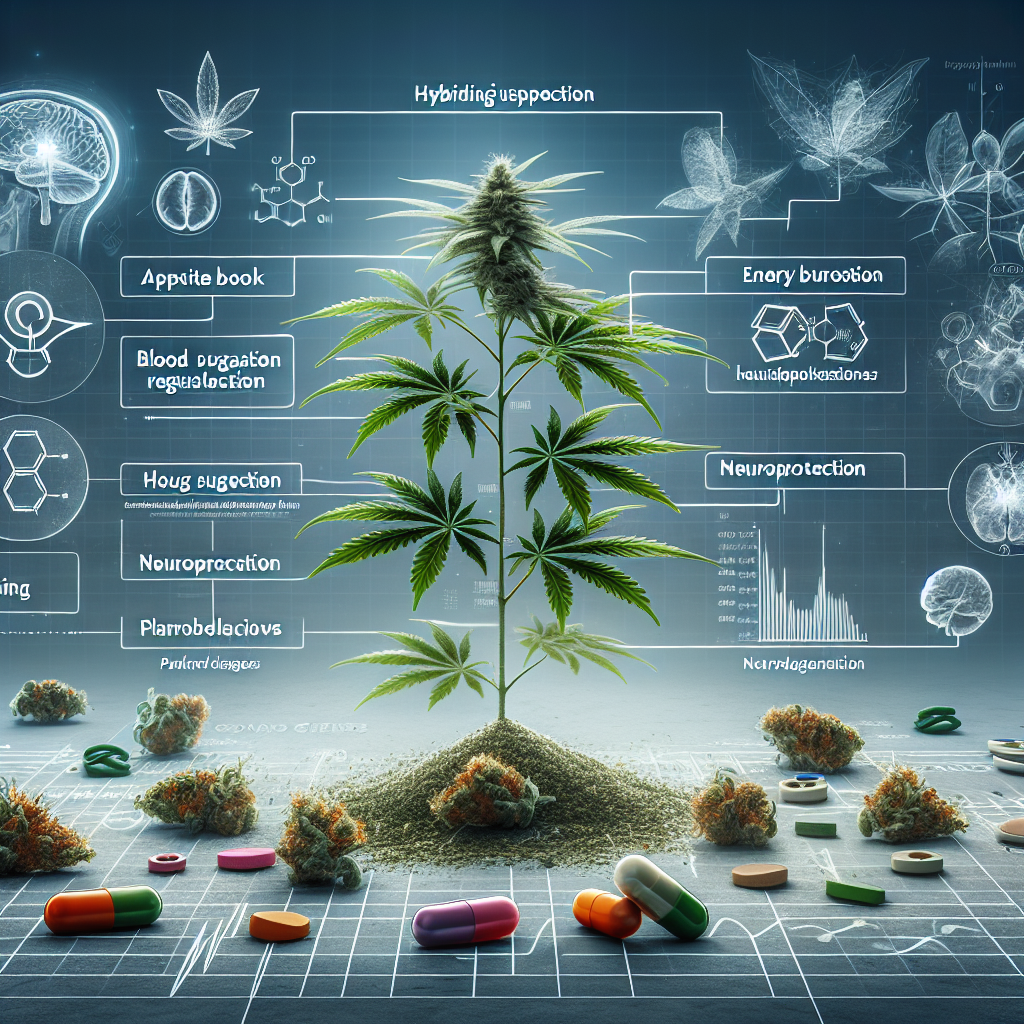
Additionally, research featured in [Frontiers in Plant Science](https://www.frontiersin.org/journals/plant-science) (2021) showcased how the identification and quantification of lesser-known cannabinoids such as cannabigerol (CBG), cannabinol (CBN), and tetrahydrocannabivarin (THCV) can better inform users about the nuanced effects of different strains. CBG, known for its antibacterial properties, has shown promise in reducing inflammation. Meanwhile, THCV has been studied for its potential in appetite suppression and diabetes management. Accurate measurement and inclusion of these cannabinoids in potency profiling could better equip health professionals and consumers in their decision-making processes regarding cannabis selection and usage.
Moreover, terpenes and flavonoids present in cannabis are gaining recognition for their pharmacological potential. For instance, a compelling paper by Russo in the [British Journal of Pharmacology](https://bpspubs.onlinelibrary.wiley.com/doi/full/10.1111/j.1476-5381.2011.01238.x) (2011) postulated that terpenes might enhance the therapeutic effects of cannabinoids, a notion increasingly supported by anecdotal and clinical evidence. Adopting a comprehensive measurement standard that includes these components could revolutionize not just consumer products but also pave the way for pharmaceutical developments.
The move towards a more inclusive cannabinoid profiling is also driven by legal regulations emerging in cannabis-friendly jurisdictions. As exemplified by the Canadian government’s regulations under the Cannabis Act, which require licensed producers to provide cannabinoid content and strain information, there is an evident shift toward more transparent, consumer-informed practices within the industry. This approach not only benefits consumers by providing them with more comprehensive information but also aids researchers in further untangling the diverse therapeutic potential embedded within the cannabis plant.
Conclusion
Our understanding of cannabis has dramatically evolved since the days when THC was the main concern. With ongoing research shedding light on the complexities of cannabinoids, terpenes, and their interactions, a paradigm shift in measuring cannabinoid potency is warranted. By moving towards an inclusive measurement system, we can better harness the full spectrum of therapeutic potential that cannabis offers, ultimately benefiting both consumers and professionals in the medically-adjacent and recreational cannabis spaces. Embracing a new standard is not just a nod to progress; it’s essential for a more sophisticated, personalized future of cannabis use.
Concise Summary
Cannabis potency measurement predominantly focuses on THC, yet modern understanding reveals the complex interplay of numerous cannabinoids and terpenes. Recent studies emphasize the therapeutic synergy between THC and CBD, and the importance of profiling lesser-known cannabinoids like CBG, CBN, and THCV. This outdated THC-centric approach overlooks potential therapeutic benefits. Regulatory shifts like Canada’s Cannabis Act highlight a move toward comprehensive consumer information. Updating potency standards to include all cannabinoids and terpenes will enhance understanding and product development, benefiting consumers and professionals across medical and recreational cannabis sectors.