Why Your Terpene System is the Real API of Cannabis: A Developer’s Guide to Formulation Layers
As **cannabis** gains global prominence, both professionals and consumers are uncovering the science behind this plant’s myriad applications. While **cannabinoids** like **THC** and **CBD** dominate discussions, **terpenes** are also vital. These aromatic compounds shape the plant’s **scent** and its effects on the human body. In the digital realm, an **API** (Application Programming Interface) enables the creation of software, akin to how terpenes modulate and customize the **cannabis** user’s experience.
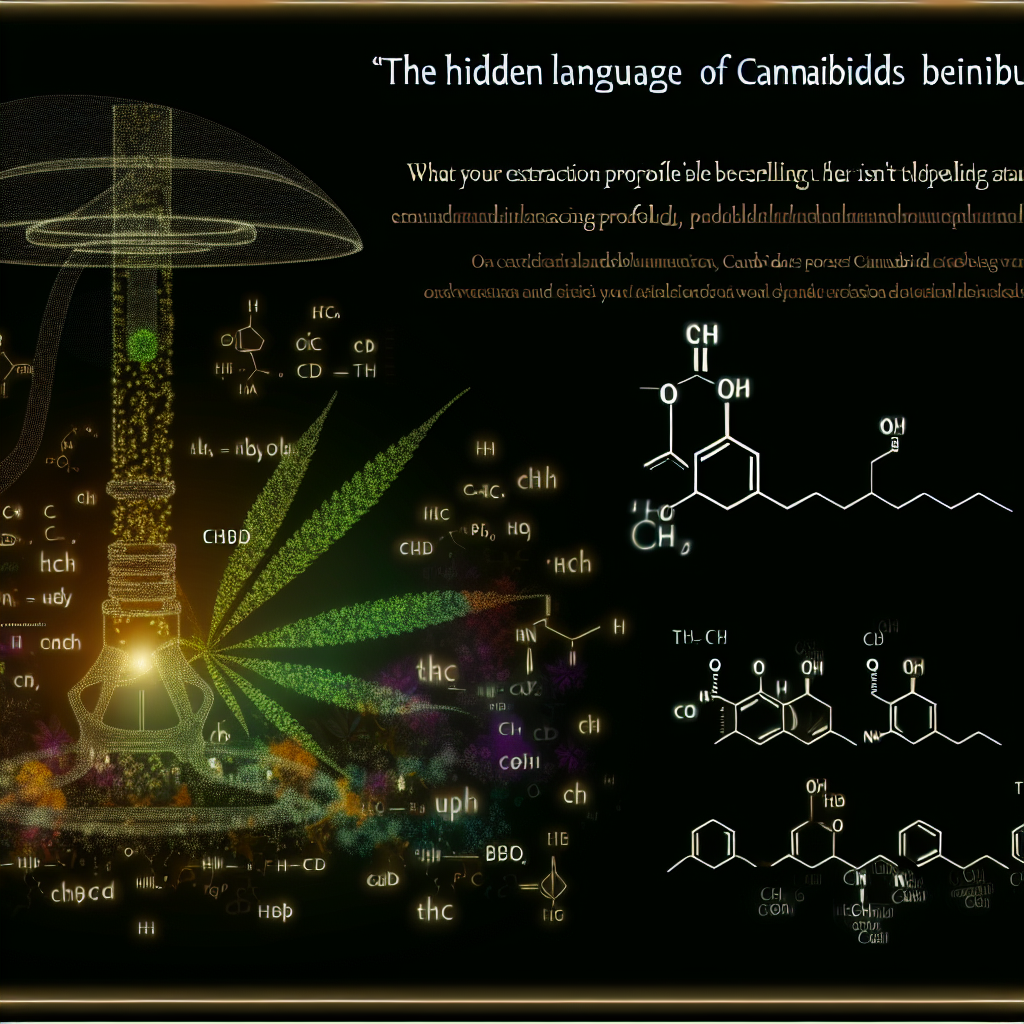
For industry professionals, understanding a strain’s **terpene profile** is like deciphering a complex coding language. Terpenes form the **formulating layers** of cannabis, interacting with cannabinoids and each other to produce a range of effects and benefits. They influence mood, therapeutic, and psychoactive effects, much like an API allows for personalized user experiences. Emerging research supports the “entourage effect,” where terpenes synergize with cannabinoids to enhance the plant’s efficacy. For instance, **linalool** is noted for relaxation, while **limonene** can elevate mood and reduce stress.
Features
Terpenes are gaining attention as their **medicinal benefits** and synergies with cannabinoids are better understood. A study in the **British Journal of Pharmacology** indicates terpenes can influence the euphoric effects of cannabis by binding to the same neural receptors as THC, much like an API enhances information exchange between applications. Another study from the **University of Arizona** delves into the therapeutic benefits of specific terpene profiles, highlighting **myrcene** for its sedative properties useful for insomnia, while **beta-caryophyllene** has shown promise in reducing inflammation and treating chronic pain.
From a professional standpoint, understanding terpenes leads to customizable consumer experiences. Innovators like **Steep Hill Labs** acknowledge the importance of aroma profiles in user experience and the efficacy of medical cannabis. The industry’s shift towards terpene-specific research allows for tailored product offerings, from energy-boosting to sleep-inducing formulations.
For consumers, understanding terpene formulations aids in making informed choices. By learning about different terpenes, consumers can select products that align with personal health goals. For example, a person seeking anxiety relief might choose strains rich in **linalool** and **limonene**, while someone with chronic pain might prefer strains high in **beta-caryophyllene**. This personalized approach underscores the importance of terpene knowledge in consumer education.
Conclusion
The **terpene system** in cannabis is a sophisticated interaction hub, much like an API shaping user experiences and software functionality. As cannabis evolves in both wellness and technological sectors, comprehending these aroma-rich compounds is crucial. The ability to decode this terpene API allows for custom cannabis experiences that meet recreational desires while addressing therapeutic needs.
References
1. Russo, E. B. (2011). Taming THC: potential cannabis synergy and phytocannabinoid-terpenoid entourage effects. British Journal of Pharmacology. [Link](https://bpspubs.onlinelibrary.wiley.com/doi/full/10.1111/j.1476-5381.2011.01238.x)
2. Cox-Georgian, D., Ramadoss, N., Dona, C., & Basu, C. (2019). Therapeutic and Medicinal Uses of Terpenes. Medicinal Plants: From Farm to Pharmacy. [Link](https://www.ncbi.nlm.nih.gov/pmc/articles/PMC7120764/)
3. Steep Hill Labs. (n.d.). Terpenes and the market of cannabis. [Link](https://www.steephill.com/science/terpenes)
Summary
The terpene system in cannabis plays a pivotal role in shaping user experiences, much like an API in software. As research into terpenes’ interactions with cannabinoids deepens, their impact on mood, stress, focus, and sleep becomes more apparent. The “entourage effect” suggests that terpenes enhance cannabis’ therapeutic potential. With industry shifts towards terpene-specific formulations, consumers can enjoy personalized products tailored for diverse effects like energy enhancement or relaxation. Understanding the terpene profile empowers consumers and professionals alike to optimize the benefits of cannabis.