Integrating Turkey Tail Mushroom (Trametes versicolor) with THC for Complementary Cancer Support Protocols
Introduction
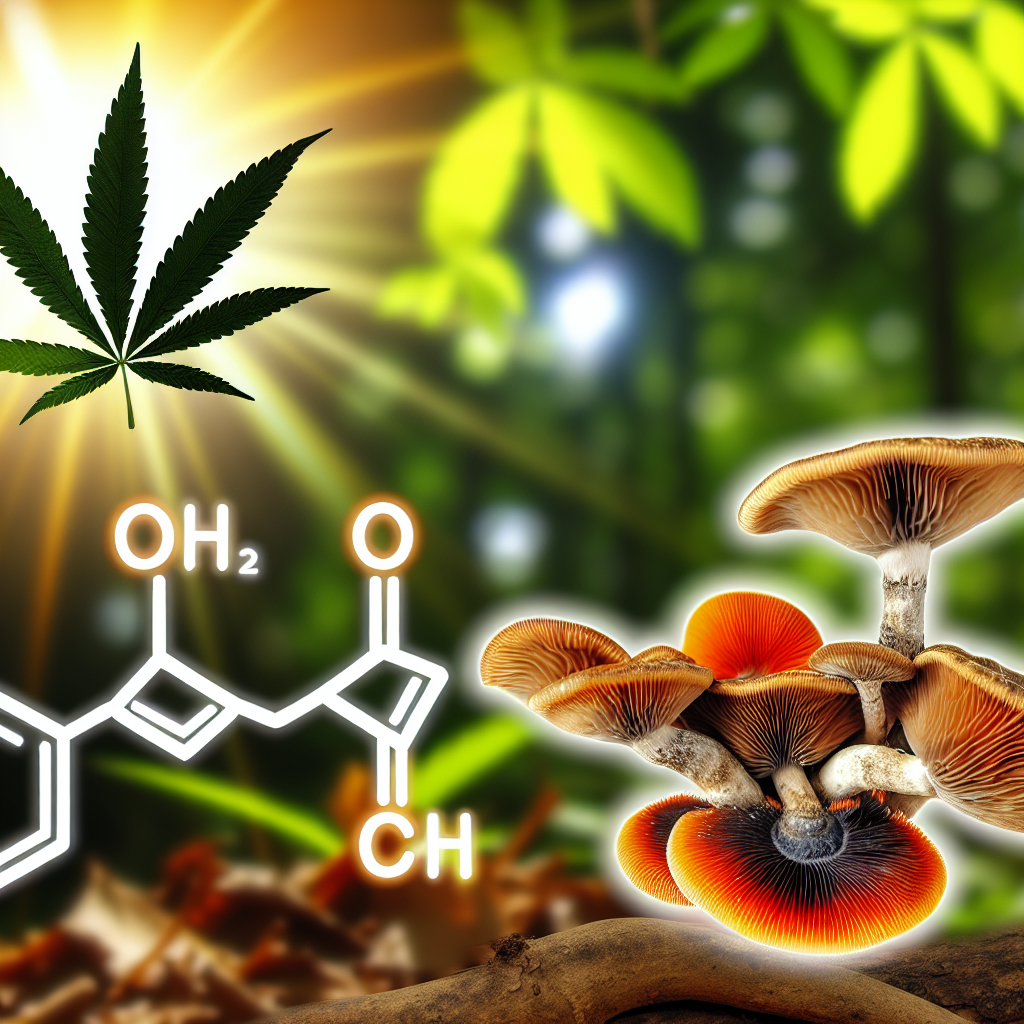
In the evolving field of integrative oncology, patients and healthcare practitioners are increasingly considering natural compounds to complement traditional cancer treatments. Among the most promising are medicinal mushrooms—particularly Turkey Tail (Trametes versicolor)—and cannabinoids like THC (tetrahydrocannabinol), the primary psychoactive component of cannabis.
Turkey Tail mushroom has historic usage in Traditional Chinese Medicine as an immune booster. Modern research has distilled this effect down to compounds like polysaccharopeptide (PSP) and polysaccharide-K (PSK). These components exhibit notable immunomodulatory effects, which may help the body recover immune function impaired by chemotherapy or tumor burden.
On the cannabis front, THC has emerged as more than a palliative aid. While it is well-known for managing symptoms like pain, nausea, and appetite loss, preclinical studies suggest it can also promote apoptosis in cancer cells and inhibit tumor proliferation. The human body’s endocannabinoid system—comprising CB1 and CB2 receptors—plays a central role in regulating cellular balance and offers a therapeutic target.
Combining these two natural agents in a complementary care protocol offers a multi-layered therapeutic strategy. This integrative approach aligns with polytherapy—utilizing several compounds to create a synergy that enhances treatment efficacy and reduces side effects.
This article reviews the scientific literature about these compounds, examines their potential synergy when used together, and discusses how healthcare professionals might incorporate them into cancer support strategies. We also cover existing clinical trial evidence and safety considerations for patient care.
Features and Supporting Studies
Turkey Tail mushroom (Trametes versicolor) is regarded as one of the most well-researched medicinal mushrooms, especially in Eastern medicine. In Japan, the standardized extract PSK (Krestin) is used in hospitals as an official adjunct treatment for several types of cancer, particularly gastric and colorectal cancers.
A pivotal 2012 clinical trial published in Global Advances in Health and Medicine demonstrated that breast cancer patients who consumed Turkey Tail extract exhibited enhanced immune markers. Notably, there were increases in natural killer (NK) cells and CD8+ T-cell counts—both vitally important in destroying cancer cells and preventing tumor recurrence.
Further validation comes from a 2007 meta-analysis published in the International Journal of Medicinal Mushrooms. The research analyzed multiple clinical trials involving Turkey Tail extracts like PSK and PSP. It revealed improved survival rates in colorectal, gastric, and breast cancer patients, plus a reduction in tumor size when combined with chemotherapy.
On the cannabinoid side, THC’s connection with cancer treatment stems from its action on CB1 and CB2 receptors. A widely cited 2004 study in Molecular Cancer Therapeutics showed that THC could inhibit glioblastoma cell growth in vitro. It also triggered apoptosis and reduced angiogenesis—the formation of new blood vessels feeding cancerous tumors.
A small 2006 clinical trial conducted in Spain evaluated the effects of intracranial THC on patients with aggressive brain cancer (glioblastoma multiforme). While it was a Phase I trial with primary focus on safety, results showed that the compound was well-tolerated and may reduce tumor growth rates.
Combined Mechanisms of Action: Merging THC and Turkey Tail could offer a combinatory defense—while Turkey Tail reconstitutes immune surveillance, THC might simultaneously slow tumor development and relieve symptoms such as inflammation, pain, or nausea. The anti-inflammatory benefits from both compounds may help mitigate cancer-related cachexia and reduce strain on organ systems already compromised by treatment.
Furthermore, both compounds may help patients better tolerate conventional therapies. Turkey Tail appears to help normalize immune suppression induced by chemotherapy, improving patients’ ability to recover. THC’s appetite stimulation and antiemetic effects are well-known to enhance the quality of life during harsh regimens like radiation or chemo.
Safety & Integration into Clinical Use
From a safety perspective, both Turkey Tail and THC have demonstrated wide margins of tolerability. While Turkey Tail has been used medicinally in Asia for decades with minimal side effects, the most common symptoms are mild digestive discomfort when taken in large doses.
THC, however, warrants a more nuanced approach. While most adverse effects are transient—such as dizziness, dry mouth, or mild anxiety—care must be taken for patients with a history of psychiatric disorders or cardiovascular complications. THC’s psychoactive properties also require attention to dosing, particularly in immunocompromised cancer patients.
At this point, no significant adverse drug interactions have been reported between THC and Turkey Tail. However, consulting healthcare professionals is essential before subsequent use, especially in patients on chemotherapeutic or immunotherapy drugs. Personalized dosage plans are recommended, and physicians should monitor individual immune markers, liver enzyme levels, and tumor biomarkers to assess response.
For practitioners, integrating these agents begins with a thorough patient history, a tailored treatment protocol, and ongoing communication among oncologists, herbalists, and cannabis experts.
Conclusion
As oncology broadens its horizons to include complementary treatments, the combination of Turkey Tail mushroom and THC provides a dual-action approach: one agent fortifying immune resilience and the other offering direct tumor suppression and symptom support. Together, they may produce synergistic effects that not only improve quality of life but also enhance the body’s defense mechanisms against cancer.
While preclinical and early human trials are promising, more comprehensive, large-scale human trials are needed. Until more robust data are available, professional oversight remains crucial. Nevertheless, this intersection of ancient mycology and modern cannabis science represents a hopeful and innovative path in holistic cancer therapy.
References
– Eliza W. et al. (2012). Phase I Clinical Trial of Trametes versicolor in Breast Cancer Patients. Global Advances in Health and Medicine.
– Gao Y., et al. (2007). Immunomodulation in medicinal mushroom extracts. International Journal of Medicinal Mushrooms.
– Guzmán M. et al. (2006). Pilot study on THC in glioblastoma. British Journal of Cancer.
– Sarfaraz S. et al. (2004). Cannabinoids and cancer therapy promise. Molecular Cancer Therapeutics.
Concise Summary
Combining Turkey Tail mushroom and THC may offer a complementary approach to cancer care by merging immune support with potential antitumor effects. Both have demonstrated safety and effectiveness individually, with Turkey Tail enhancing natural immunity and THC delivering symptom relief and potential tumor inhibition. While limited human trials show promise, more research is needed. Integration of these therapies should be conducted with medical oversight to customize dosing and ensure safety within conventional cancer treatments. Their synergistic benefits suggest a new frontier in holistic oncology support.