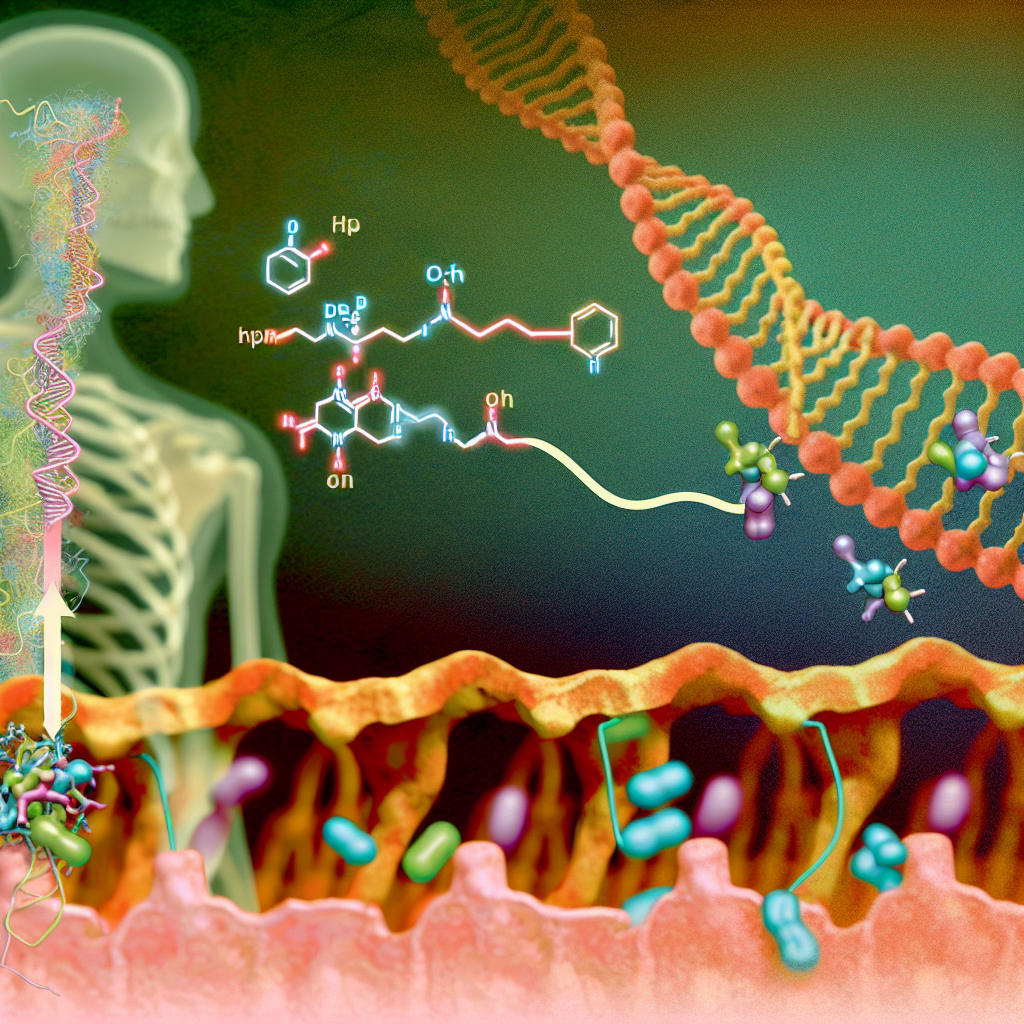
Allosteric Modulation of the GPR55 Receptor by Minor Cannabinoids: Implications for Bone Metabolism and Cancer
Introduction
As cannabis transitions from social stigma to mainstream science, researchers are diving deep into its pharmacological complexity. Beyond the well-known cannabinoids like THC and CBD, lesser-known minor cannabinoids—including cannabidivarin (CBDV), cannabigerol (CBG), and tetrahydrocannabinolic acid (THCA)—are showing unique therapeutic promise.
A key focus of recent studies is their interaction with the GPR55 receptor, a less-characterized member of the G protein-coupled receptor (GPCR) family. Initially orphaned, GPR55 is now understood to influence a wide range of physiological processes such as bone metabolism and cancer cell proliferation.
Notably, unlike THC or CBD, which do not directly activate GPR55, minor cannabinoids appear to serve as allosteric modulators—binding at alternate sites on the receptor and adjusting its activity without directly triggering or blocking its function. This unique interaction may allow researchers to modulate complex biological pathways with more precision and fewer side effects, advancing both bone health and oncology pharmacotherapy.
Features
Emerging research consistently underscores GPR55’s significance as a non-classical cannabinoid receptor with broad implications. Unlike CB1 and CB2 receptors, GPR55 signals through distinct mechanisms, often producing paradoxical outcomes. This makes it a unique target for cannabinoid-based drug development.
A landmark 2011 study in the British Journal of Pharmacology identified the endogenous ligand lysophosphatidylinositol (LPI) as an agonist for GPR55. Upon activation, this receptor stimulated osteoclast activity, promoting bone resorption. Overactivation was linked with bone degenerative conditions like osteoporosis, while inhibition was found to suppress these effects—opening a clear therapeutic window for managing bone density disorders.
This is precisely where minor cannabinoids step in. Cannabigerol (CBG) has emerged in studies as a noteworthy GPR55 allosteric modulator. A 2017 study from Frontiers in Pharmacology found that CBG reduced calcium signaling in cancer cells facilitated by GPR55. The modulation of these pathways indicated a reduction in cellular proliferation and migration, tying into cancer metastasis control.
Similarly, CBDV and THCA have demonstrated GPR55 interaction potential. Though human clinical data is currently limited, in vitro findings are promising. CBDV has been shown to downregulate GPR55 activity, potentially impacting bone remodeling and osteogenesis. Meanwhile, THCA has shown early evidence, as reported in a 2020 study in Cannabis and Cannabinoid Research, of suppressing inflammatory gene expression in tumor cells through GPR55 pathways—potentially contributing to anti-cancer effects.
In oncology, GPR55 presents as a double-edged sword. While normal in many tissues, its overexpression has been documented in aggressive cancers. A 2013 report from Oncotarget identified GPR55 elevation in difficult-to-treat breast cancer subtypes. Silencing GPR55 gene expression led to significant reductions in tumor growth and metastasis.
Beyond efficacy, another advantage of targeting GPR55 allosterically is in safety. Allosteric modulators can fine-tune receptor responses rather than bluntly activating or blocking them. Such modulation may reduce the risk of side effects and enable greater specificity compared to traditional pharmaceuticals. Since minor cannabinoids are already found in full-spectrum cannabis extracts and show excellent safety profiles, they are ideal candidates for inclusion in both nutraceuticals and cannabinoid therapeutics aimed at targeted diseases.
Researchers are now exploring formulation strategies that combine minor cannabinoids in ratios that synergistically affect GPR55-based pathways. These developments reflect not only potential breakthroughs in treating osteoporosis and metastatic cancer, but also a broader shift toward precision cannabinoid medicine.
Conclusion
The ability of minor cannabinoids to interact allosterically with the GPR55 receptor stands as a promising new direction in cannabinoid science. From influencing bone density regulation to suppressing tumor proliferation, the modulation of GPR55 by cannabinoids like CBG, CBDV, and THCA offers attractive opportunities for future therapies. As research builds, these compounds may form the foundation for specialized pharmaceuticals and therapeutic interventions that harness cannabis’s biological complexity with enhanced precision and reduced risk.
Concise Summary
Minor cannabinoids such as CBG, CBDV, and THCA show promising ability to allosterically modulate the GPR55 receptor, a non-classical cannabinoid receptor involved in bone metabolism and cancer progression. CBG, for example, dampens calcium signaling in tumor cells, potentially suppressing growth. Others can reduce bone loss by inhibiting GPR55 activity. These actions suggest potential therapeutic applications in treating osteoporosis and cancer with fewer side effects than conventional drugs. By targeting this receptor indirectly, minor cannabinoids offer a novel pathway for developing more effective, cannabis-based medicines that modulate complex physiological processes.
References
– British Journal of Pharmacology
– Frontiers in Pharmacology
– Cannabis and Cannabinoid Research
– Oncotarget
– National Institutes of Health (PubMed)
For more discoveries in cannabis science and therapeutic applications, visit Bluntys.com.