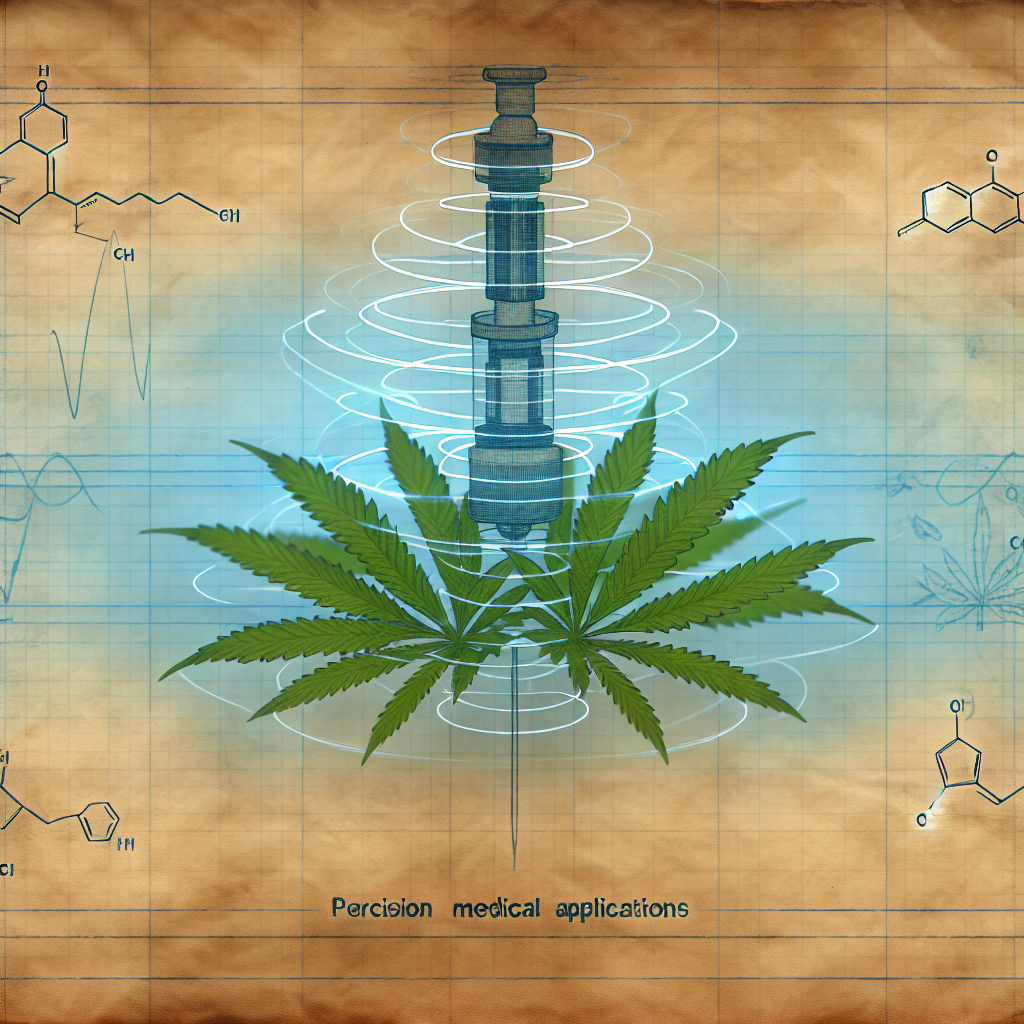
The Cannabinoid Blueprint: Designing Tailored Cannabis Plants for Precision Medical Applications
Introduction
The medical cannabis industry is witnessing unprecedented growth, fueled by increasing acceptance and understanding of the plant’s therapeutic potential. As we delve deeper into this green frontier, the focus is shifting toward precision medicine—a personalized approach to treatment that considers individual variability in genes, environment, and lifestyle. Precision is especially crucial in cannabinoid therapy, where cannabis’ chemical complexity intersects with human biology diversity.
Cannabinoids, the active compounds in cannabis, intricately interact with the endocannabinoid system, influencing many physiological processes. With over 100 identified cannabinoids, including THC and CBD, researchers uncover diverse therapeutic potentials, ranging from pain relief and anti-inflammatory effects to neurological and psychological benefits. As our understanding of these compounds grows, so does the urgency to cultivate strains tailored to specific medical conditions and individual patient needs.
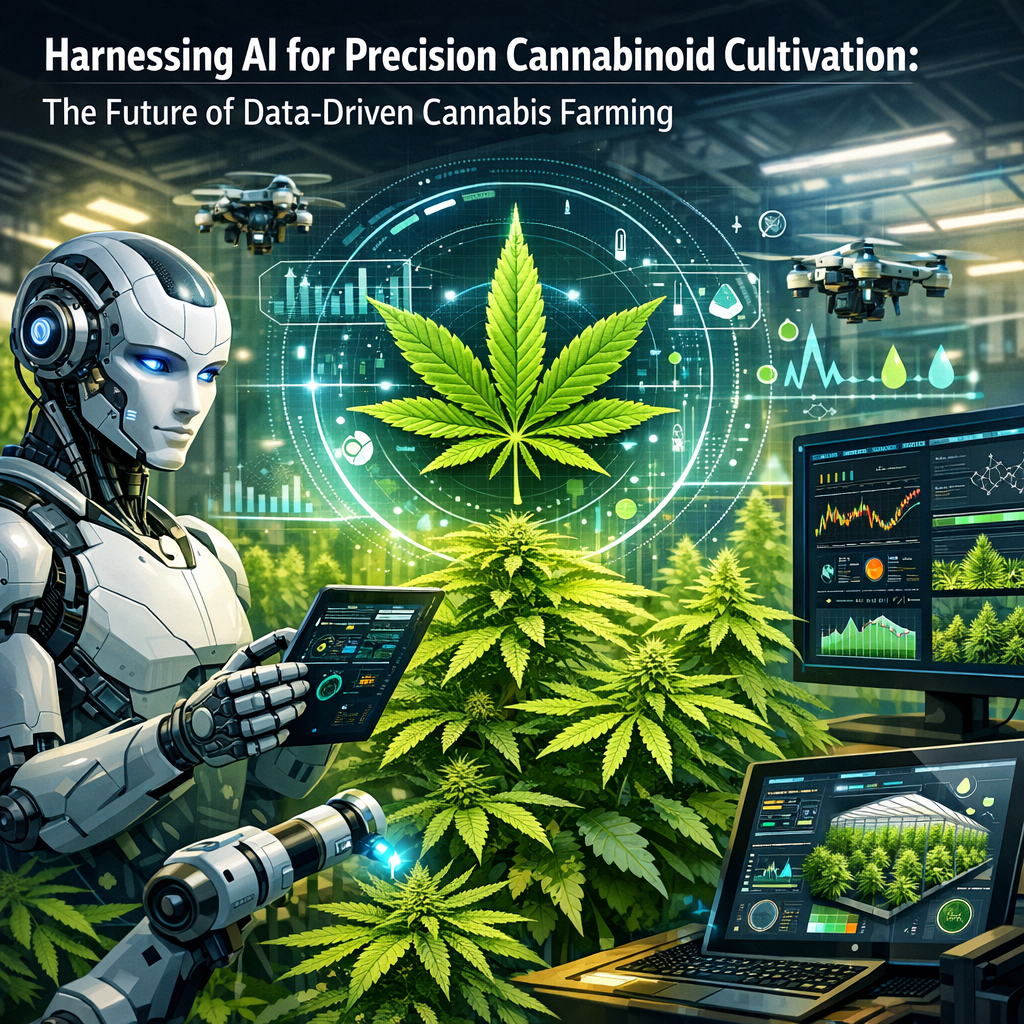
This painstakingly detailed process, known as “strain hunting,” aims to match specific cannabinoid and terpene profiles with targeted therapeutic outcomes. Advances in genetic engineering and cultivation techniques now allow us to design cannabis strains with remarkably precise chemical composition. Leveraging cutting-edge biotechnology, researchers can manipulate the plant’s genome to enhance desired traits, such as increasing a particular cannabinoid’s concentration or modulating terpene expression.
Such customization holds incredible promise for transforming patient experiences, moving away from the one-size-fits-all approach to a bespoke prescription model. For instance, by engineering a strain with high levels of a lesser-known cannabinoid like CBG (cannabigerol), researchers explore novel avenues for treating inflammation and bacterial infections with minimal psychoactive effects. Therefore, the cannabinoid blueprint is about cultivating the perfect plant and pioneering a paradigm shift in how we perceive and prescribe cannabis-based therapies.
Features
The intersection of modern biotechnology and traditional botany creates dynamic opportunities in cannabinoid research, particularly through professional and medical studies examining tailored cannabis applications’ efficacy and safety. One groundbreaking study, published in [Frontiers in Plant Science](https://www.frontiersin.org/articles/10.3389/fpls.2020.00570/full), highlights the potential of CRISPR-Cas9, a revolutionary gene-editing tool, in manipulating the cannabis genome. This study delves into how CRISPR can knock out undesirable genes while enhancing beneficial cannabinoid production, effectively creating strains with precise plant chemistry suitable for targeted medical treatment.
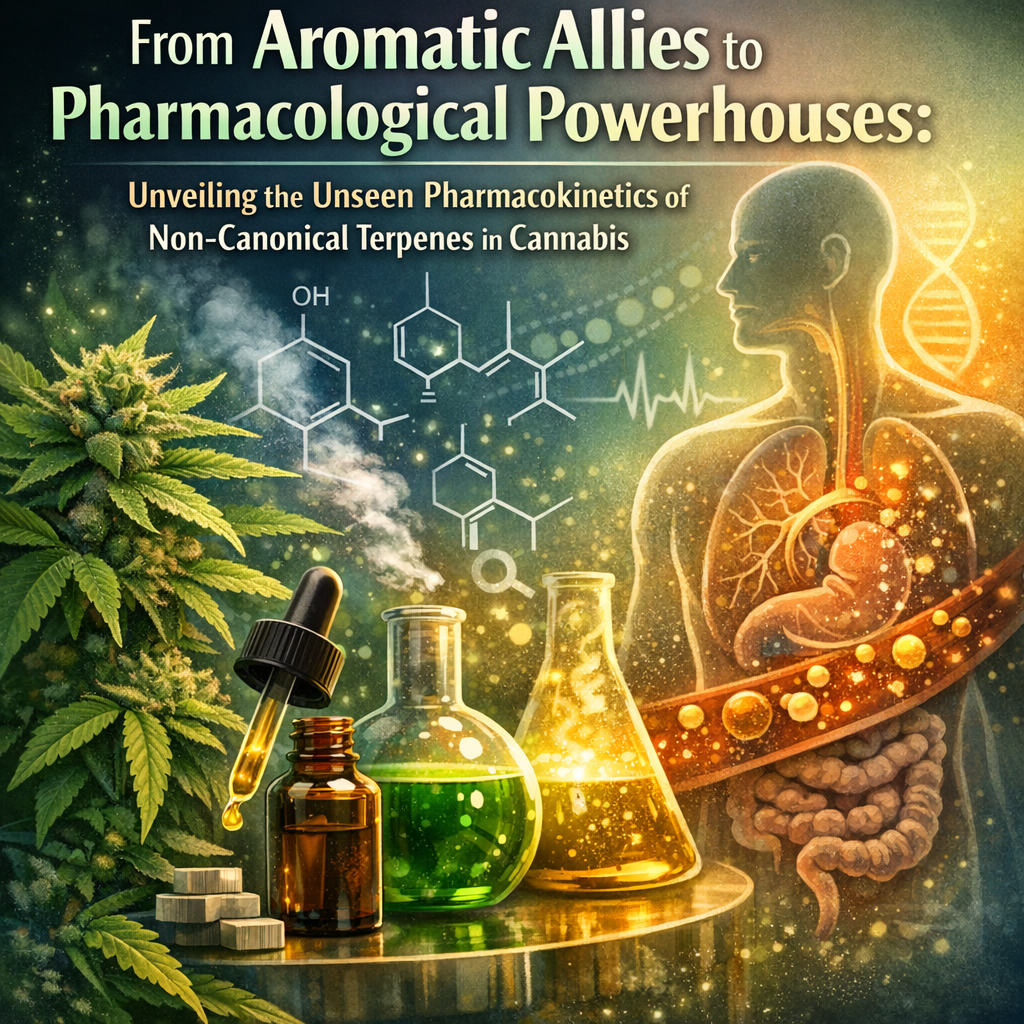
Further supporting the feasibility of tailored cannabis strains, a study in the [British Journal of Pharmacology](https://bpspubs.onlinelibrary.wiley.com/doi/full/10.1111/bph.14179) investigates the entourage effect, exploring the synergy between cannabinoids and terpenes. This research suggests that optimizing these compounds’ ratios can amplify therapeutic outcomes, paving the way for custom-designed strains that respond to specific medical conditions like epilepsy, chronic pain, and anxiety more effectively than generic, broad-spectrum therapies.
Moreover, the ongoing clinical trials at institutions such as the [University of California, San Diego](https://health.ucsd.edu/news/releases/Pages/2021-01-18-Cannabis-Research-Center-Established-at-UC-San-Diego.aspx) Cannabis Research Center are pivotal in advancing our understanding of how specific cannabinoid profiles affect human physiology. These studies are not only validating the therapeutic potential of cannabinoids but also identifying biomarkers that could predict individual responses to cannabis-based therapies. Such insights are critical for tailoring treatments to accommodate genetic differences among patients, significantly impacting drug efficacy and safety.
Through these scientific endeavors, professionals steadily build a body of evidence enabling the precise tailoring of cannabis plants. This forefront revolution in medical cannabis offers the potential to enhance lives through bespoke plant medicine.
Conclusion
The advent of precision medicine in cannabis therapeutics transcends traditional cannabis cultivation, pushing the boundaries of what is scientifically possible. Designing cannabinoid blueprints that cater to individual medical needs can transform not only how we use cannabis but also how we perceive its role in holistic health care. As research continues to reveal this remarkable plant’s complexities and capabilities, we are on the cusp of a new era—one where cannabis is seen not merely as medicine but as a personalized solution for health and wellness.
References
1. [Frontiers in Plant Science: CRISPR-Cas9: A tool to harness the therapeutic potential of Cannabis sativa L.](https://www.frontiersin.org/articles/10.3389/fpls.2020.00570/full)
2. [British Journal of Pharmacology: The “entourage effect”: Terpenes coupled with cannabinoids for therapeutic use](https://bpspubs.onlinelibrary.wiley.com/doi/full/10.1111/bph.14179)
3. [UC San Diego Health: Cannabis Research Center Established at UC San Diego](https://health.ucsd.edu/news/releases/Pages/2021-01-18-Cannabis-Research-Center-Established-at-UC-San-Diego.aspx)
Concise Summary
The burgeoning medical cannabis industry is advancing towards precision medicine, focusing on tailored therapies that align specific cannabinoid profiles with individual patient needs. Leveraging genetic engineering and biotechnology, researchers are crafting strains with precise chemical compositions, offering a bespoke therapeutic approach. Studies utilizing tools like CRISPR-Cas9 and exploring the entourage effect reveal promising avenues for conditions like epilepsy and chronic pain. As customization in cannabis therapeutics unfolds, we are entering a new era where cannabis serves as a personalized solution for health and wellness, enhancing patient outcomes and satisfaction.