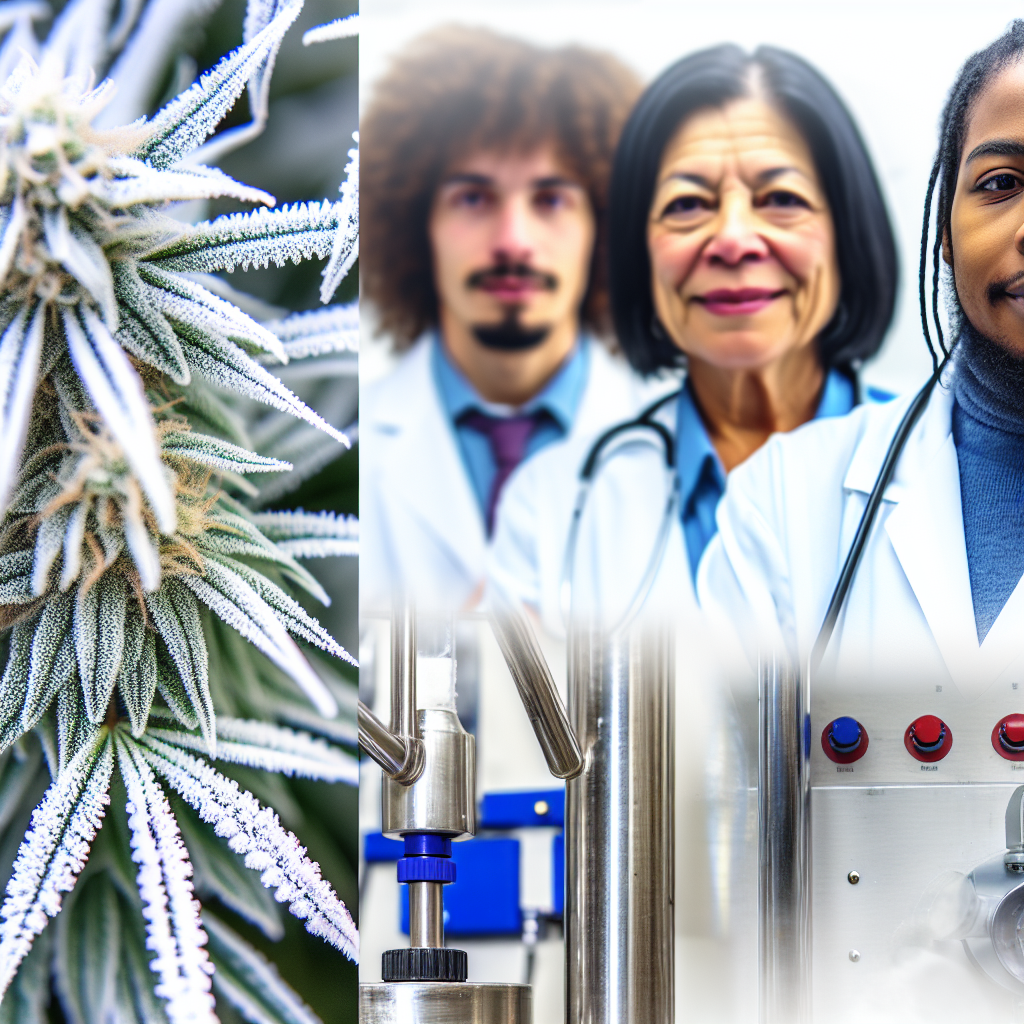
Revolutionizing Cannabis Cultivation: Unleashing the Potential of AI-Driven Genetic Editing for Custom-Strain Development
Introduction:
The evolution of cannabis cultivation has been extraordinary, transitioning from traditional farming methods to sophisticated agricultural practices. With the increasing demand for customized strains that cater to specific consumer needs, the marijuana industry is poised for another transformative shift powered by cutting-edge technology. Artificial Intelligence (AI) and genetic editing have emerged as a revolutionary duo, promising to redefine how we develop cannabis strains by optimizing their genetic potential.
AI-driven genetic editing represents a confluence of advanced computational power and precise biological manipulation. This new paradigm enables breeders to design cannabis plants with a unique combination of traits, tailored for everything from higher yields and disease resistance to specific cannabinoid and terpene profiles. It marks a departure from conventional breeding practices, which, while effective, are time-intensive and lack the precision offered by modern technological approaches.
Genetic editing in cannabis involves altering the plant’s DNA to enhance or suppress particular traits. Powered by AI, this process can assess massive genetic datasets to rapidly uncover the most advantageous attributes. Tools such as CRISPR-Cas9, which facilitate the precise editing of genes, are paired with machine learning algorithms to predict how genetic changes will manifest in the physical characteristics and chemical compositions of cannabis plants. The integration of AI provides a dynamic feedback loop, enabling real-time adjustments and improvements to genetic editing strategies.
The potential benefits of AI-driven genetic editing in cannabis are profound. Cultivators can create strains with specific cannabinoid ratios to target ailments with greater efficacy, satisfying both medicinal and recreational users with bespoke experiences. This precision cultivation not only amplifies the medicinal value of cannabis but also promotes sustainability by optimizing plant growth conditions and reducing the reliance on chemical inputs.
Features:
The fusion of AI and genetic editing in cannabis cultivation is not merely theoretical; it is supported by burgeoning research and successful case studies. A 2020 study published in [Nature Biotechnology](https://www.nature.com/articles/s41587-020-0459-z) highlighted the potential of CRISPR-Cas9 technology in plant breeding, showcasing success in other crops which provides a framework for its application in cannabis. The study demonstrated how AI algorithms could identify potential editing sites within plant genomes, paving the way for targeted genetic modifications.
Moreover, a 2022 report by the [Cannabis Research Institute](https://www.cannabisresearchinstitute.org/reports) outlined the application of machine learning in predicting plant phenotypes based on genetic data. This study illustrated how AI could significantly reduce the time needed to achieve desired traits compared to traditional breeding methods. By analyzing vast datasets, AI is capable of drawing connections between genes and observable traits, allowing breeders to foresee the implications of their genetic edits with greater confidence.
Another pivotal role of AI in this space is optimally managing and automating the conditions under which cannabis plants grow. Environmental factors such as light, temperature, and humidity can be meticulously adjusted using AI to complement genetic improvements. Researchers at the [University of Guelph](https://www.uoguelph.ca/research) successfully utilized AI to enhance growth rates and improve cannabinoid concentrations by regulating these variables in real-time.
These studies reveal the practicality and benefits of implementing AI-driven genetic editing in cannabis cultivation. The potential for creating customized strains with unparalleled precision not only enhances the capabilities of traditional methods but also propels the cannabis industry into a future where strain development is limited only by our imagination and technological reach.
Conclusion:
AI-driven genetic editing is unlocking new possibilities for cannabis cultivation, offering unprecedented precision and efficiency in developing customized strains. As the technology continues to advance, it promises to reshape the cannabis landscape, providing solutions tailored to individual consumer needs and broader medicinal applications. By embracing this innovation, both cultivators and consumers stand to benefit from enhanced product offerings that cater to a diverse array of preferences and therapeutic requirements.
Concise Summary
The integration of Artificial Intelligence (AI) and genetic editing is transforming cannabis cultivation by enabling the development of custom strains with precise traits. AI-driven genetic editing leverages tools like CRISPR-Cas9 alongside machine learning to optimize cannabis genetics, improving traits such as yield, disease resistance, and cannabinoid profiles. This approach enhances efficiency, reduces reliance on chemicals, and supports sustainability. Multiple studies highlight successful applications, including AI’s role in managing environmental growth conditions. As technology advances, this innovative approach promises to tailor strain development to consumer needs, propelling the industry into a new era of precision agriculture.