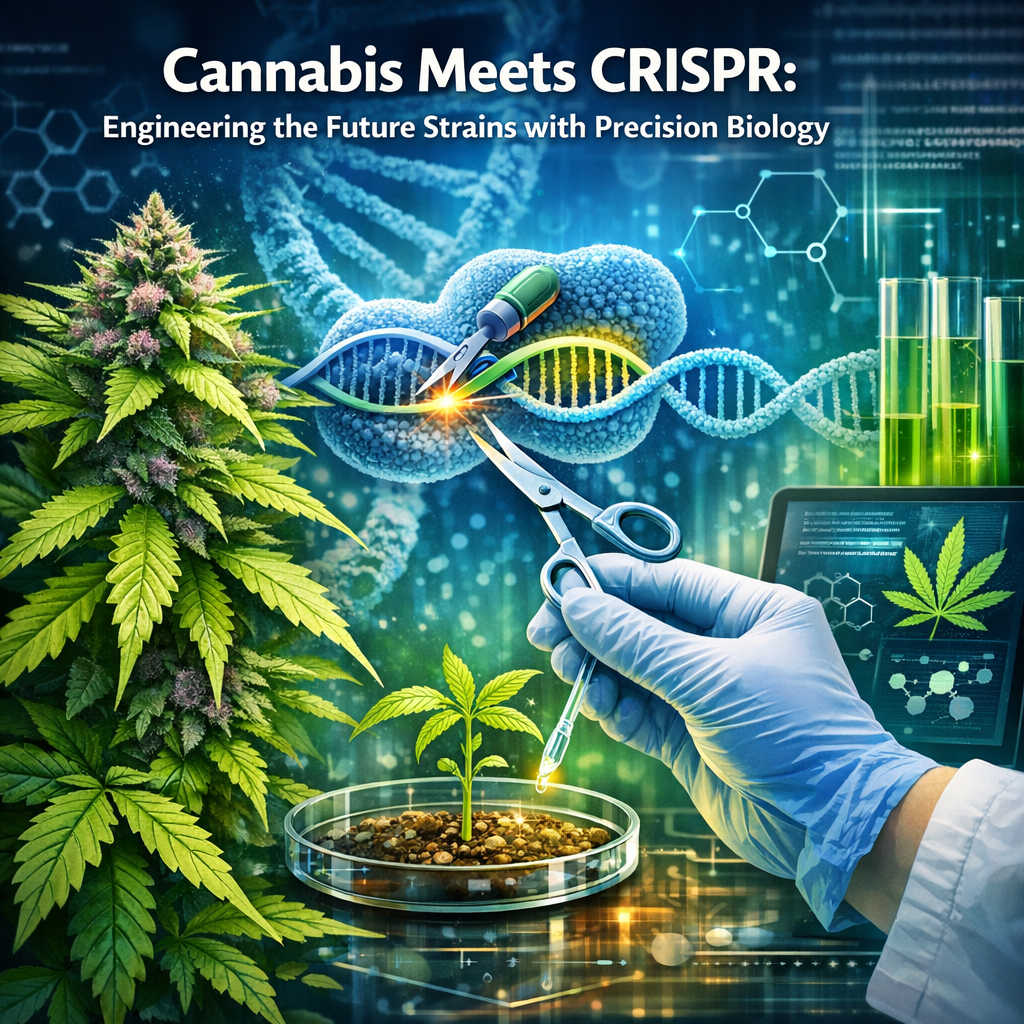
Cannabis Meets CRISPR: Engineering the Future Strains with Precision Biology
In recent years, the fields of genetics and biotechnology have evolved at an extraordinary pace, revolutionizing various industries, including agriculture, medicine, and pharmaceuticals. Among these groundbreaking innovations is CRISPR-Cas9, a precise gene-editing technology that holds immense potential for transforming the cannabis industry. Cannabis, a versatile plant with myriad medicinal and recreational applications, is no stranger to traditional breeding techniques aimed at improving its traits. However, these methods are often slow and lack the accuracy needed for developing specific strains with targeted characteristics. CRISPR offers a solution by enabling scientists to make precise modifications to the cannabis genome, opening new doors for crafting strains with enhanced medicinal properties, improved yield, and better resilience to environmental stressors.
The Promise of CRISPR in Cannabis Cultivation
The excitement surrounding CRISPR in cannabis cultivation is palpable. This technology allows for the development of strains with increased concentrations of therapeutic compounds like cannabidiol (CBD), while reducing tetrahydrocannabinol (THC) levels for patients seeking non-psychoactive benefits. Moreover, CRISPR could help in creating plants with heightened resistance to diseases and pests, which is a significant advancement for sustainable cannabis agriculture. As consumer demands shift and the cannabis market expands, the potential for CRISPR-modified strains to meet specific needs becomes even more compelling.
Additionally, the use of CRISPR is not only about improving plant traits but also understanding the genetic pathways responsible for cannabinoid synthesis. This understanding could lead to the discovery of new cannabinoids and terpenes with unique therapeutic profiles. Importantly, the application of CRISPR technology is poised to revolutionize the way we perceive and utilize cannabis, driving the industry into a future where precision and personalized medicine could become the norm.
Recent Research and Challenges
Recent professional and medical studies underscore the promise and challenges of integrating CRISPR technology into cannabis breeding. A pivotal study published in “Plant Cell, Tissue and Organ Culture” explored the use of CRISPR-Cas9 to edit the THCAS and CBDAS genes responsible for THC and CBD production, respectively. The study successfully demonstrated the ability to fine-tune cannabinoid levels, paving the way for the creation of strains tailored for specific medicinal purposes ([source](https://link.springer.com/article/10.1007/s11240-019-01647-3)).
Additionally, the significance of CRISPR in understanding the biosynthesis of cannabinoids was highlighted in a comprehensive research article in “Frontiers in Plant Science.” This study examined the enzymatic pathways involved in cannabinoid production, revealing insights into genetic modifications that could lead to the discovery of novel compounds with potential therapeutic applications ([source](https://www.frontiersin.org/articles/10.3389/fpls.2021.637474/full)).
Despite its promise, the application of CRISPR technology in cannabis is not without ethical and regulatory challenges. Concerns about the unintended consequences of gene editing, such as off-target effects, necessitate thorough research and stringent controls to ensure safety. As CRISPR-edited plants may fall under the jurisdiction of GMO regulations, navigating the legal landscapes will be crucial for the commercialization of genetically modified cannabis strains.
Furthermore, collaborations between cannabis researchers, geneticists, and regulatory bodies will be vital in safely advancing CRISPR applications. This collaborative effort will not only facilitate the development of novel strains but also enhance our understanding of the plant’s genetics and potential health benefits. As research progresses, transparency and clear communication about the safety and advantages of CRISPR-edited cannabis will be crucial in gaining public trust and acceptance.
Conclusion
The marriage of CRISPR technology and cannabis represents a frontier of innovation with vast potential. As research into gene-editing techniques advances, so too does the potential to create cannabis strains that cater to specific medical needs while boosting agricultural sustainability. However, navigating the scientific, ethical, and regulatory challenges requires careful consideration and collaboration across multiple disciplines. With continued exploration and responsible development, CRISPR technology is set to revolutionize the cannabis industry, ushering in an era of precision and innovation.
Concise Summary:
CRISPR-Cas9 technology is transforming cannabis cultivation by enabling precise genetic modifications for developing strains with specialized medicinal properties and enhanced agricultural traits. Recent studies have successfully edited genes responsible for THC and CBD production, opening paths for targeted strain development. The technology also illuminates the genetic pathways for cannabinoid synthesis, offering insights into new therapeutic compounds. Despite its potential, CRISPR faces ethical and regulatory challenges, emphasizing the need for collaboration among researchers, geneticists, and lawmakers to ensure safe application and public acceptance.