Harnessing CRISPR for Precision Cannabis Cultivation: Engineering the Future of Cannabinoid Profiles
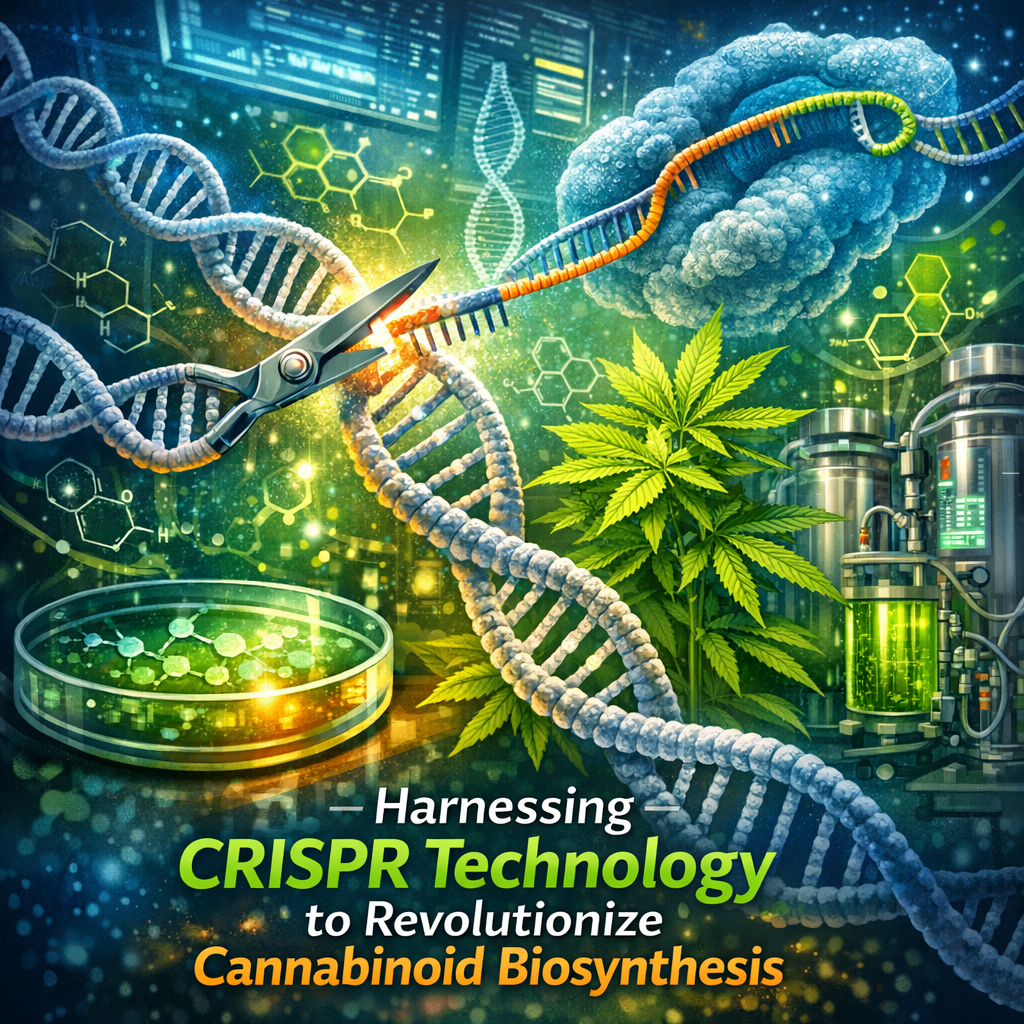
The rapidly evolving fields of genetic engineering and agricultural biotechnology are increasingly intersecting with cannabis cultivation, providing novel solutions to age-old challenges. One of the most revolutionary tools in this toolkit is CRISPR-Cas9, a gene-editing technology that promises to transform the way we understand and manipulate the genetic drivers of cannabinoid production. With precision and efficiency, CRISPR can be deployed to optimize cannabinoid profiles, enhance resistance to diseases, and improve crop yields. As the cannabis industry continues to grow, both economically and socially, the demand for specific strains with targeted effects and reduced cultivation risks is at an all-time high. CRISPR offers the potential to meet these demands by enabling scientists to precisely edit the cannabis genome, achieving outcomes previously thought impossible.
Cannabinoids, the active compounds found in cannabis, interact with the human endocannabinoid system, producing effects that range from psychoactive experiences to therapeutic benefits. Cannabinoid profiles—specific combinations and concentrations of these compounds—are fundamental to how cannabis affects users. While traditional breeding methods have been used to influence these profiles, they are inherently unpredictable and time-consuming. CRISPR technology, with its ability to target specific genes, can accelerate this process and introduce a level of precision previously unattainable. This breakthrough allows for more predictable strain characteristics, benefiting both consumers and cultivators alike.
By unlocking the genetic code of cannabis, CRISPR allows researchers to produce strains with enhanced levels of specific cannabinoids like THC, CBD, or rare ones such as CBG and THCV. These modifications can pave the way for new medicinal applications, improved recreational products, and opportunities to meet the regulatory standards that vary across global markets. As more countries embrace cannabis for both medical and recreational use, the need for targeted, stable, and high-quality cannabis products becomes paramount, ensuring consistency and meeting diverse regulatory requirements.
However, harnessing CRISPR for cannabis also poses ethical, regulatory, and ecological considerations. The realm of genetic modification is not without controversy, and the incorporation of CRISPR into cannabis cultivation invites questions about biodiversity, intellectual property rights, and consumer safety. Addressing these concerns is essential for the responsible implementation of CRISPR technology, ensuring that its potential benefits are realized without compromising ethical standards.
Features: Examining Professional and Medical Studies
CRISPR, or Clustered Regularly Interspaced Short Palindromic Repeats, was first adapted for genome editing in 2012. This Nobel Prize-winning technology functions like molecular scissors, allowing scientists to alter DNA sequences and modify gene function. Its application in cannabis research is relatively nascent but rapidly expanding, fueled by both scientific curiosity and economic incentives. The potential of CRISPR in this field is vast, with exciting possibilities on the horizon.
A critical study published in the Plant Physiology and Biochemistry journal explored the potential for CRISPR in cannabis bioengineering. The research demonstrated that specific genes responsible for cannabinoid biosynthesis could be identified and targeted, paving the way for tailored cannabinoid production. This foundational work provides a template for more advanced studies aiming to produce strains with enhanced therapeutic profiles ([see study](https://www.sciencedirect.com/science/article/pii/S0981942820304497)).
Another significant study from the University of California, Berkeley, highlighted CRISPR’s capacity to not just enhance cannabinoid production but to improve plant resilience. By editing genes associated with pathogen resistance, researchers were able to increase the plant’s immunity against mold and mildew—common threats in cannabis cultivation, especially in humid climates. This development is crucial for ensuring both the yield and quality of crops, potentially reducing the need for chemical pesticides and promoting more sustainable cultivation practices.
The implications of CRISPR extend to human health research as well. A study showcased by Nature Communications explored how editing the cannabis genome to yield higher quantities of lesser-known cannabinoids could open new frontiers in medical research. Cannabigerol (CBG) and tetrahydrocannabivarin (THCV), for example, show promise as anti-inflammatory and appetite-suppressing agents, respectively ([see study](https://www.nature.com/articles/s41467-020-19028-9)). Researchers are optimistic that CRISPR could play a pivotal role in producing plants with specialized cannabinoid compounds suitable for targeted therapeutic applications.
Conclusion
As we peer into the future of cannabis cultivation, CRISPR emerges as a powerful tool with the potential to revolutionize the industry. By enabling precise genetic modifications, it offers unprecedented control over cannabinoid profiles, enhancing both the medical efficacy and commercial value of cannabis. However, reaching this potential requires careful consideration of ethical and ecological implications, along with regulatory frameworks to ensure consumer safety. As research progresses, collaboration between scientists, policymakers, and industry stakeholders will be key to unlocking the full spectrum of possibilities that CRISPR offers to cannabis cultivation.
Concise Summary: The intersection of genetic engineering and cannabis cultivation is revolutionized by CRISPR-Cas9, enabling precise changes in cannabinoid profiles, improving disease resistance, and enhancing yield. Studies highlight CRISPR’s potential in tailoring strains for medical use, increasing resilience, and reducing pesticide reliance. Ethical, ecological, and regulatory issues must be navigated responsibly to harness its full potential. This innovative technology positions CRISPR as a transformative force in the cannabis industry, promising improved products and broad application possibilities, while necessitating collaboration among scientists, policymakers, and industry participants to ensure its success.