Beyond THC: Engineering the Perfect Cannabis Plant with CRISPR and Advanced Genomics
Introduction
Cannabis, a plant with a centuries-old history, has long intrigued humans primarily for its psychoactive effects and therapeutic potential. Historically, the focus has been on Tetrahydrocannabinol (THC), its main psychoactive compound. However, as research advances, we begin to explore beyond the THC component, delving into the plant’s full complexity. Today, botanists, geneticists, and cannabis enthusiasts are using cutting-edge technologies like CRISPR and advanced genomics to refine cannabis cultivation.
In recent years, the cannabis industry has seen exponential growth, estimated to reach a value of USD 73.6 billion by 2027. This economic growth is driven by both recreational use and the medical benefits cannabis offers. Compounds like Cannabidiol (CBD) have gained recognition for their therapeutic potential, leading to increased demand for specific cannabinoid ratios and innovative strains.
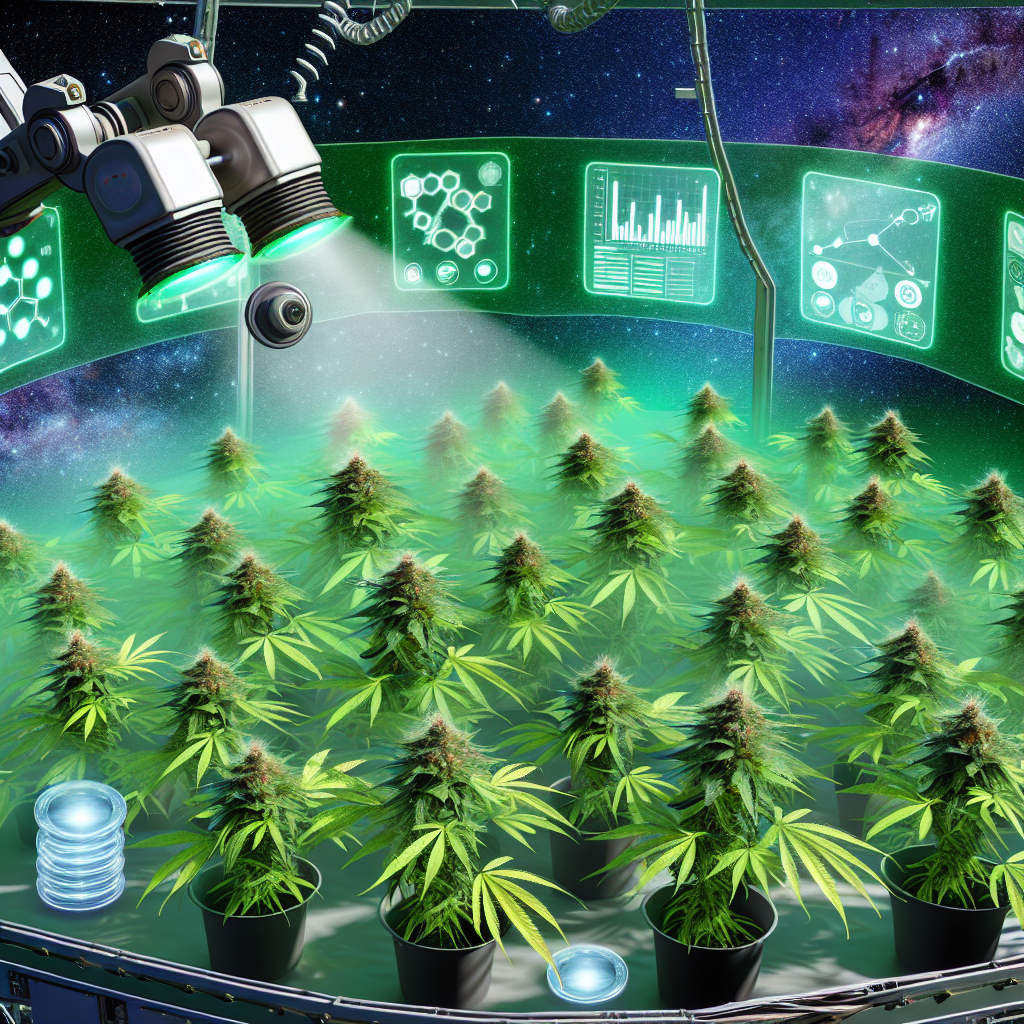
Genetic engineering of cannabis is not solely about increasing THC or CBD content; it aims to enhance minor cannabinoids, terpenes, and flavonoids. CRISPR-Cas9, a revolutionary gene-editing technology, allows scientists to target specific genes within the cannabis genome to improve plant characteristics, enhance disease resistance, and personalize medicinal use. This precise editing mechanism enables breeders to manipulate cannabinoid biosynthetic pathways, unlocking unique combinations that could offer unparalleled therapeutic potentials.
Additionally, advanced genomics offers deeper insights into the cannabis genome, facilitating the creation of tailor-made strains for diverse consumer needs, from relaxation and euphoria to pain management and anti-inflammatory purposes. The fusion of CRISPR and genomics not only opens new strain development possibilities but also sparks discussions on ethics, legality, and sustainable cannabis cultivation.
This blend of technology and nature promises to redefine our understanding of cannabis and revolutionize how we cultivate, consume, and utilize this ancient plant for modern needs.
Features
Professional and medical studies focusing on CRISPR and advanced genomics have shown significant advancements in engineering the “perfect” cannabis plant. A study published in the *Nature Plants Journal* successfully utilized CRISPR technology to alter the THCA synthase gene, which regulates THC production in cannabis. By manipulating this pathway, scientists increased THC production efficiency and isolated other cannabinoids usually present in trace amounts.
Another breakthrough study by the University of California, Berkeley, demonstrated the potential to boost terpene production through genome-wide association studies (GWAS) and CRISPR technology. Terpenes are vital not only for the aroma and flavor of cannabis but also for their entourage effect, which may enhance the therapeutic benefits of cannabinoids. By adjusting terpene synthase genes, specific terpene profiles can be significantly enhanced, offering customized sensory and therapeutic benefits.
Moreover, researchers at the University of Toronto have begun using the CRISPR-Cas9 tool to increase cannabis plant resilience against pests and environmental challenges. This could lead to sustainable cultivation practices and lower production costs. With global climate change threatening agriculture, creating robust cannabis strains ensures a steady supply regardless of regional climatic conditions.
From a medical perspective, controlled manipulation of cannabinoid profiles could lead to tailor-made treatments for conditions like epilepsy, chronic pain, and anxiety. The targeted approach of CRISPR could result in strains engineered for specific patient needs, making precise treatment a reality.
Conclusion
The integration of CRISPR and advanced genomics into cannabis cultivation is not just a futuristic concept but a burgeoning reality with potential to transform the industry. It offers opportunities to enhance plant strains with specific cannabinoid and terpene profiles to meet diverse consumer needs while ensuring sustainable production practices. As researchers continue to unravel the genetic puzzles of cannabis, the synergy between nature and technology promises to unlock new avenues for innovation, medicinal exploration, and responsible consumption in the cannabis market.
Concise Summary
The cannabis industry is fast evolving with technologies like CRISPR and advanced genomics, moving beyond focusing solely on THC to potentially engineering ideal cannabis plants. These innovations aim to enhance not just major cannabinoids like CBD, but also minor cannabinoids, terpenes, and flavonoids, which play a significant role in the plant’s effects. Research is on the verge of creating customized strain profiles for specific medical or recreational needs, while also ensuring sustainable cultivation practices to address environmental challenges. This technological integration looks set to revolutionize our understanding and utilization of cannabis.