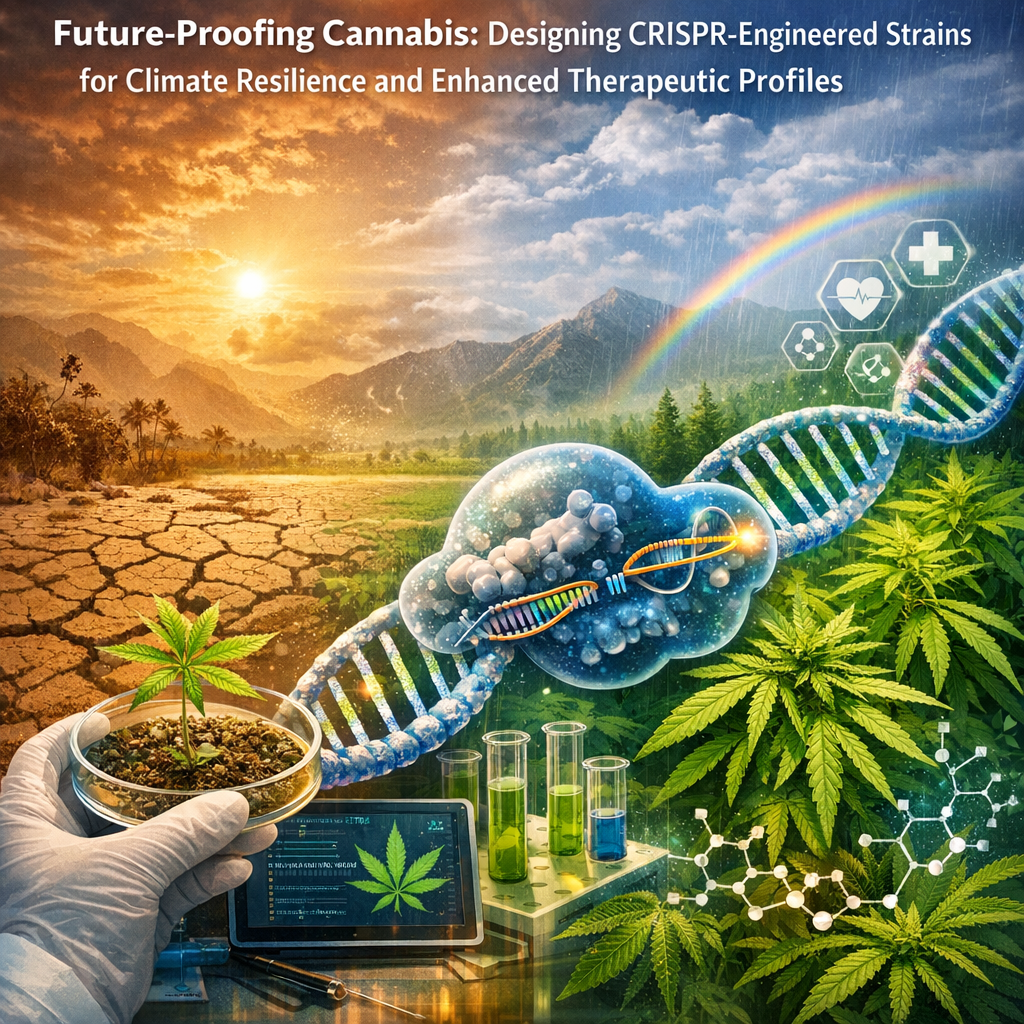
Future-Proofing Cannabis: Designing CRISPR-Engineered Strains for Climate Resilience and Enhanced Therapeutic Profiles
Introduction
As the world confronts *climate change*, industries globally are striving to adapt and innovate. The *cannabis industry*, a leader in both *medicine* and recreation, must also face these challenges. The industry relies on specific climatic conditions, making the threat significant. How can these challenges be countered? CRISPR technology is a groundbreaking tool that allows for the precise editing of genes, offering potential to design *cannabis strains* that are not only *climate-resilient* but also have enhanced therapeutic benefits.
*CRISPR* technology allows for the introduction of favorable traits into cannabis strains to cope with environmental stresses such as *drought*, *extreme temperatures*, and *pests*. By modifying the plant’s genetic makeup, researchers can create strains capable of thriving in harsh conditions, effectively “future-proofing” the industry against climatic changes.
Beyond climate resilience, CRISPR technology has immense potential to enhance the *therapeutic profiles* of cannabis strains. *Cannabinoids*, the compounds responsible for cannabis’ medicinal properties, can be optimized through genetic modifications. This could revolutionize the plant’s medicinal applications by maximizing its efficacy in treating conditions like *chronic pain*, *epilepsy*, or *anxiety*. This represents a dream now within reach.
However, as we explore CRISPR-engineered cannabis, ethical and legal challenges arise. Regulators are still catching up, and the ethics of gene-editing in plants is under debate. Despite these hurdles, the potential benefits are immense, heralding a new era for *cannabis innovation*. As research progresses, the industry stands on the cusp of transformation, addressing climatic threats and expanding therapeutic possibilities.
Features
Several academic studies lay the groundwork for applying CRISPR in cannabis cultivation. Notably, researchers at the *University of California, Berkeley*, have outlined CRISPR’s potential in creating stress-resistant cannabis strains. Their work demonstrates how genetic modifications can enhance *drought tolerance*—critical for regions with water scarcity ([Nature](https://www.nature.com/articles/s41587-019-0014-4)).
Another significant study in *Frontiers in Plant Science* explores CRISPR’s role in enhancing certain *cannabinoids*. It shows how genetic interventions can increase production of cannabinoids like *cannabidiol (CBD)* and *tetrahydrocannabinol (THC)*, paving the way for therapeutic strains ([Frontiers in Plant Science](https://www.frontiersin.org/articles/10.3389/fpls.2020.00229/full)).
Moreover, CRISPR’s capabilities extend to precision tuning of cannabinoid profiles. Wageningen University’s research highlights the possibility of reducing THC’s psychoactive effects while maintaining therapeutic benefits ([Springer Nature](https://link.springer.com/article/10.1007/s11248-019-00164-4)).
These studies emphasize CRISPR’s potential to address both climate and medicinal challenges in cannabis. They also highlight the need for collaboration among geneticists, botanists, and industry stakeholders to use this technology responsibly. As CRISPR research advances, adhering to ethical standards and regulations will be vital for safe integration into the industry.
Conclusion
CRISPR-engineered cannabis holds the promise of addressing climate and therapeutic challenges. As this technological revolution unfolds, continuous research and ethical guidelines will ensure these innovations benefit the industry and consumers. The potential to future-proof cannabis while enhancing medicinal properties creates a hopeful vision for its role in a climate-conscious future.
—
Concise Summary:
CRISPR technology offers revolutionary opportunities to design cannabis strains for climate resilience and enhanced therapeutic benefits. By modifying the plant’s genes, strains can be developed to withstand environmental stresses and optimize medicinal properties. Key studies highlight the potential of CRISPR to enhance drought tolerance and cannabinoid production. As the cannabis industry embraces these innovations, addressing both ethical considerations and regulatory compliance will be essential for successful implementation. CRISPR-engineered cannabis stands to secure the industry’s future against climate challenges while expanding its therapeutic potential.