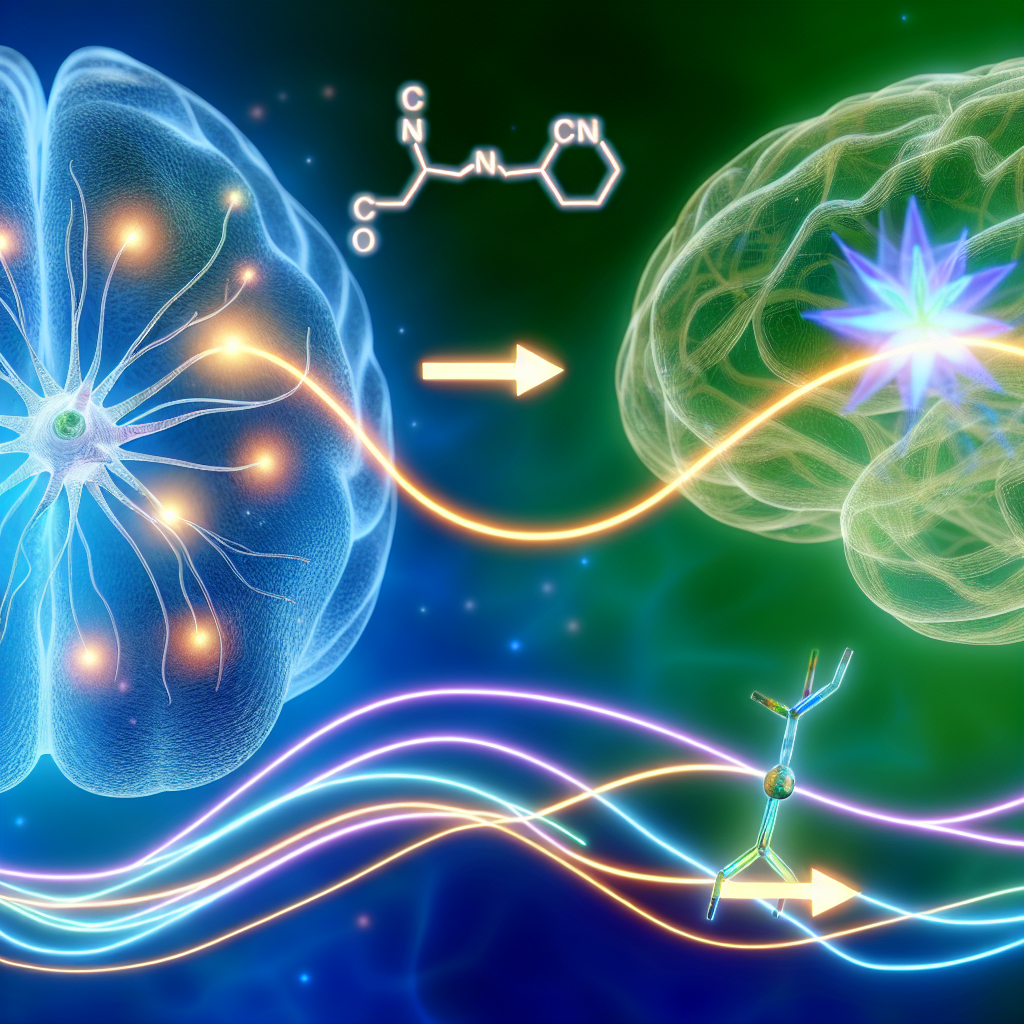
Breaking the Cannabinoid Code: Quantum Mechanics in Cannabis Molecular Design
Introduction
The cannabis plant has long intrigued researchers for both its psychoactive and therapeutic effects. Central to this are cannabinoids, compounds that work with our body’s endocannabinoid system. Beyond the familiar THC and CBD, numerous other cannabinoids each have distinct properties. As we decode these compounds’ molecular design, the application of quantum mechanics offers groundbreaking possibilities. This field of physics examines phenomena at nanoscopic scales, and when applied here, reveals new insights into cannabis research.
Quantum mechanics reveals that at atomic levels, particles behave unusually compared to classical physics. These principles help us understand how cannabinoids interact with human receptors and predict how molecular structures influence therapeutic effects. By utilizing quantum mechanics, researchers can design novel cannabinoids that are more efficient and targeted.
Understanding quantum mechanics in cannabis molecular design requires grasping concepts like superposition and entanglement. These allow scientists to foresee how minor molecular alterations can lead to significant changes in receptor interaction. For instance, adjusting a single atom could enhance therapeutic properties or reduce side effects, thus creating better treatments.
The leap forward continues with quantum computing, which vastly improves the simulation of complex molecular interactions. High-precision modeling of cannabinoid-receptor interactions could significantly reduce drug development costs and time. In a field constantly seeking advancement, quantum mechanics aids in decoding the cannabinoid code, enabling personalized medicine strategies that are both effective and safe. By combining quantum theory with traditional pharmacology, researchers are poised to discover unparalleled solutions for common ailments.
Features
Numerous professional and medical studies highlight quantum mechanics’ potential in cannabis research. A study from the University of Southern California, published in the [Journal of Quantum Chemistry](https://onlinelibrary.wiley.com/journal/1097461x), shows how quantum computing can model cannabinoid interactions at an atomic level. The findings suggest quantum algorithms could precisely forecast how cannabinoids like THC and CBD bind to receptors, providing crucial insights for optimizing effects.
Another important study by the [National Institute of Standards and Technology (NIST)](https://www.nist.gov/) explores using quantum dots—nanoscale semiconductor particles—to analyze cannabinoid pathways. Thanks to unique fluorescence properties, quantum dots enable tracking of cannabinoids within cells, transforming cannabinoid research.
An innovative study from the [Max Planck Institute for the Physics of Complex Systems](https://www.mpipks-dresden.mpg.de/) demonstrated using quantum entanglement for developing cannabinoid-based drugs. Simulations showed how linked quantum states can optimize binding affinity, suggesting precision-targeted therapies with minimal side effects. This signals a new era of precise medicine.
Additionally, cutting-edge research at institutions like MIT and Harvard investigates quantum tunneling in cannabinoid molecules. By potentially enabling faster active configurations, this could lead to breakthroughs in treatments for conditions like chronic pain, anxiety, and neurodegenerative disorders.
Conclusion
The integration of quantum mechanics in cannabis molecular design marks an exciting shift in research and application. By merging quantum computing’s precision with traditional pharmacology, researchers aim to unravel the complex interactions of cannabinoids, unlocking new therapeutic dimensions. This synthesis of advanced science and ancient practice promises breakthroughs that can transform our understanding and utilization of cannabis. As we explore these innovative horizons, the future of cannabis research appears both remarkable and influential.
Concise Summary
Quantum mechanics is redefining cannabis molecular design by providing new insights into cannabinoid interactions at an atomic level. This emerging field enhances our understanding of how cannabinoids like THC and CBD bind to receptors and predicts molecular influences on therapeutic effects. Studies demonstrate quantum computing can simulate complex cannabinoid processes, reducing drug development costs. Advances in quantum mechanics facilitate the design of precise, effective cannabinoid-based therapies, paving the way for breakthroughs in treating ailments such as chronic pain and anxiety. This union of cutting-edge science and traditional pharmacology promises an exciting future for cannabis research.