The Neuropharmacology of Cannabis: Unraveling the Pathway to Tailor-made Therapeutics
Introduction:
As modern society continues to evolve, so does our understanding and application of cannabis in therapeutic settings. Once demonized and shrouded in controversy, cannabis is now on the brink of revolutionizing personalized medicine. Understanding the neuropharmacology of cannabis is crucial in deciphering its potential role in tailor-made therapeutics. With a complex interplay of cannabinoids, terpenes, and flavonoids, cannabis holds myriad possibilities for treating an array of neurological and psychological disorders.
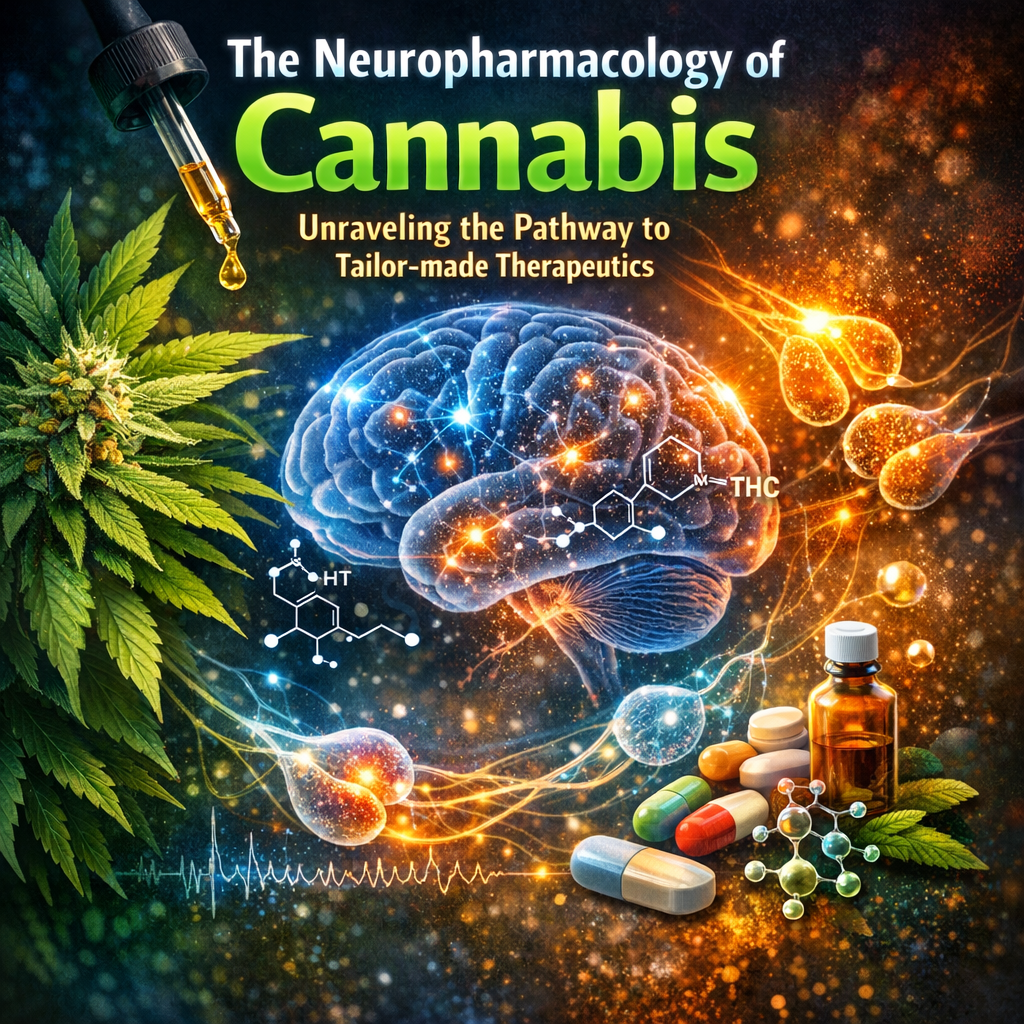
At the heart of cannabis’s effects on the brain is the endocannabinoid system (ECS), a sophisticated network of receptors and signaling molecules that maintain homeostasis within the body. Central to the ECS are two primary receptors: CB1 and CB2. CB1 receptors are predominantly located in the brain and central nervous system, playing a key role in modulating neurotransmitter release, which influences mood, cognition, and behavior. Conversely, CB2 receptors are largely found in the peripheral organs and immune cells, where they contribute to anti-inflammatory and immune response regulation.
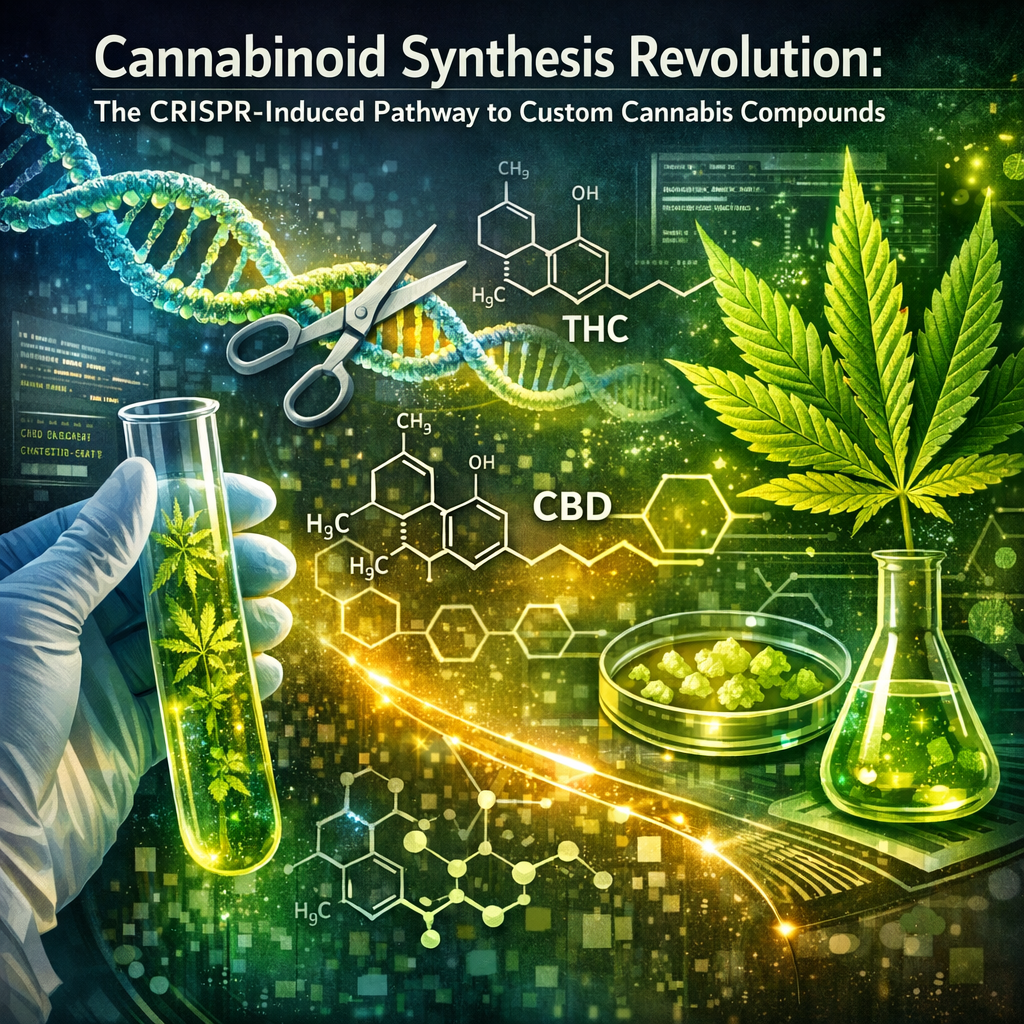
Cannabis’s versatility in medical treatment primarily stems from its active compounds, cannabinoids, of which THC (tetrahydrocannabinol) and CBD (cannabidiol) are the most well-known. THC is the psychoactive component, known for its ability to produce euphoria and alter sensory perception. In contrast, CBD is non-psychoactive and is renowned for its therapeutic potential, including anxiety reduction, seizure control, and inflammation management.
The potential applications of cannabis in neuropharmacology are vast, ranging from pain management and epilepsy treatment to helping alleviate symptoms of neurodegenerative diseases such as Alzheimer’s and Parkinson’s. However, the real promise of cannabis lies in its potential to create bespoke therapeutic options tailored to individual needs. As research into the neuropharmacological properties of cannabis progresses, personalized cannabis-based treatments could become a cornerstone of modern medicine, offering hope to those who have not found relief through conventional modalities.
Features:
In the quest for understanding cannabis’s role in neuropharmacology, several key studies have shed light on its potential applications. A pivotal study published in the Journal of Clinical Investigation explored how cannabinoids interact with the ECS to provide neuroprotective effects. This study highlighted that THC and CBD can reduce excitotoxicity, a pathological process associated with neurodegenerative disorders, by regulating the release of glutamate, a principal neurotransmitter involved in excitatory signaling.
Another groundbreaking research piece, published in Neurotherapeutics, delves into CBD’s anticonvulsant properties. The study outlines how CBD modulates various pathways, including those related to sodium and calcium channels, to diminish seizure activity in both preclinical and clinical trials. This has been particularly impactful in the treatment of rare forms of epilepsy, such as Dravet Syndrome and Lennox-Gastaut Syndrome, wherein traditional medications prove insufficient.
Moreover, a study in Frontiers in Neuroscience explored cannabis’s impact on neuroinflammation, a key and often disruptive participant in conditions like multiple sclerosis and chronic pain. It was found that cannabinoids significantly reduce cytokine release and microglial activation, critical steps in the neuroinflammatory cascade, thereby potentially curbing disease progression.
Lastly, ongoing clinical trials are examining the role of personalized cannabinoid therapy in mental health. One such study focuses on the differential effects of THC and CBD on anxiety and depression and how individual genetic markers might influence treatment outcomes. This approach aligns with the growing trend towards precision medicine, aiming to tailor therapeutic interventions to the genetic, environmental, and lifestyle factors specific to each patient. For further details, see Nature Partner Journals: Digital Medicine.
Conclusion:
In unraveling the neuropharmacology of cannabis, we pave the way toward a future where treatments are as unique as the individuals they serve. As research continues to uncover the intricate dance between cannabinoids and the human brain, the potential of cannabis as a tool for tailor-made therapeutics becomes increasingly apparent. Collaboration between scientists, clinicians, and patients will be vital in fully realizing the bespoke medical applications of this promising plant, ultimately transforming healthcare as we know it.
Concise Summary
Cannabis’s role in modern medicine is revolutionizing due to its potential for personalized treatments. The interactions between its cannabinoids, including THC and CBD, and the endocannabinoid system show promise in treating neurological and psychological disorders. Research highlights cannabis’s neuroprotective, anticonvulsant, and anti-inflammatory properties, offering hope for conditions like epilepsy and neurodegenerative diseases. As personalized cannabinoid therapies develop, understanding genetic and lifestyle impacts on treatment outcomes is key. This progression indicates a shift towards precision medicine, emphasizing the need for collaboration among stakeholders to maximize cannabis’s therapeutic potential.