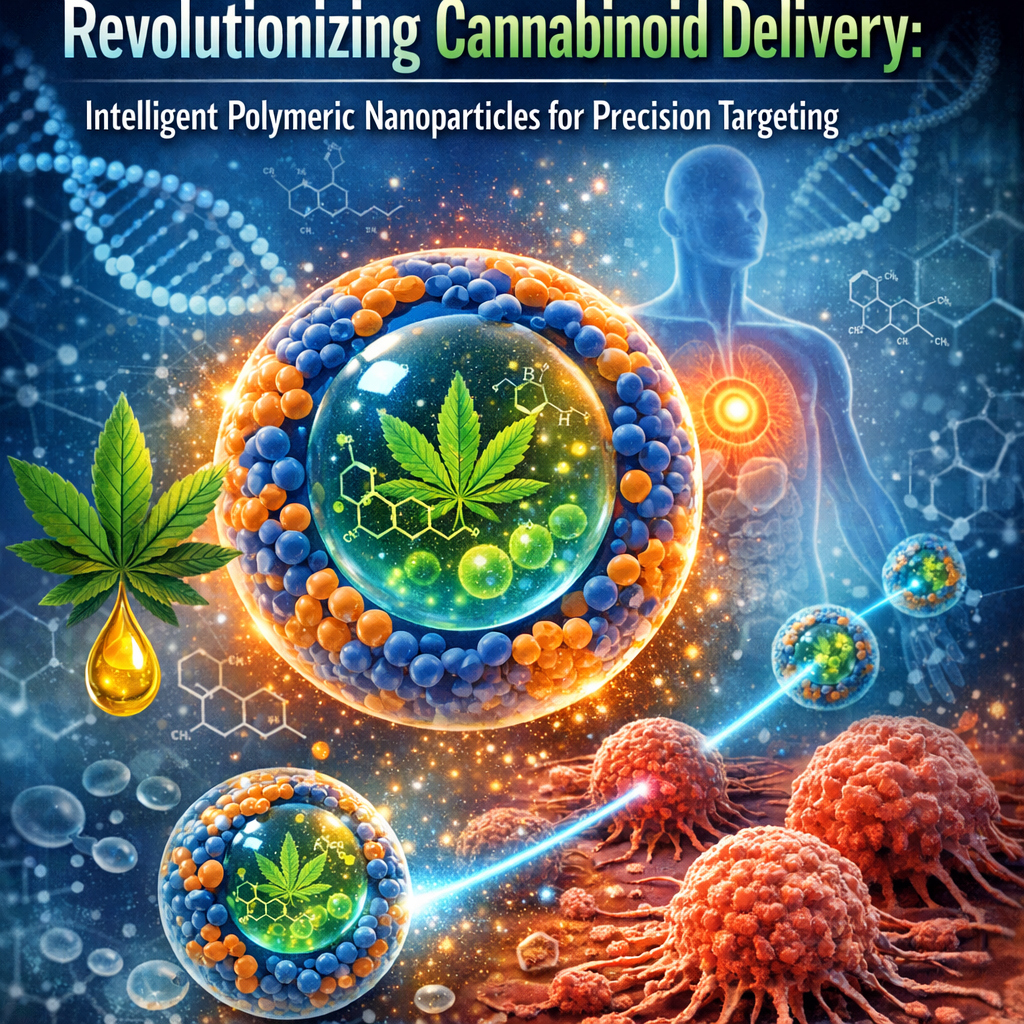
Revolutionizing Cannabinoid Delivery: Intelligent Polymeric Nanoparticles for Precision Targeting
Introduction
In recent years, the science of cannabinoid delivery has undergone a transformation, thanks to advances in nanotechnology. As the medical and recreational use of cannabis continues to rise, ensuring that patients and consumers derive the maximum benefit from cannabinoids like CBD and THC becomes critical. Traditional delivery methods, such as smoking or ingesting, often have drawbacks, including inconsistent bioavailability, delayed onset of effects, and unpredictable outcomes. Enter polymeric nanoparticles, a cutting-edge technology with the potential to revolutionize how cannabinoids are delivered and targeted within the body.
Polymeric nanoparticles are engineered particles composed of biodegradable polymers designed to carry and release drugs in a controlled manner. Their nanoscale size allows them to navigate biological environments more efficiently than larger particles. This aspect is particularly advantageous for cannabinoids, which face challenges in stability, solubility, and targeted delivery. With intelligent polymeric nanoparticles, cannabinoids can be encapsulated and protected, enhancing their stability and bioavailability while allowing for precise targeting to specific tissues or cells.
This precision targeting is key to unlocking the full therapeutic potential of cannabinoids. Whether for pain management, neurological disorders, or various other medical conditions, delivering cannabinoids exactly where they are needed within the body can significantly improve efficacy and reduce side effects. Researchers are exploring how these nanoparticles can cross the blood-brain barrier, access deeply embedded tissues, and even respond to specific physiological changes, ensuring that cannabinoids exert their effects exactly where necessary.
The burgeoning field of polymeric nanoparticles in cannabis delivery is supported by a growing body of research, promising a future where cannabinoid therapy is more effective and predictable than ever before. As the science progresses, cannabis professionals and consumers alike stand on the brink of a new era in cannabinoid utilization—one defined by precision, efficacy, and optimal therapeutic outcomes.
Features
Several ongoing studies have demonstrated the potential of polymeric nanoparticles to enhance the delivery of cannabinoids. One notable study from the [*Journal of Controlled Release*](https://www.sciencedirect.com/science/article/pii/S0168365919306739) explores the use of biodegradable polymeric nanoparticles for the oral delivery of CBD. According to the study, these nanoparticles significantly increased the bioavailability of CBD compared to traditional oral forms, with the potential to improve therapeutic outcomes for chronic pain and inflammatory conditions. By circumventing the first-pass metabolism in the liver, these nanoparticles can deliver higher concentrations of active cannabinoids to target areas within the body.
Another study published in [*Molecular Pharmaceutics*](https://pubs.acs.org/doi/10.1021/acs.molpharmaceut.0c00767) investigates the application of polymeric nanoparticles for the brain-targeted delivery of cannabinoids. The research highlights the potential to overcome one of the most significant barriers in cannabinoid therapy: the blood-brain barrier. Through surface modification and optimization of particle size, these nanoparticles can ferry cannabinoids directly to the brain, offering new possibilities for treating neurological disorders such as epilepsy, Alzheimer’s disease, and multiple sclerosis.
Moreover, recent advances include developing stimuli-responsive nanoparticles that release cannabinoids in response to specific physiological conditions, such as pH changes or temperature fluctuations. These intelligent systems ensure targeted delivery, where the release of CBD or THC occurs solely in the desired environment, minimizing systemic exposure and unwanted side effects. As detailed in a review in [*Nanomedicine: Nanotechnology, Biology, and Medicine*](https://www.nanomedjournal.com/article/S1549-9634(21)00274-0/fulltext), such innovations are setting the stage for a new generation of smart drug delivery systems in cannabinoid medicine.
These advancements are not just confined to academic research; several biotech companies are actively developing commercial applications of polymeric nanoparticles for cannabinoid delivery. As they transition from laboratory research to real-world applications, the effectiveness and safety of these systems must be thoroughly validated through clinical trials.
Conclusion
Intelligent polymeric nanoparticles represent a revolutionary leap in cannabinoid delivery technology. By enhancing bioavailability, ensuring precision targeting, and minimizing side effects, these nanoparticles hold the promise of more effective and predictable cannabis therapies. As research continues to unfold, both consumers and professionals in the cannabis industry are poised to benefit from the incredible potential of these cutting-edge delivery systems, paving the way towards more reliable and potent cannabinoid-based treatments.
Concise Summary
Polymeric nanoparticles are transforming cannabinoid delivery by enhancing bioavailability and enabling precise targeting of CBD and THC. These nanoparticles ensure more predictable and effective therapy by overcoming traditional delivery method challenges. They navigate biological environments efficiently, even crossing the blood-brain barrier to deliver cannabinoids where needed, like in neurological disorders. Advances include stimuli-responsive nanoparticles that release cannabinoids under specific physiological conditions. As research progresses and transitions to commercial applications, the safety and effectiveness of these systems are being validated through clinical trials, promising a future of optimized cannabinoid therapies.