Unlocking the Quantum Potential of Cannabis: A Revolutionary Approach to Molecular Precision and Drug Development
Introduction
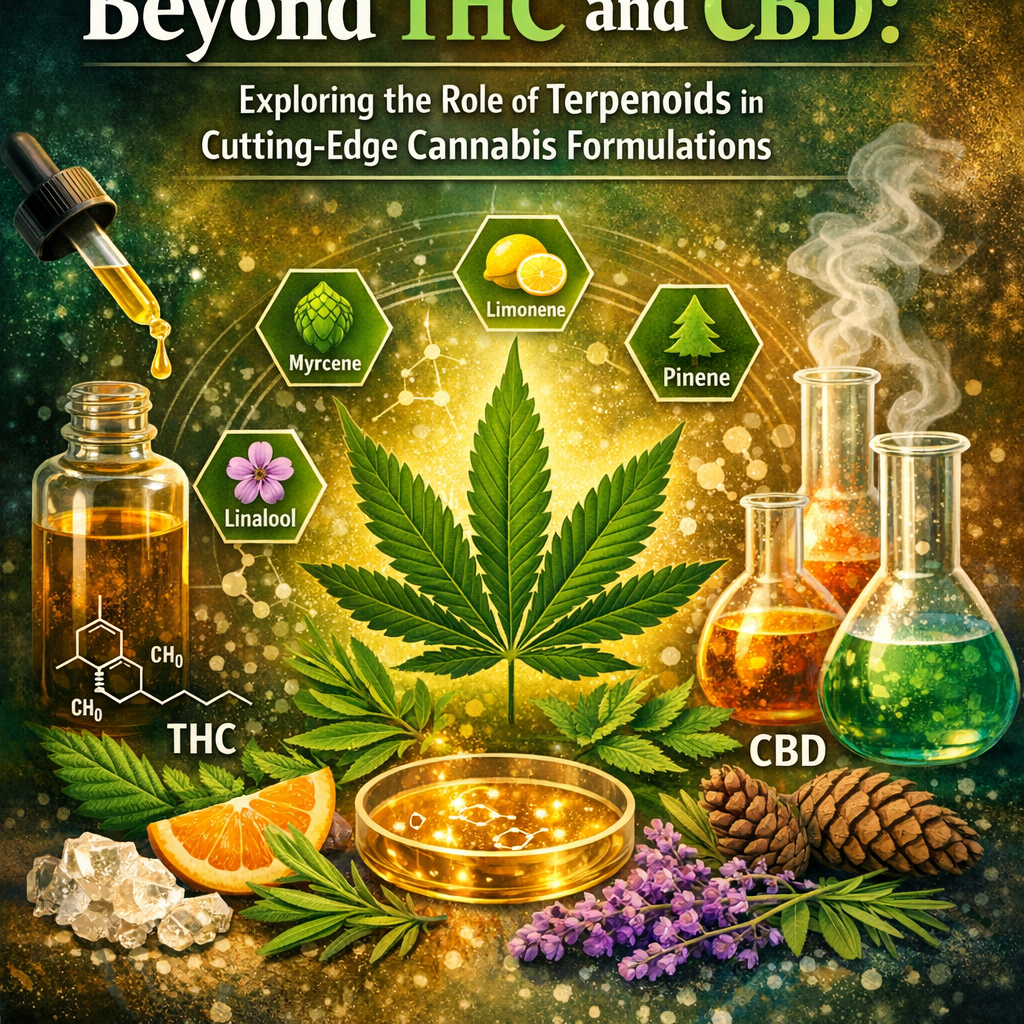
As science advances, cannabis emerges as a pivotal player in the realm of drug development. Once sidelined due to its controversial history, cannabis is now being recognized for its quantum potential. The plant’s diverse array of cannabinoids and terpenes presents a rich tapestry of molecular complexity promising precision therapies. Traditionally, the focus has been on THC (tetrahydrocannabinol) and CBD (cannabidiol). However, studies suggest these compounds function more effectively when combined. The entourage effect—a theory that cannabis compounds have enhanced effects together—has urged scientists to broaden their focus. Understanding these complex interactions at the quantum molecular level could revolutionize pharmaceutical developments.
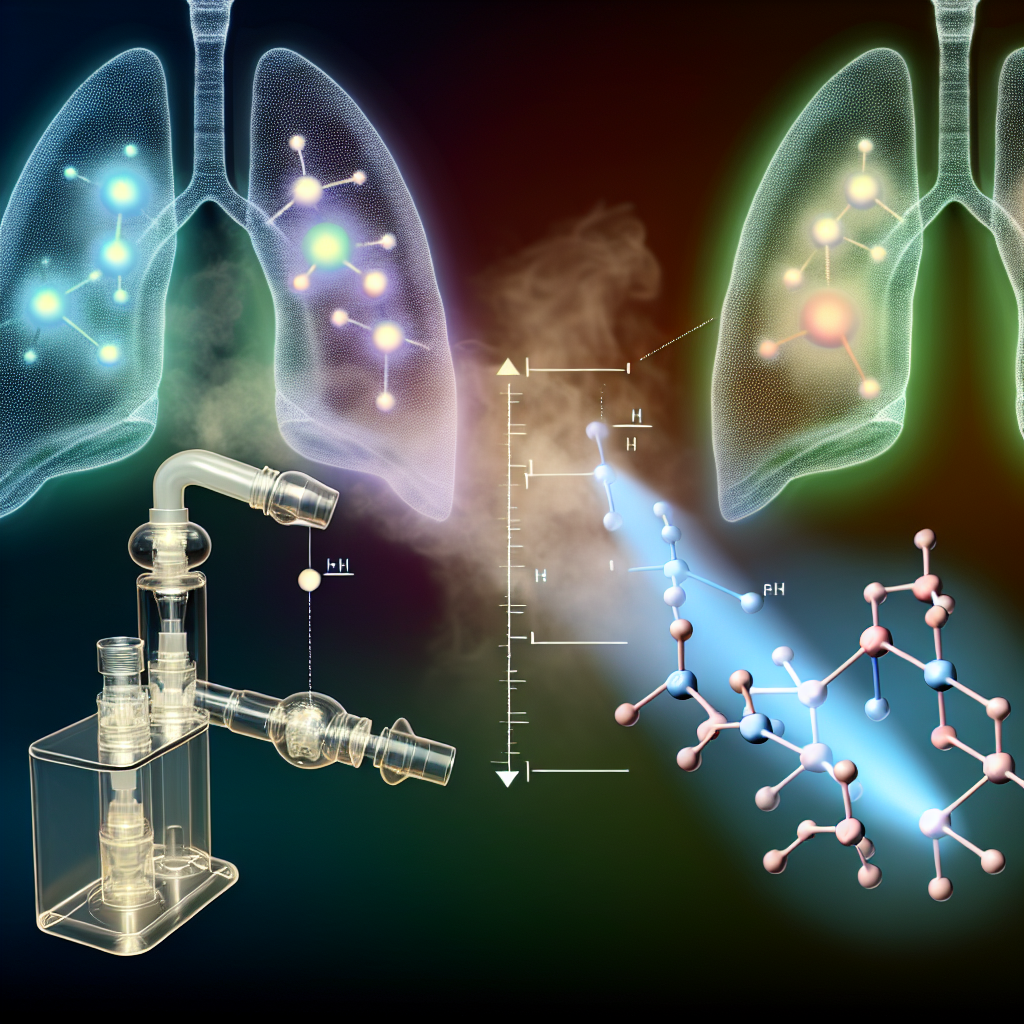
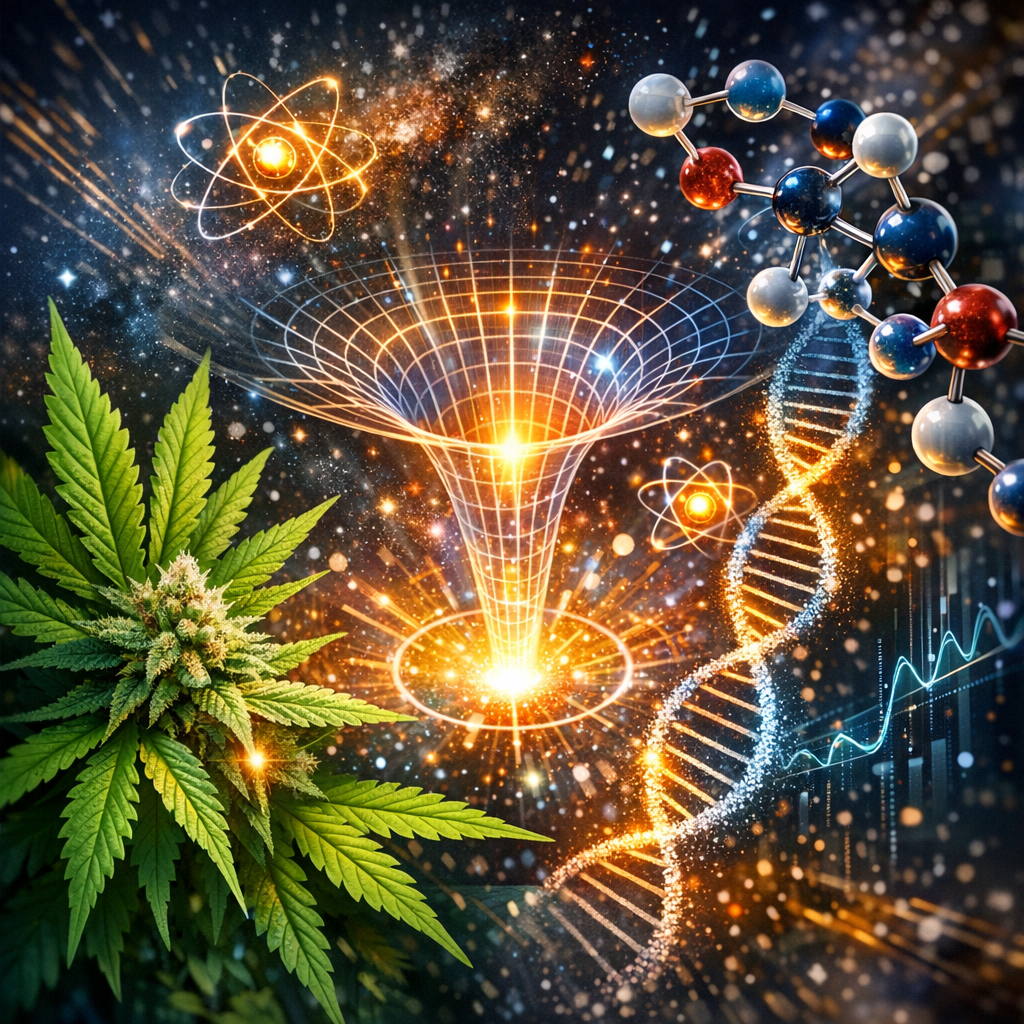
Incorporating quantum mechanics in cannabis studies offers numerous opportunities. Quantum mechanics explains molecule behavior at microscopic scales, allowing researchers to observe interactions at an atomic level. This could lead to innovative extraction methods and tailored formulations maximizing therapeutic efficacy while minimizing side effects. For example, manipulating the electron configuration and energy states of cannabinoids can create custom blends for conditions like chronic pain, epilepsy, anxiety, and cancer.
Furthermore, cannabis is an ideal landscape for exploring Systemic Quantum Resonance (SQR), which involves enhancing drug efficacy via resonance frequencies. With SQR, effectiveness can be significantly amplified, improving drug delivery and expanding precision medicine.
Features
Significant strides in understanding cannabis at a molecular level have been achieved. A groundbreaking study from the University of Colorado Boulder revealed cannabinoids interact with biological pathways by altering quantum states, affecting vibration frequencies and cellular interactions. This aligns with the theory that cannabinoids behave uniquely based on their quantum mechanics, making them prime candidates for custom molecular architectures. Further Canadian Institutes of Health Research exploration offers insights into the entourage effect, emphasizing interactions between THC, CBD, and lesser-known cannabinoids such as cannabigerol (CBG) and cannabichromene (CBC). This study suggests synergistic effects with multi-cannabinoid therapies over individual compounds.
Theoretical research on SQR, published in *Molecular Pharmacology*, underscores the quantum physics potential on cannabinoids. By manipulating frequency vibrations, researchers altered THC efficacy in cancer treatment models, achieving outcomes beyond traditional pharmacology.
These studies enhance our understanding of independent and interactive molecule behaviors, showcasing potential in addressing specific medical needs through quantum manipulation. They illuminate the pathway for highly-targeted cannabis therapies, advocating innovative applications beyond current pharmacological frameworks.
Conclusion
Exploring cannabis at a quantum level heralds a transformative era in drug development. Integrating quantum physics into cannabis research unlocks unprecedented potential for precision medicine—a leap redefining therapeutic possibilities globally. These advancements not only represent the future of cannabis but also the future of medicine.
References
– [University of Colorado Boulder Study](https://www.colorado.edu)
– [Canadian Institutes of Health Research](https://cihr-irsc.gc.ca)
– [Molecular Pharmacology](https://molpharm.aspetjournals.org)
Concise Summary
Cannabis is being re-evaluated for its quantum potential in drug development. Beyond THC and CBD, cannabis contains a complex mixture of cannabinoids and terpenes that, when understood at a quantum molecular level, could lead to precision therapies. Studies reveal significant interactions facilitated by quantum mechanics, enhancing therapeutic efficacy. Systemic Quantum Resonance offers new precision medicine opportunities by improving how cannabinoids are delivered. This research could revolutionize pharmaceutical developments, marking the dawn of a transformative era in medicine, offering novel solutions and improving global health outcomes.