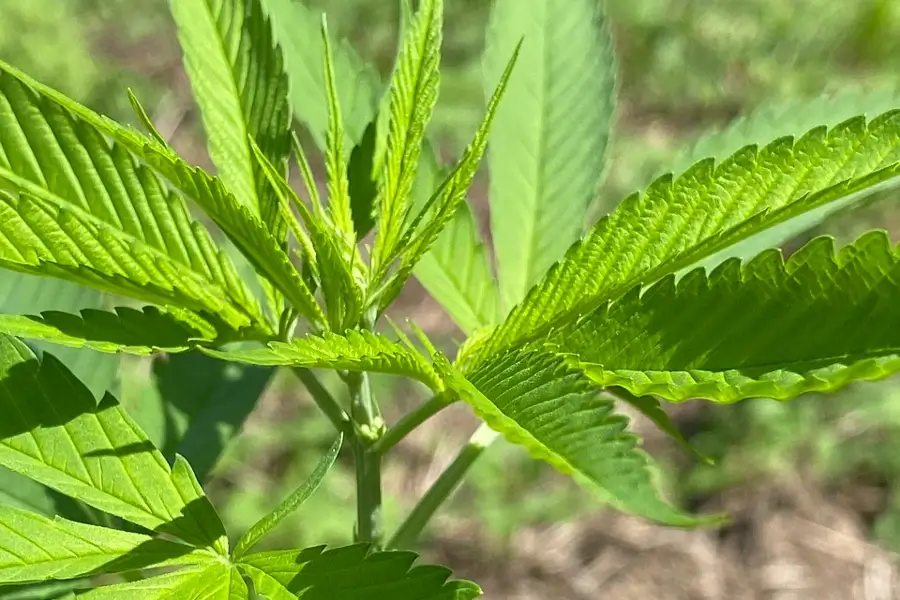
Harnessing CRISPR and Genomics to Revolutionize Cannabis Cultivation Techniques
Introduction
The world of cannabis cultivation is on the brink of a technological revolution that promises to reshape the industry from the ground up. At the heart of this transformation are CRISPR and genomics, two cutting-edge scientific advancements that have the potential to revolutionize how we grow and optimize cannabis plants. While traditional methods of cannabis breeding involve meticulous selection and crossbreeding over several generations, CRISPR technology allows for precise genetic editing, enabling scientists to make targeted changes at the DNA level. This has significant implications for the cannabis industry, allowing for the fine-tuning of plant characteristics such as potency, resistance to pests and diseases, and environmental adaptability.
Genomics, on the other hand, involves the comprehensive study of the entire genome of organisms, providing an in-depth understanding of genetic composition and its implications. By leveraging genomics, researchers can identify key genetic markers that drive desirable traits in cannabis plants. This paired with CRISPR technology offers the possibility of tailoring cannabis varieties to meet specific needs, whether it’s developing strains with unique cannabinoid profiles for medical purposes or creating hardy, high-yield plants for commercial cultivation.
The integration of these two technologies is poised to not only enhance the efficiency of cannabis cultivation but also bring about innovative applications in the medical, recreational, and industrial arenas. The burgeoning interest in *medical cannabis* has particularly fueled research into using genomics and CRISPR to develop strains with optimized therapeutic benefits. This article will delve into how CRISPR and genomics are being harnessed to transform cannabis cultivation techniques, the potential benefits of these technologies, and the current state of research in this exciting field.
Features
As the interest in *medical cannabis* swells, the ability to produce strains tailored to treat specific conditions becomes increasingly valuable. CRISPR, a tool for precise genomic editing, allows researchers to manipulate specific genes within the cannabis plant, potentially creating strains with desired levels of cannabinoids like THC, CBD, and other lesser-known compounds. For instance, studies have shown that the CRISPR-Cas9 system can be used to target and alter genes responsible for cannabinoid synthesis. According to a study published in [*Frontiers in Plant Science*](https://www.frontiersin.org/articles/10.3389/fpls.2020.576129/full), CRISPR can be used to knockout the THC synthase gene, thus enabling the production of high-CBD, low-THC strains which are preferred for certain therapeutic contexts. This precision in genetic editing reduces the time and guesswork involved in traditional crossbreeding methods.
Moreover, researchers are exploring how CRISPR technology can enhance the cannabis plant’s resistance to environmental stressors. A pivotal study highlighted the potential of using CRISPR to edit genes responsible for pathogen resistance, thereby creating cannabis strains that are less susceptible to diseases such as powdery mildew and root rot, which often plague cannabis cultivators. This aspect of genetic modification holds great promise for increasing yields and reducing the reliance on pesticides and fungicides, creating a more sustainable cultivation process ([*Plant Biotechnology Journal*](https://onlinelibrary.wiley.com/doi/full/10.1111/pbi.13377)).
On the genomics front, the sequencing of the cannabis genome has paved the way for identifying genetic markers related to important plant traits. For instance, a genomic study published in [*Nature Plants*](https://www.nature.com/articles/s41477-018-0210-3) examined the complex genetic architecture of cannabis, leading to the identification of hundreds of genetic markers associated with cannabinoid content, growth patterns, and flowering time. Such insights could drastically reduce the time needed to develop new strains with specific attributes.
By combining CRISPR and genomics, cannabis cultivators can theoretically create designer strains that cater to both medical and recreational markets. This could potentially result in strains with optimal terpene profiles for flavor and aroma, high adaptability to different growing conditions, or specific cannabinoids adjusted for consumer needs. Professionals in the cannabis industry are thus looking forward to a future where cultivation is not just an art form but a sophisticated science grounded in genetic precision.
Conclusion
The fusion of CRISPR technology and genomics heralds an exciting era in cannabis cultivation, promising to bring unmatched precision and efficiency to the development of new strains. With potential applications ranging from enhanced medicinal benefits to sustainable farming practices, harnessing these technologies could redefine the landscape of the cannabis industry. As research progresses and technology advances, the implications for growers, medical professionals, and consumers are bound to be profound, unlocking a new frontier of possibilities in the cannabis sector.
References
1. [*Frontiers in Plant Science*, CRISPR-Cas9 Mediated Genome Editing in Populus](https://www.frontiersin.org/articles/10.3389/fpls.2020.576129/full)
2. [*Plant Biotechnology Journal*, CRISPR-mediated Gene Editing for Climate-smart Crop Breeding](https://onlinelibrary.wiley.com/doi/full/10.1111/pbi.13377)
3. [*Nature Plants*, The Complex Genetic Architecture of the Cannabis Genome](https://www.nature.com/articles/s41477-018-0210-3)
Concise Summary
The integration of CRISPR and genomics technologies is set to transform cannabis cultivation. CRISPR enables precise genetic editing, allowing scientists to optimize traits such as potency and disease resistance. Meanwhile, genomics provides insights into the cannabis genome, identifying key genetic markers for desirable traits. Combining these technologies can lead to the creation of tailor-made cannabis strains for medical and recreational uses, enhancing efficiency and sustainability. As research continues to advance in this field, the implications for growers and consumers are promising, potentially revolutionizing the industry with innovative applications and new cannabis varieties.