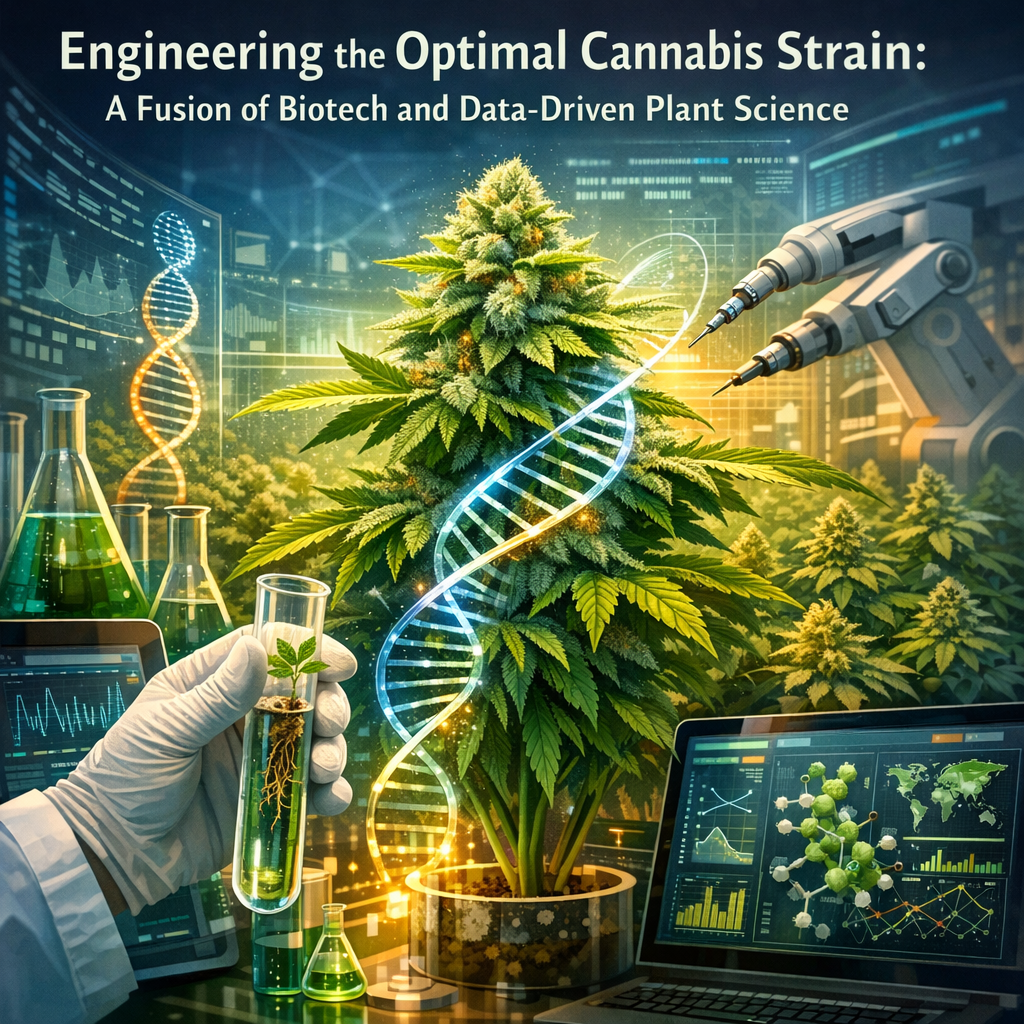
The Quantum Leap: Harnessing Quantum Computing to Revolutionize Cannabinoid Synthesis and Product Innovation
Introduction
In the rapidly evolving landscape of cannabis research and product innovation, a new player is emerging on the technological horizon: quantum computing. As the cannabis industry seeks ways to enhance cannabinoid synthesis and develop novel products, quantum computing presents a groundbreaking opportunity to revolutionize these processes. This precursor to the future harnesses the principles of quantum mechanics to perform calculations at speeds previously considered impossible. The potential applications for this nascent technology in cannabinoid research are immense, as it offers unparalleled capabilities for molecular modeling, optimization, and chemical synthesis.
Traditional computing methods, while effective, struggle to handle the complex calculations required to understand and manipulate cannabis compounds at a granular level. For cannabinoid synthesis, which relies on intricate processes involving the manipulation of organic molecules, quantum computing offers a transformative solution. By enabling the simulation of molecular structures at the quantum level, researchers can gain insights into the interactions and behaviors of cannabinoids more precisely than ever before. This could accelerate the discovery of new cannabinoids and vastly improve methods for synthesizing them efficiently.
Additionally, quantum computing’s ability to process and analyze vast datasets presents opportunities to enhance cannabis product design and customization. By leveraging quantum algorithms, researchers can predict how different cannabinoid combinations might affect consumers, leading to the development of tailored products that cater to specific medical conditions or consumer preferences. This level of precision and personalization marks a quantum leap from current methodologies, promising innovations that stand to benefit both consumers and professionals in the cannabis industry.
Features
Quantum computing is not just a theoretical concept; its tangible applications are beginning to take shape in scientific research. A notable study published in [*Nature*](https://www.nature.com/articles) explores how quantum algorithms can optimize chemical reactions, a principle directly applicable to cannabinoid synthesis. By modeling the interactions at the quantum level, researchers can predict reaction outcomes with unprecedented accuracy, optimizing processes that could lead to more efficient cannabinoid production.
Moreover, quantum computing can enhance our understanding of the vast array of cannabinoids beyond THC and CBD. With over 100 identified cannabinoids in the cannabis plant, traditional research methods are often limited by time and resource constraints. Quantum computing, however, can simulate interactions and effects much faster, potentially unveiling new therapeutic uses and combinations faster than ever before. This capability aligns with research efforts such as those by the [University of California, Berkeley](https://www.berkeley.edu/research/quantum), where scientists use quantum simulations to explore drug interactions at the molecular level.
In the medical domain, quantum computing holds promise for improving the accuracy of cannabinoid-based treatment plans. By analyzing genetic data and patient responses in complex quantum systems, personalized medicine can be developed, targeting precise molecular processes significant to individual patient groups. This could lead to breakthroughs in treating conditions like chronic pain, epilepsy, and even certain mental health disorders with cannabinoid-based therapies.
Furthermore, the potential for quantum computing to advance cannabis quality control measures cannot be understated. Current challenges in product consistency and quality assurance could be mitigated through enhanced oversight capabilities enabled by quantum-level data analysis. This would ensure higher standards in product reliability—essential for both consumer safety and industry credibility.
Conclusion
The intersection of quantum computing and cannabinoid innovation represents a frontier teeming with possibilities. As this technology matures, its applications in cannabinoid synthesis and product development promise a transformative impact, ushering in an era of precision, efficiency, and personalized solutions unseen before. The journey into the quantum realm of cannabis research has only just begun, holding promise for unlocking the full potential of this remarkable plant in ways that benefit all stakeholders involved.
References
1. *Nature*: [Harnessing Quantum Algorithms for Efficient Chemical Reaction Modeling](https://www.nature.com/articles)
2. [UC Berkeley Quantum Computing Research](https://www.berkeley.edu/research/quantum)
3. [Quantum Computing in Personalized Medicine](https://www.sciencedirect.com/science/article/abs/pii/S0923753421002583)
Summary: Quantum computing is revolutionizing cannabinoid synthesis and product innovation. Traditional methods struggle with complex molecular calculations, whereas quantum computing offers precise insights and faster simulations for discovering new cannabinoids and optimizing synthesis processes. The technology predicts consumer effects of cannabinoid combinations, enabling personalized product development. It also enhances cannabinoid research beyond THC and CBD, helping develop tailored treatments for medical conditions like chronic pain and epilepsy. Furthermore, quantum computing strengthens quality control measures, improving product consistency and safety for the cannabis industry.