Beyond THC and CBD: Unveiling the Hidden Pharmacological Power of Terpenes in Next-Gen Cannabis Therapies
Topic Introduction
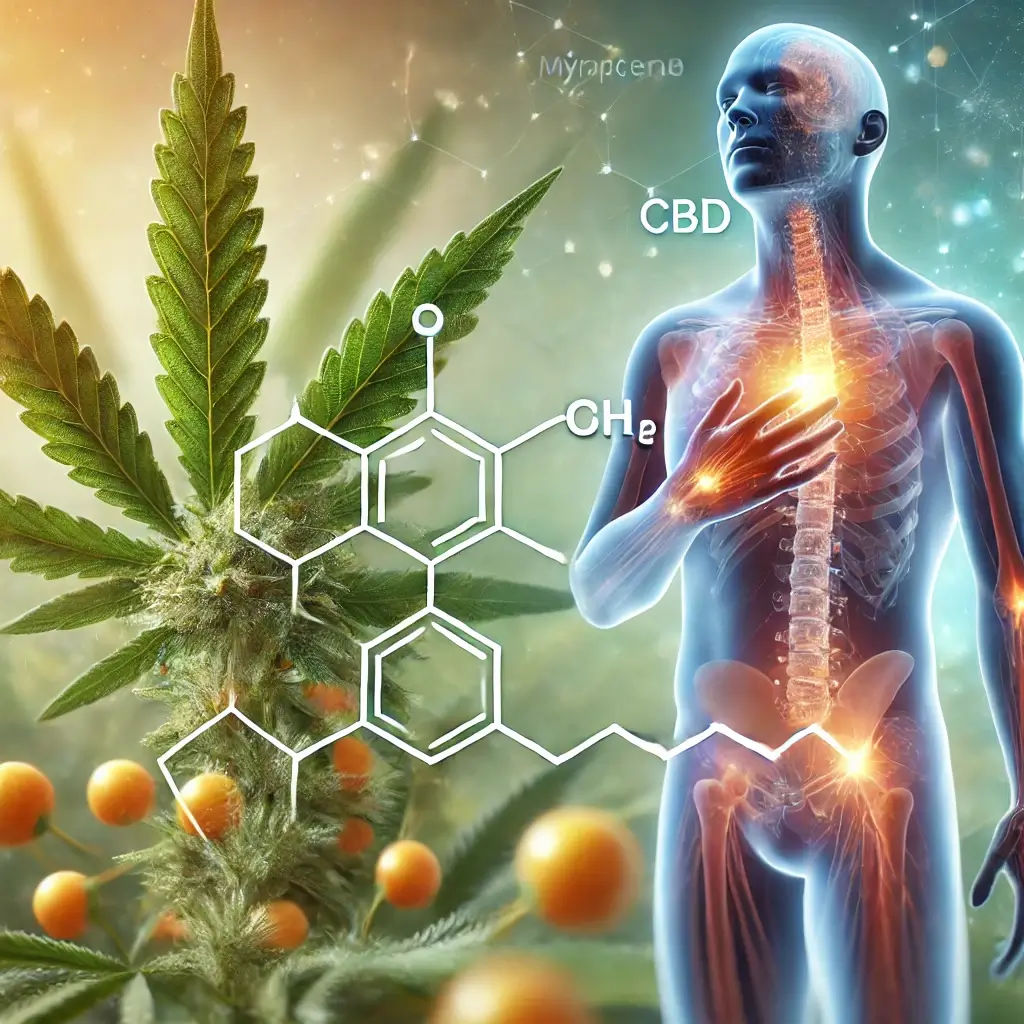
In the rapidly evolving landscape of cannabis therapeutics, much attention has been paid to the prominent cannabinoids, THC (tetrahydrocannabinol) and CBD (cannabidiol). These compounds have largely dominated the conversation due to their well-documented effects and therapeutic potential. However, as research deepens and the cannabis industry matures, attention is turning toward a group of compounds that have been understudied yet offer a plethora of therapeutic possibilities: terpenes. These aromatic compounds, responsible for the distinct scents and flavors of different cannabis strains, are emerging as significant players in the pharmacology of cannabis.
Terpenes are naturally occurring compounds found in a myriad of plants, and they serve as the primary constituents of essential oils. In cannabis, they contribute more than just fragrance and flavor; they interact synergistically with cannabinoids, a phenomenon often referred to as the “entourage effect.” This effect suggests that the combined presence of cannabinoids and terpenes can potentially enhance therapeutic efficacy compared to isolated compounds.
Beyond their aromatic allure, terpenes like myrcene, limonene, pinene, and linalool have been identified as having intriguing pharmacological properties. Studies have suggested that these compounds may offer anti-inflammatory, analgesic, anxiolytic, and antimicrobial effects. As the cannabis industry continues to expand and innovate, the exploration of terpenes’ roles in health and wellness is opening new pathways for the development of next-generation cannabis therapies. Integrating terpenes into healthcare practices represents not just a novel approach, but also a shift towards a more holistic understanding of plant medicine.
For consumers and professionals alike, this burgeoning area of research unlocks a deeper appreciation of the complexity and potential of the cannabis plant. Terpenes are more than mere aroma molecules; they may represent a key to unlocking new therapeutic avenues, refining cannabis-based interventions, and offering tailored solutions for individual health needs. As science catches up with the anecdotal evidence, terpenes stand to transform perceptions and applications of cannabis therapies well beyond the traditional focus on THC and CBD.
Features
The potential therapeutic applications of terpenes are garnering attention from both the scientific community and the cannabis industry. A growing body of research is beginning to dissect the pharmacological effects of these compounds, shedding light on their ability to complement and enhance traditional cannabinoid-based therapies. For instance, a study published in the journal [*Frontiers in Neurology*](https://www.frontiersin.org/articles/10.3389/fneur.2018.00804/full) highlights the synergistic effect of cannabinoids and terpenes, indicating that their combination could improve effectiveness in relieving pain and reducing inflammation without the psychoactive effects of THC alone (Baron, 2018).
One well-studied terpene is myrcene, which is abundant in hops, lemongrass, and cannabis itself. Research suggests it may have muscle relaxant and sedative effects, potentially enhancing the sleep-inducing properties of certain cannabis strains. This makes it particularly valuable for individuals suffering from insomnia or sleep disturbances ([*Surendran et al., 2013*](https://www.hindawi.com/journals/aps/2013/627032/)).
Limonene, another common cannabis terpene, is known for its uplifting and stress-relieving properties. A study in [*Advances in Pharmacological Sciences*](https://www.hindawi.com/journals/aps/2013/910421/) noted limonene’s potential anxiolytic effects, suggesting it could serve as a natural therapeutic agent for anxiety disorders ([Lima et al., 2013](https://www.hindawi.com/journals/aps/2013/910421/)). Furthermore, its antimicrobial and anti-inflammatory properties make it a compound of interest for broader pharmaceutical applications.
Pinene, with its crisp, piney aroma, has been studied for its bronchodilator effects and potential to enhance focus and memory retention. This terpene may counteract some of the short-term memory deficits associated with THC, offering an intriguing layer of complexity to cannabis formulation strategies ([*Salehi et al., 2019*](https://www.mdpi.com/2218-273X/9/11/738)).
Linalool, present in lavender and cannabis, is known for its calming effects and is under investigation for its potential benefits in managing anxiety and depression. Its incorporation into cannabis products could enhance the plant’s therapeutic profile, providing a well-rounded approach to mental health care ([*Buchbauer et al., 2019*](https://journals.sagepub.com/doi/full/10.1177/1934578X1901400914)).
Conclusion
As research into terpenes expands, so too does our understanding of their potential in next-gen cannabis therapies. These aromatic compounds not only enhance the sensory experience of cannabis products but also offer unique and powerful pharmacological benefits. By fostering an integrated approach to cannabis-based treatments that includes terpenes, we can unlock new, more effective ways to support health and well-being, paving the way for personalized and holistic therapeutic interventions.
References
– Baron, E. P. (2018). Medicinal properties of terpenes found in Cannabis sativa and Humulus lupulus. [*Frontiers in Neurology*](https://www.frontiersin.org/articles/10.3389/fneur.2018.00804/full)
– Surendran, S., et al. (2013). A comprehensive review on the chemical constituents and pharmacological properties of *Myrcia* spp.: a promising source for drug discovery. [*Advances in Pharmacological Sciences*](https://www.hindawi.com/journals/aps/2013/627032/)
– Lima, N. G. P., et al. (2013). Limonene reduces anxiety-like behavior in *Danio rerio*. [*Advances in Pharmacological Sciences*](https://www.hindawi.com/journals/aps/2013/910421/)
– Salehi, B., et al. (2019). Therapeutic potential of α- and ß-pinene: A miracle gift of nature. [*Biomolecules*](https://www.mdpi.com/2218-273X/9/11/738)
– Buchbauer, G., et al. (2019). Aromatherapy: Evidence for sedative effects of the essential oil of lavender after inhalation. [*Natural Product Communications*](https://journals.sagepub.com/doi/full/10.1177/1934578X1901400914)
Concise Summary:
This article explores the unexplored potential of terpenes in cannabis therapies, expanding beyond the well-known cannabinoids, THC and CBD. As research widens, terpenes’ synergistic effects with cannabinoids through the “entourage effect” are highlighted for their enhanced therapeutic potential. Compounds like myrcene, limonene, pinene, and linalool offer promising benefits ranging from anti-inflammatory to anxiolytic and neuroprotective effects. By incorporating terpenes, the cannabis industry is paving the way for advanced, personalized, and holistic therapeutic interventions, offering new solutions to health and wellness challenges.