Beyond THC: Engineering Cannabis Oils with Sustainable Algae-Derived Terpenes
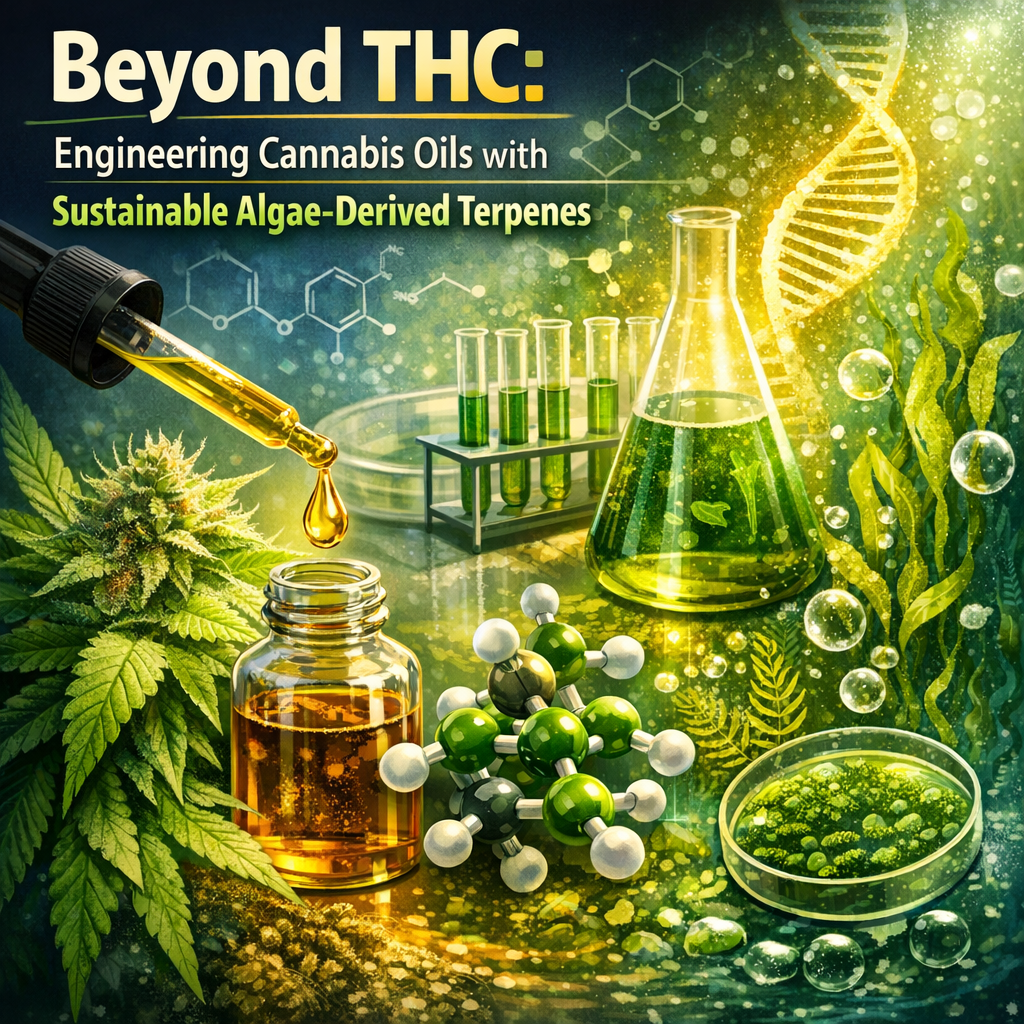
The cannabis industry has undergone significant transformations in recent years, driven by innovations that extend far beyond the mere cultivation and consumption of marijuana. One such advancement is the development of cannabis oils infused with algae-derived terpenes. Terpenes are the aromatic compounds responsible for the unique scent profiles of cannabis and many other plants. These compounds play an integral role not only in flavor profiles but also in enhancing the therapeutic benefits of cannabinoids like THC and CBD. Traditionally, terpenes have been extracted directly from the cannabis plant, but recent strides in biotechnology have shifted focus toward sustainable and scalable sources such as algae.
Algae, known for its sustainability and rapid growth rate, presents a novel solution for terpene production. Unlike traditional agricultural methods, algae cultivation requires little water and can be produced in systems that do not encroach upon arable land. As climate change concerns drive the demand for more eco-friendly practices, algae serves as a promising alternative for creating sustainable cannabis products. Researchers have bioengineered specific strains of algae to produce high yields of essential terpenes, matching the complex aroma profiles typically derived from larger plant sources. These algae-derived terpenes can then be integrated into cannabis oils, offering enhanced flavors and potentially heightened therapeutic effects without the environmental toll associated with traditional agriculture.
The use of algae-derived terpenes in cannabis oils is gaining traction not just for their sustainability but also for their potential to improve product consistency and safety. Unlike plants, algae are less susceptible to environmental fluctuations, pests, and diseases, leading to a more stable production process. This consistency ensures that consumers receive products with uniform terpene profiles and potency, even as the demand for cannabis-based products continues to grow globally. As both medical and recreational cannabis markets expand, innovations like algae-derived terpenes could redefine industry standards, emphasizing a balance between product quality and environmental stewardship.
Features: Professional and Medical Studies
Several studies and trials underscore the myriad benefits associated with enhancing cannabis oils with algae-derived terpenes. Recent research highlights the role of terpenes in the ”entourage effect,” a phenomenon where cannabis compounds work synergistically to produce a more significant impact than isolated components. A study published in the journal [*Frontiers in Neurology*](https://www.frontiersin.org/articles/10.3389/fnins.2019.00918/full) found that terpenes could potentially complement the effects of cannabinoids in managing chronic pain and inflammation. This research aligns with the premise that algae-derived terpenes can serve as efficient enhancers of cannabis’ therapeutic potential.
The sustainable nature of algae-derived terpenes further attracts attention from environmental researchers. Studies conducted at institutions like the [University of California, Berkeley](https://news.berkeley.edu/2019/04/16/algae-produced-terpenes/) have focused on the bioengineering of microalgae to produce specific terpenes efficiently. The research demonstrates not only the feasibility of algae as a prolific source of terpenes but also the potential for genetic manipulation to tailor these compounds to exact specifications, making them particularly attractive for commercial production.
Researchers are also exploring the safety profile of algae-derived terpenes in comparison to traditional plant-based sources. A study in [*Environmental Science & Technology*](https://pubs.acs.org/doi/abs/10.1021/acs.est.5b03095) suggests that algae cultivation, being less dependent on pesticides and fertilizers, might produce purer end products with fewer contaminants. This aspect is particularly important for medical cannabis users who rely on purity and potency for therapeutic efficacy.
Moreover, the scalability of algae’s production process cannot be overstated. Unlike terrestrial plants, algae can be cultivated in various environments, including closed bioreactors, which significantly reduce resource consumption and environmental impact. This advantage is pivotal as the cannabis industry faces increasing scrutiny over its ecological footprint.
Conclusion
The integration of algae-derived terpenes into cannabis oils represents a groundbreaking step in the evolution of cannabis products, offering a harmonious balance between environmental responsibility and enhanced consumer experience. As the science around cannabis and sustainable agriculture matures, algae-derived terpenes might very well become the new standard, advancing the industry towards a path of innovation and ecological mindfulness.
References
1. Russo, E. B. (2011). Taming THC: potential cannabis synergy and phytocannabinoid-terpenoid entourage effects. [*British Journal of Pharmacology*](https://bpspubs.onlinelibrary.wiley.com/doi/full/10.1111/j.1476-5381.2011.01238.x).
2. [*Frontiers in Neurology*](https://www.frontiersin.org/articles/10.3389/fnins.2019.00918/full). Terpenoids from Plants and Fungi: A Comprehensive Review on Terpenes and Terpenoids with Potential Presentation of the Entourage Effect.
3. [*University of California, Berkeley*](https://news.berkeley.edu/2019/04/16/algae-produced-terpenes/). Researchers produce high-value compounds sustainably by bioengineering algae.
4. [*Environmental Science & Technology*](https://pubs.acs.org/doi/abs/10.1021/acs.est.5b03095). Commercial Algae Production and the Treatment of Acidic Mine Drainage.
Concise Summary:
This article explores the advancements in the cannabis industry through the integration of algae-derived terpenes in cannabis oils. Algae serves as a sustainable, rapid-growing alternative to traditional terpene extraction methods, offering eco-friendly and scalable production. Algae-derived terpenes enhance flavor and therapeutic effects of cannabinoids like THC and CBD, providing consistent, pure, and safe products. Research underscores their role in the “entourage effect,” and studies from institutions like UC Berkeley highlight their potential. This innovation could set new standards in the cannabis industry by aligning product quality with environmental sustainability.