Cannabinoid Bioreactor Breakthroughs: Engineering THC and CBD in Yeast and Bacteria
Introduction
The cannabis industry is evolving into a high-tech sector, leveraging cutting-edge scientific advances to boost yield, quality, and efficiency. Among these advances, the engineering of cannabinoids in microbial systems such as yeast and bacteria holds groundbreaking potential. By shifting cannabinoid production from the plant to the lab, scientists aim to simplify production of THC (tetrahydrocannabinol) and CBD (cannabidiol), offering scalable solutions to meet rising demand. Traditional extraction methods are labor-intensive and subject to agricultural issues. Synthetic biology presents new opportunities, allowing microorganisms to be reprogrammed to produce cannabinoids through DNA recombination technologies. This ensures consistent and ecologically sustainable production.
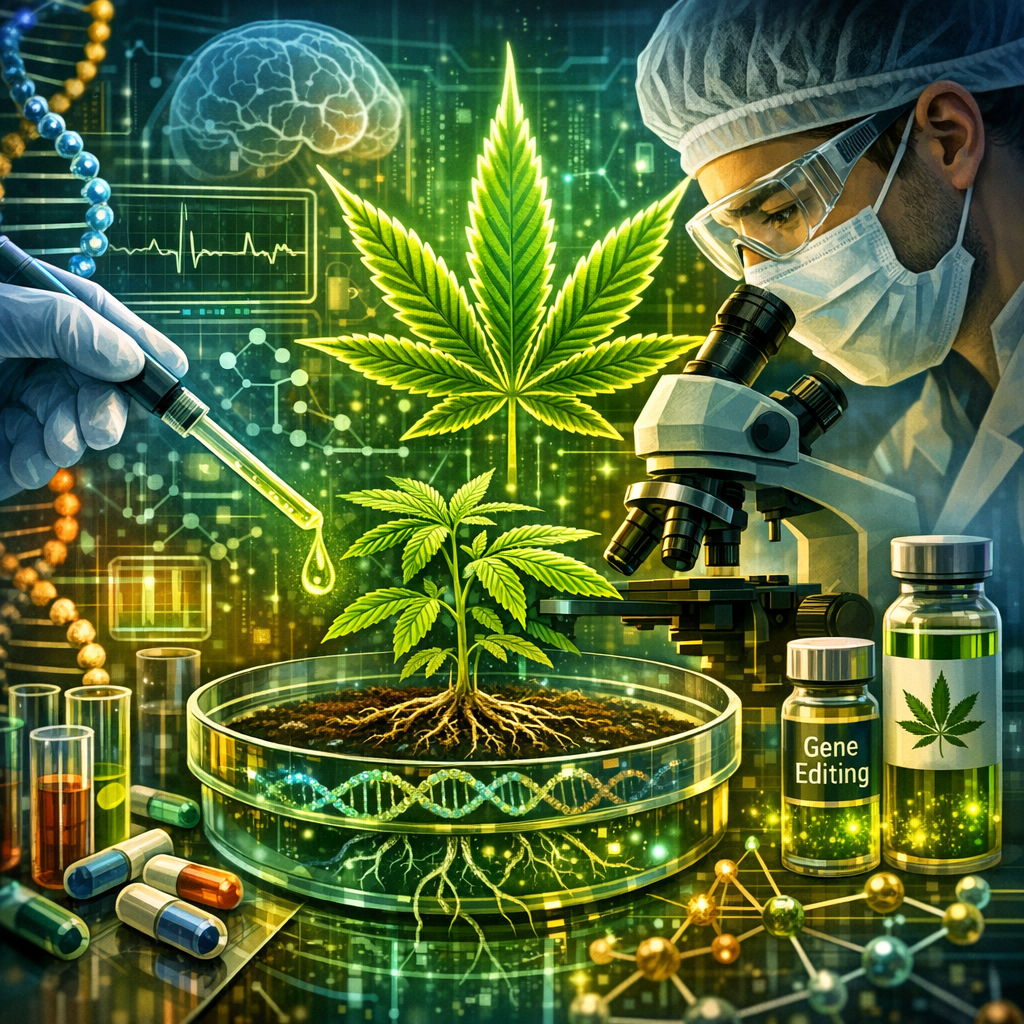
Breakthroughs in bioreactor technology are focused on genetically engineering strains of yeast and bacteria to serve as ‘living factories’ for cannabinoid production. The rapid multiplication of these organisms leads to efficient industrial-scale production. Inserting plant genes responsible for cannabinoid synthesis into microbial genomes allows these organisms to utilize their natural fermentation capabilities for cannabinoid production.
The implications of these innovations are vast. For consumers, this translates to lower prices, greater quality control, and assurance of purity and consistency in cannabinoid products. For the medical field, efficient production of cannabinoids facilitates extensive research into their therapeutic potential, potentially leading to new treatments.
Features
Professional and medical studies into bioengineered cannabinoids have demonstrated the efficacy of this production method. In 2019, a significant study published in *Nature* outlined the successful engineering of yeast to produce both THC and CBD. By inserting complex genetic pathways from the *Cannabis sativa* plant into Saccharomyces cerevisiae, yeast was able to produce these cannabinoids directly from sugar. This ensures efficient production unaffected by environmental factors. [Read study](https://www.nature.com/articles/s41587-019-0191-4).
The University of California, Berkeley, is exploring the use of bacteria, specifically E. coli, modified to produce cannabinoid compounds. Their research benefits from bacteria’s rapid growth rate and well-studied genetics, optimizing production further. Early results suggest that bacteria may offer another alternative for cannabinoid production, enhancing yield and reducing costs. [Explore UC Berkeley’s research](https://news.berkeley.edu/2019/02/27/scientists-hack-bread-yeast-to-make-key-cannabis-compounds/).
Medical studies regarding cannabinoids produced through microbial synthesis hold immense promise. The controlled environment of a bioreactor allows precise manipulation of cannabinoid profiles, aiding in constructing novel therapeutic agents tailored for specific diseases, paving the way for personalized medicine.
Conclusion
Engineering THC and CBD in yeast and bacteria represents a significant leap towards more sustainable and efficient cannabinoid production. As research expands, bioreactor-derived cannabinoids may soon be a staple in the cannabis market, setting new standards for quality and innovation. For further reading, explore [Biotech Innovations in Cannabis Production](https://www.forbes.com/sites/monazhang/2019/11/20/yeast-produced-cbd-to-hit-the-market-next-year/).
—
Concise Summary:
The cannabis industry is advancing with synthetic biology innovations to produce THC and CBD through yeast and bacteria, bypassing traditional farming methods. This approach offers improved efficiency, environmental sustainability, and cost-effectiveness. Breakthroughs in bioreactor technology enable microorganisms to become ‘living factories’ for cannabinoids, ensuring consistent quality and scalability. These developments hold significant potential for consumer benefits and medical applications, possibly revolutionizing the industry. Studies have successfully demonstrated cannabinoid production in microbial systems, signaling a promising future for biotech-driven cannabis production.