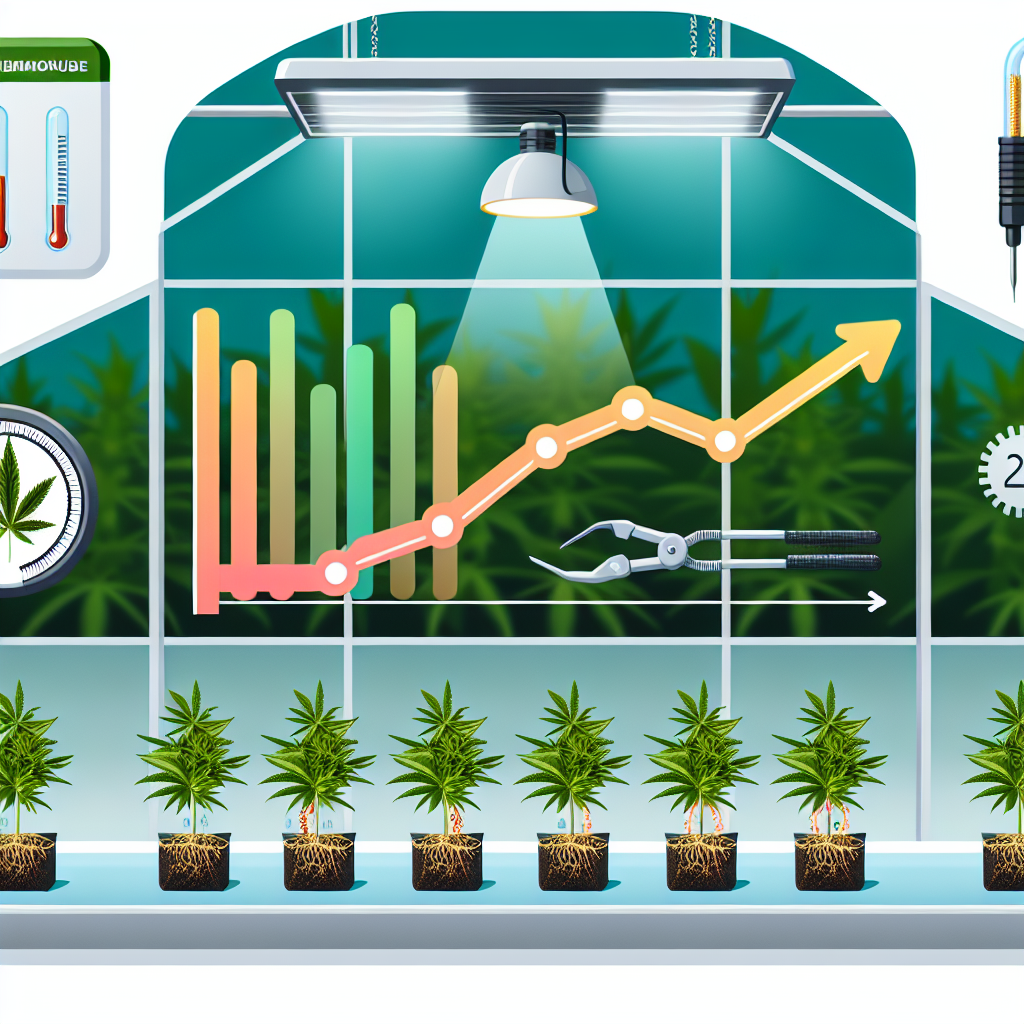
Cutting-Edge Genomics: The Next Wave of Cannabis Plant Precision Breeding
Introduction
In recent years, the momentum behind cannabis research and cultivation has accelerated substantially, driven by legal changes and increasing public acceptance. As the industry continues to evolve, so does the desire for more precise cultivation methods that optimize yield, efficacy, and consumer enjoyment. Enter the realm of genomics, a branch of molecular biology focused on the structure, function, evolution, and mapping of genomes. This burgeoning field promises to revolutionize cannabis cultivation through precision breeding, enabling the creation of strains with specific desired traits while minimizing undesirable ones.
Cannabis has a long history of use for medicinal, recreational, and industrial purposes, but its potential is just beginning to be fully realized. Traditional breeding methods, which often involve a time-consuming process of trial and error, are increasingly replaced or supplemented by genomic technologies. These advanced methodologies allow breeders to understand the genetic foundation of the plant at a molecular level, creating opportunities to build multi-faceted profiles for cannabis strains that can benefit a wide range of stakeholders from consumers to medical professionals.
One of the significant aspects of cannabis genomics is the potential for targeted cannabinoid and terpene profiles. These compounds are responsible for the therapeutic and psychoactive effects of the plant and influence its aromatic properties. Through genomics, breeders can enhance specific cannabinoid levels, such as THC, CBD, or minor cannabinoids like CBG and THCV, to fine-tune their therapeutic efficacy and consumer effects. In the same vein, understanding terpene biosynthesis pathways allows for the creation of strains with desired flavors and aromas that appeal to particular consumer preferences.
The power of genomics extends beyond consumption and into cultivation conditions as well. By decoding the genetic markers associated with traits like pest resistance, drought tolerance, or flowering time, scientists and cultivators can achieve more efficient and sustainable agricultural practices. This, in turn, can lead to environmentally friendlier cannabis farming methods and expand cultivation into regions previously deemed unsuitable for cannabis growth.
Features
The use of genomics in cannabis precision breeding is underpinned by various professional and medical studies, demonstrating its transformative potential. One prominent study conducted by researchers from the University of Toronto published in the journal *Nature Plants* shed light on the cannabis genome and its implications for breeding. This study mapped the genome of *Cannabis sativa* and provided insights into the genetic basis of psychoactivity and cannabinoid production, establishing a foundation for further genomic research.
Another pivotal study by the University of Colorado focused on sequencing cannabinoid synthase genes, essential for the biosynthesis of cannabinoids like THC and CBD. These findings have allowed breeders to identify genetic markers linked to higher potency and customized cannabinoid profiles, facilitating more specialized breeding programs.
Additionally, medical research highlights the intersection of genomics and therapeutic applications of cannabis. A study published in *The Plant Journal* underlines the potential for genomic tools to enhance the medicinal utility of cannabis by refining specific pharmacologically active compounds. Such advancements are crucial as they could lead to the development of new, more effective cannabis-based treatments for a range of diseases including epilepsy, chronic pain, and multiple sclerosis.
While genomics holds much promise, the research must progress ethically and sustainably. The establishment of genomic libraries and databases, like those initiated by Phylos Bioscience, can serve as valuable resources for breeders while ensuring data transparency and accessibility. Furthermore, collaboration between countries and institutions would foster broader genetic diversity and improve the global understanding of cannabis genomics, driving innovation across the sector.
Conclusion
As genomics continues to reshape the landscape of cannabis breeding, the possibilities for science-backed, precision-engineered strains offer a glimpse into the future of this dynamic industry. Through harnessing the power of genetic insights, breeders can create more tailored and effective cannabis products, supporting medical advancements and catering to the evolving needs and tastes of consumers. The harmonious blend of science and nature, facilitated by cutting-edge genomic technologies, defines the next wave of cannabis innovation—one where precision and personalization are paramount.
Concise Summary
Cannabis genomics is revolutionizing precision breeding by enabling the creation of strains with specific traits while minimizing undesirable ones. This advancement allows for targeted cannabinoid and terpene profiles, improving therapeutic efficacy and consumer appeal. Genomics also enhances cultivation by identifying genetic markers for traits like pest resistance and drought tolerance. Essential studies from the University of Toronto and the University of Colorado provide foundational insights. Ethical research practices and global collaboration are essential to maximize the potential of this transformative field.