The Quantum Potential of Cannabis: Exploring Quantum Dots in Enhanced Cannabinoid Delivery Systems
Introduction
In the ever-evolving landscape of cannabis research and application, the quest for maximizing the efficiency and efficacy of cannabinoid delivery systems is gaining unprecedented traction. As cannabis continues to cement its status as a therapeutic powerhouse, consumers and professionals alike are exploring the frontiers of technology to enhance its benefits. One such frontier is the intersection of cannabis science with quantum physics—a seemingly unlikely marriage that is now the focus of cutting-edge research. At the core of this intersection lies the concept of quantum dots, which have the potential to revolutionize the way cannabinoids are delivered into the human system.
Quantum dots, nanometer-sized semiconductor particles, exhibit unique electronic properties due to their size and are poised to sharpen the precision of drug delivery systems across medical fields. Their application in cannabinoid delivery systems could redefine bioavailability, ensuring that compounds such as THC and CBD are absorbed more efficiently into the body. This is a crucial advancement, as traditional cannabis consumption methods face significant bioavailability hurdles. For instance, when consumed orally, cannabinoids undergo first-pass metabolism, significantly reducing the concentration that reaches systemic circulation.
The development of quantum dots serves not just to improve delivery mechanisms but to open a new chapter in personalized and precision medicine. The potential for quantum dots to serve as vehicles capable of targeting specific cells with cannabinoids offers immense therapeutic promises. Imagine a future where cannabis is not just about general relief but also about precision-targeted therapy, treating specific conditions with laser-like accuracy. This prospect catapults the cannabis industry into an era where technology enhances the efficacy and safety of natural remedies, pushing the boundaries of what is medically and scientifically possible.
Features
Several professional and medical studies have begun exploring the integration of quantum dots within cannabinoid delivery systems. A primary feature of quantum dots is their high surface area to volume ratio. This characteristic allows for greater drug loading capacities, which is critical when designing delivery systems where potency and efficiency are paramount. A study published in [Nature Nanotechnology](https://www.nature.com/articles/nnano) outlines how quantum dots can be engineered to optimize drug delivery.
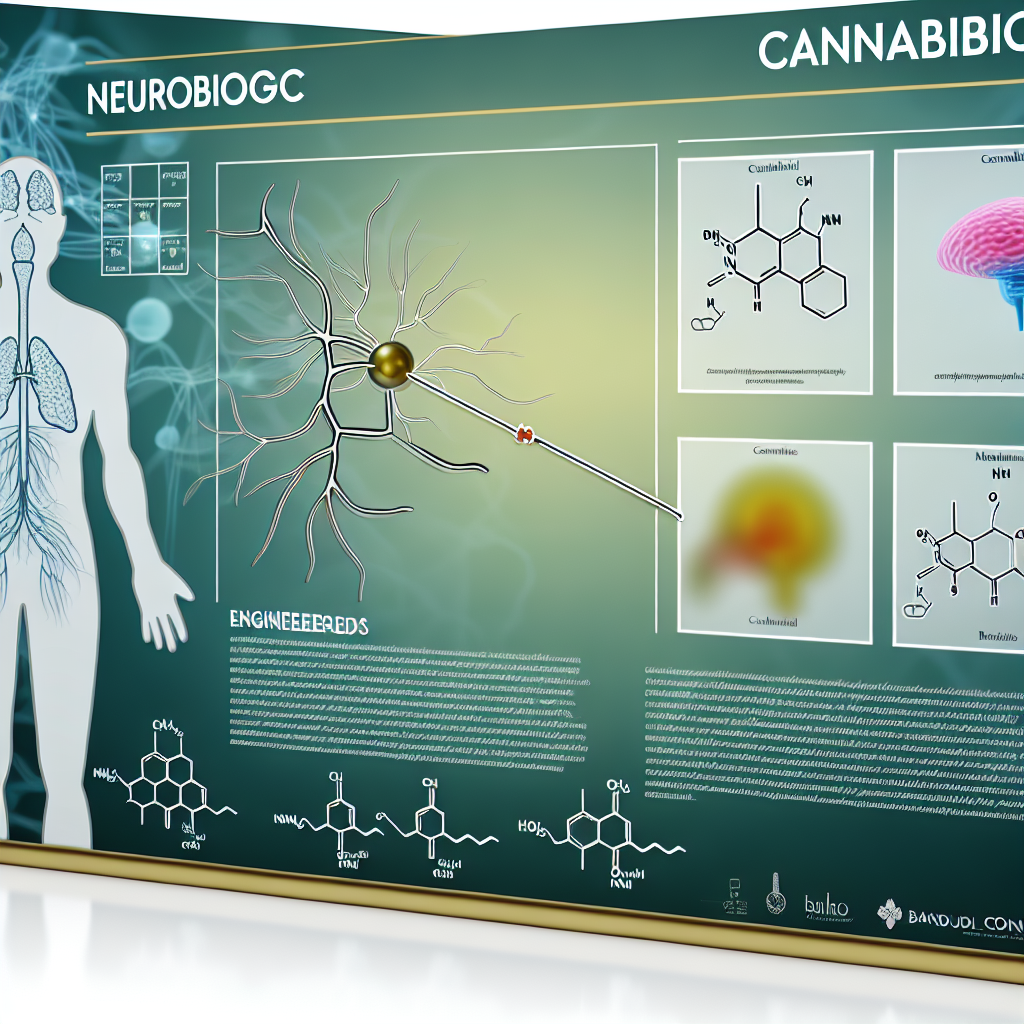
The potential of quantum dots in medical applications is further evidenced by their tunable surface chemistry, allowing them to be functionalized with biological molecules for targeted delivery. This tailoring is significant in cannabinoids’ molecular context, as it can aid in creating hybrid quantum dots that specifically bind to cannabinoid receptors (CB1 and CB2) located on cells throughout the human body. Recent research has shown that these hybrid systems can navigate biological systems with enhanced precision, offering specific targeting that traditional methods cannot achieve, as detailed in [Journal of Controlled Release](https://www.journals.elsevier.com/journal-of-controlled-release).
Quantum dots also exhibit stability under physiological conditions, an essential feature given the varying conditions within the human body. A 2020 study from [ACS Nano](https://pubs.acs.org/journal/ancac3) demonstrated that quantum dot technology not only improves delivery precision but also enhances the stability and solubility of therapeutic compounds, which is potentially transformative in water-insoluble cannabinoids like THC.
Quantum dots’ photoluminescent properties offer an exciting diagnostic potential that medical professionals can harness. This feature allows for real-time tracking within the body, ensuring that cannabinoid delivery systems are not just more effective but also safer, as they provide immediate feedback on the success and distribution of the therapeutic agents. Such capabilities could significantly decrease adverse effects and streamline therapeutic outcomes for cannabis-based treatments.
Conclusion
The integration of quantum dots into cannabinoid delivery systems is poised to redefine the landscape of cannabis therapeutics. By harnessing the precision and adaptability of quantum nanotechnology, we are standing on the brink of a new era in which cannabis treatments can be more targeted, efficient, and personalized than ever before. As research continues to unveil the potential of this remarkable technology, professionals and consumers alike can look forward to a future where cannabis is not only more effective but also a paragon of modern medical innovation. The quantum leap in cannabis science beckons, promising a myriad of possibilities for enhanced human health and wellness.
Concise Summary
The intersection of quantum physics and cannabis science brings forth quantum dots as a novel advancement in cannabinoid delivery systems. These nanometer-sized particles can significantly enhance bioavailability and targeted therapy, ensuring more efficient absorption of THC and CBD. Offering precision-targeted treatment, they usher in a new era of personalized medicine, revolutionizing the cannabis industry. Highlighted in studies from [Nature Nanotechnology](https://www.nature.com/articles/nnano), [Journal of Controlled Release](https://www.journals.elsevier.com/journal-of-controlled-release), and [ACS Nano](https://pubs.acs.org/journal/ancac3), quantum dots promise to enhance medical cannabis’ efficacy and safety.