Cannabis as a Platform: The Intersection of Genetics, AI, and Bioinformatics for Next-Gen Product Innovation
Introduction
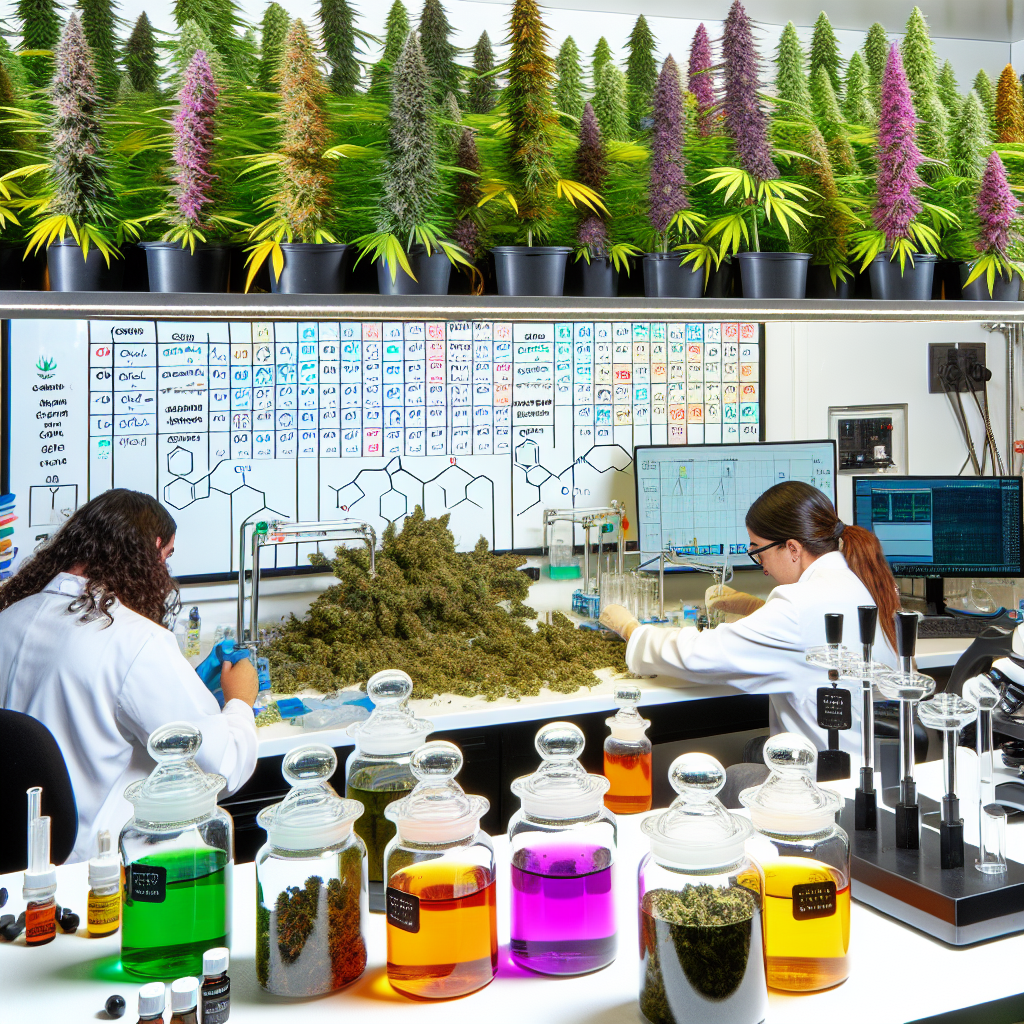
The cannabis industry has experienced a striking transformation over the last decade. Evolving from an informal market to a sophisticated multi-billion dollar industry, it has driven changes in legislation and fueled technological advancements, particularly in genetics, artificial intelligence (AI), and bioinformatics. These technologies are reshaping how cannabis is cultivated, processed, and consumed. Cannabis is a complex plant with over 100 known cannabinoids, and their therapeutic potential and applications depend on these cannabinoids and the plant’s terpene profile. By unlocking the secrets of the cannabis genome, scientists are identifying genes that influence traits like disease resistance and cannabinoid production—paving the way for breed-specific cultivation strategies.
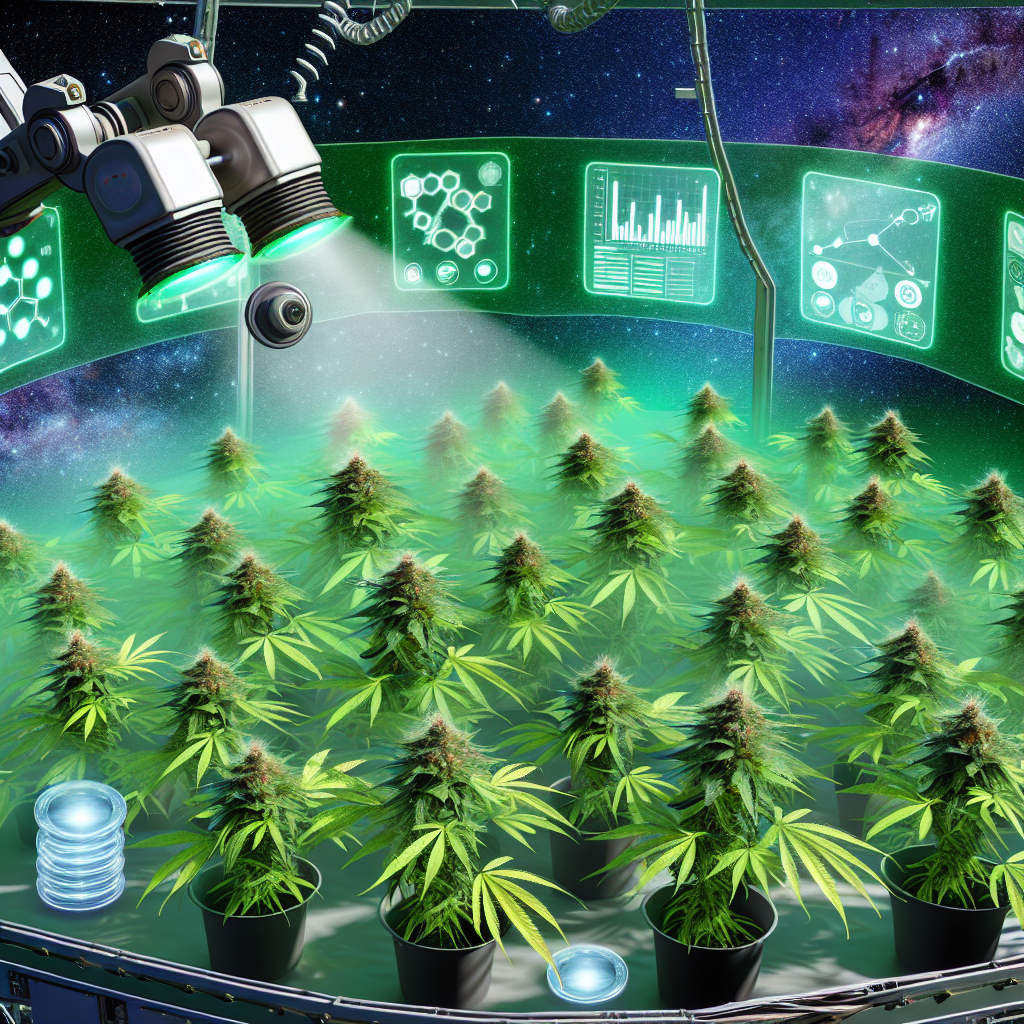
Furthermore, AI and bioinformatics are transforming the cannabis industry by allowing for sophisticated data management and analysis. Machine learning models can optimize growing conditions and forecast disease outbreaks, enhancing precision and efficiency in cultivation. Bioinformatics aids in analyzing genetic data, enabling informed decisions on enhancing genetic traits for future cannabis products. Together, these technologies are not only optimizing current practices but also setting the stage for unprecedented innovations in product development.
Features
Recent professional and academic studies delve into the synergy between genetics, AI, and bioinformatics in cannabis research. For instance, the [UC Davis Study](https://www.ucdavis.edu/news) successfully identified genetic markers affecting cannabinoid levels and plant resilience. This enables cultivation of strains with desired traits, such as higher THC content for recreational use or elevated CBD concentrations for medical purposes.
Moreover, a study in [Nature Biotechnology](https://www.nature.com/nbt/) illustrates AI’s role in cannabis agronomy, enhancing productivity and sustainability by predicting environmental stressors. This innovation paves the way for autonomous, smart farms that revolutionize global cannabis cultivation.
In bioinformatics, research published by the [International Journal of Plant Sciences](https://www.journals.uchicago.edu/journals/ijps/about) explores using computational techniques to analyze genetic data. This expands the cannabis genetics database, essential for future breeding programs and ensuring genetic stability across strains. This collaboration also opens doors to personalized medicine by studying genetic variations in cannabis and humans, potentially leading to customized treatment plans tailored to individual genetic makeups.
Conclusion
The convergence of genetics, AI, and bioinformatics is driving an era of innovation in the cannabis industry. As these technologies mature, they promise unprecedented possibilities in product development, cultivation practices, and personalized medicine. This intersection enhances our understanding of cannabis, solidifying its role as a dynamic platform for future scientific and medical breakthroughs.
References
1. [UC Davis Study](https://www.ucdavis.edu/news)
2. [Nature Biotechnology](https://www.nature.com/nbt/)
3. [International Journal of Plant Sciences](https://www.journals.uchicago.edu/journals/ijps/about)
Concise Summary
The integration of genetics, artificial intelligence (AI), and bioinformatics in the cannabis industry is revolutionizing cultivation, processing, and consumption. Genetic insights help identify traits for specific needs, while AI optimizes growth conditions and predicts disease outbreaks. Bioinformatics analyzes genetic data for enhancing cannabis traits. Studies demonstrate potential for tailored strains with specific therapeutic or recreational applications. This technological convergence is paving the way for smart farms and personalized medicine, leading to enhanced product development and sustainable cultivation practices. As these fields evolve, they promise groundbreaking innovations in the cannabis sector.