Future-Proofing Cannabis: Predictive AI in Cultivation & Pharmacology
Introduction
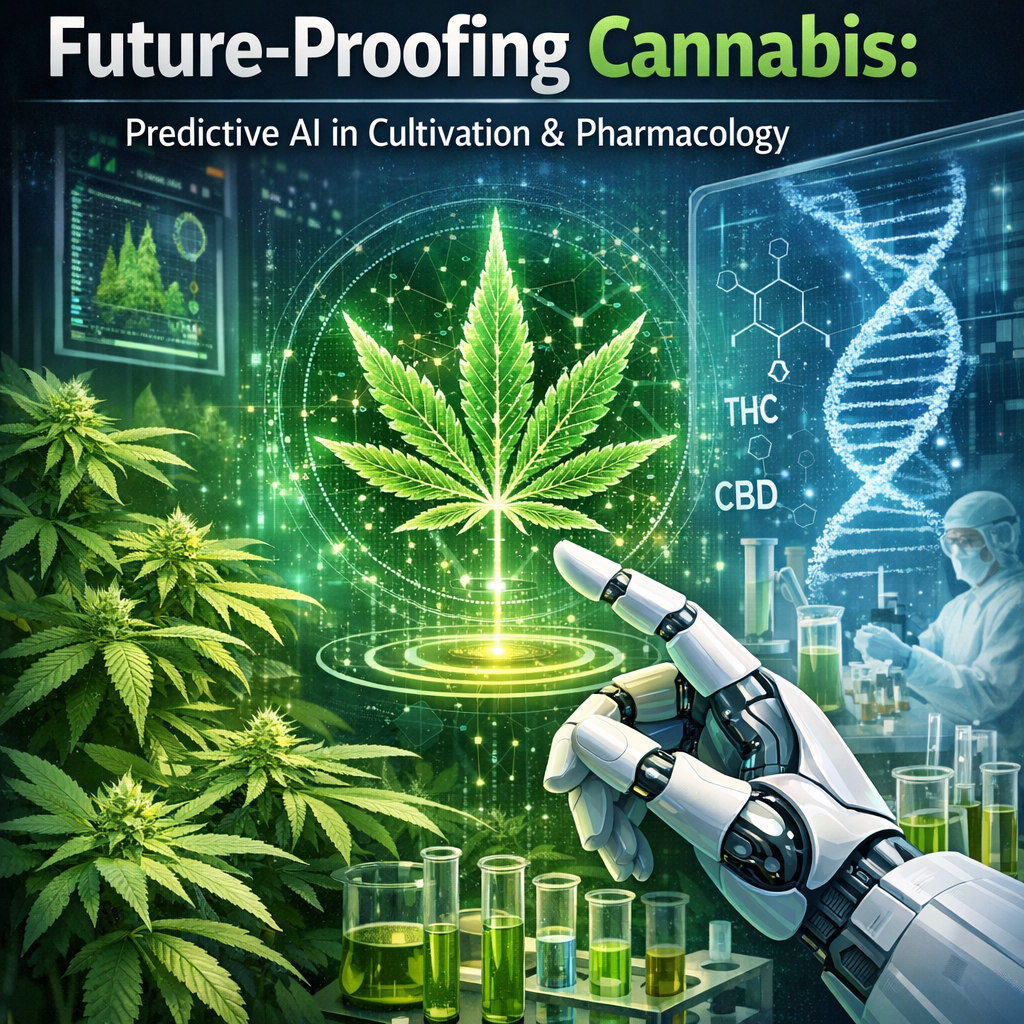
The cannabis industry is at the forefront of a scientific and cultural renaissance. As cannabis *legalization spreads globally*, the demand for superior product quality, consistent supply, and enhanced therapeutic applications is driving stakeholders to explore innovative approaches. Among these, artificial intelligence (AI) emerges as a transformative force capable of redefining how cannabis is cultivated and utilized medically. Predictive AI, in particular, is primed to play a significant role in future-proofing the cannabis sector by providing cutting-edge solutions to enhance both cultivation techniques and pharmacological developments.
AI’s ability to process vast datasets and identify patterns in real-time is particularly valuable in cannabis cultivation. Traditional methods largely rely on human intuition and manual adjustments, which leave room for inconsistencies and inefficiencies. Predictive AI algorithms can analyze a myriad of variables including climate conditions, soil health, pest presence, and plant health indicators. Such comprehensive analysis allows for the optimization of growing conditions, resulting in higher yields and improved cannabinoid profiles. Moreover, predictive models can anticipate crop diseases and pest infestations, enabling preemptive measures that reduce crop loss and minimize the need for chemical interventions.
Beyond cultivation, predictive AI holds promise in the realm of cannabis pharmacology. The complexity of cannabis’ chemical makeup, particularly its numerous cannabinoids and terpenes, calls for sophisticated tools to fully understand and harness its medicinal potential. AI systems can analyze clinical data to predict therapeutic outcomes, tailor treatment plans for individual patients, and accelerate the discovery of novel applications. This level of precision medicine represents a significant leap forward in treating conditions such as chronic pain, epilepsy, and anxiety with cannabis-based therapies.
As the integration of AI in cannabis operations expands, ethical considerations regarding data privacy and algorithmic transparency will need to be addressed. However, the potential benefits, including increased efficiency, sustainability, and personalization of cannabis products, underscore AI’s value as an indispensable asset in the industry’s growth and resilience.
Features
Several professional and medical studies underscore the growing relevance of predictive AI in cannabis cultivation and pharmacology. A 2020 study published in “Frontiers in Plant Science” explored how machine learning algorithms can predict optimal harvest times and cannabinoid concentrations by analyzing environmental data and historical plant records. The research demonstrated that AI models could increase the accuracy of predicting THC and CBD levels, fundamental for meeting regulatory standards and consumer expectations.
In cultivation, the use of AI-driven monitoring systems for indoor growing facilities is becoming more prevalent. These systems collect and interpret data on light, humidity, temperature, and CO2 levels to maintain ideal growing conditions year-round. The “Journal of Sensor Networks” published a study in 2021 highlighting how AI networks can prevent resource wastage and improve energy efficiency by up to 30%, critical for reducing the environmental footprint of large-scale operations.
Meanwhile, in pharmacology, AI is being utilized to decipher the complex interactions between cannabinoids and the human endocannabinoid system. A landmark study in “Nature Medicine” in 2022 leveraged AI to design new cannabinoid-based compounds capable of targeting specific receptors with unprecedented accuracy. The authors asserted that predictive modeling could expedite drug development processes that traditionally span years.
Furthermore, predictive AI is assisting in personalized medicine by processing genomic data to determine the most effective cannabis formulations for individual patients. A pilot study conducted by researchers at the University of California in 2021 demonstrated that AI could predict patient responses to various cannabinoid ratios, offering a personalized approach to cannabis therapy that promises to enhance efficacy and minimize side effects.
Conclusion
The advent of predictive AI in the cannabis sector heralds a future where cultivation and pharmacological practices are not only more efficient but also more refined. By embracing AI innovations, the industry can achieve sustainable growth while aligning with modern demands for personalized and effective medical solutions. The continuous evolution and adoption of these technologies will ensure the cannabis industry remains agile and innovative in addressing both current and future challenges.
Concise Summary:
Predictive AI is transforming the cannabis industry by enhancing cultivation and pharmacology methods. It optimizes growing conditions, boosting yields and cannabinoid profiles while minimizing chemical use. AI accelerates drug development, improves therapeutic outcomes, and enables personalized medicine based on genomic data. Although ethical issues like data privacy need attention, AI’s benefits in increasing efficiency and sustainability highlight its critical role in the industry’s growth. This evolution ensures cannabis operations stay innovative, meeting demands for superior quality and effective medicinal products.