AI-Powered Cannabinoid Synthesis: Revolutionizing Drug Development with Machine Learning
Introduction
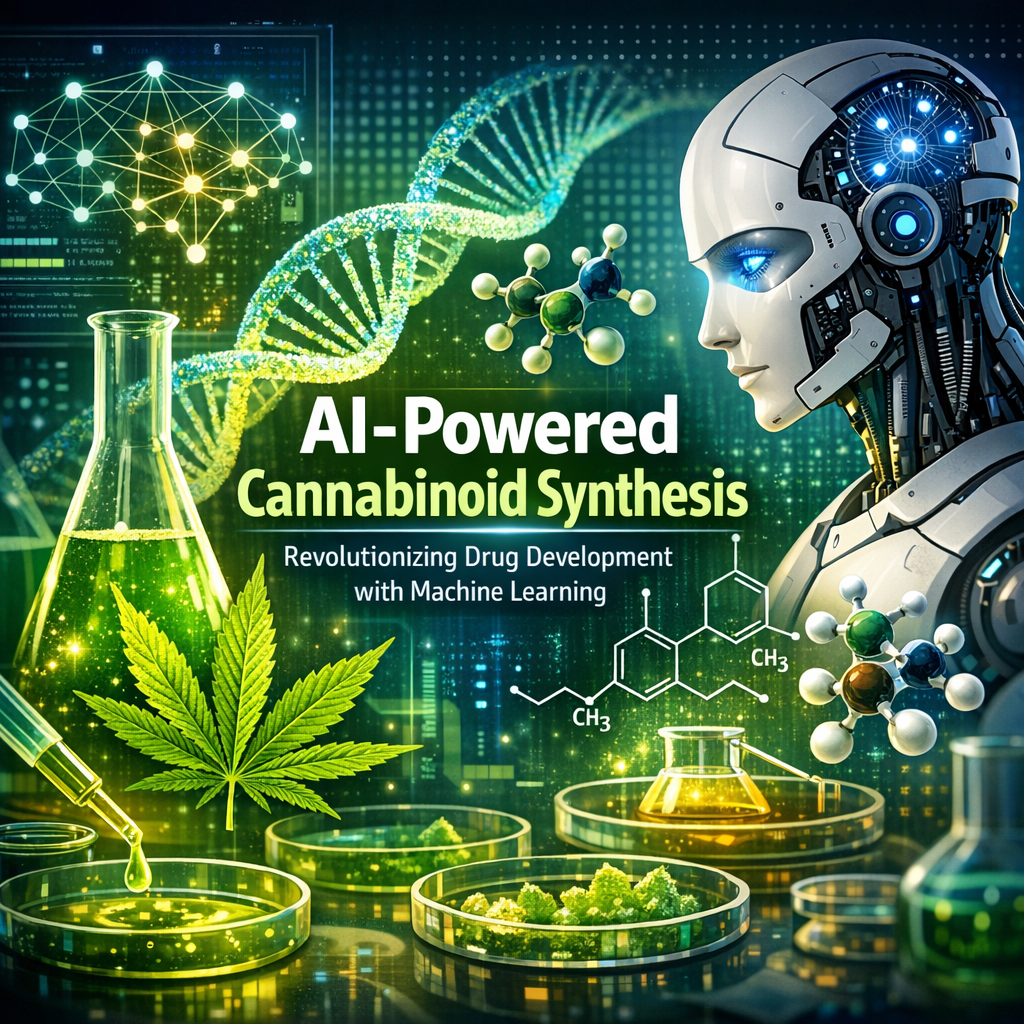
In recent years, the intersection of artificial intelligence (AI) and biotechnology has created groundbreaking opportunities in drug development. One of the most promising fields is the synthesis of cannabinoids using AI-powered tools. With the rapid increase in demand for cannabis-based therapies and products, researchers and companies are leveraging machine learning to optimize the synthesis of these compounds. This innovation is not merely about replicating nature’s bounty but enhancing and expanding it to unlock unprecedented therapeutic potentials.
Cannabinoids, the active compounds found in the cannabis plant, play a significant role in treating a myriad of health conditions, from chronic pain and epilepsy to anxiety and multiple sclerosis. However, the traditional methods of harvesting and extracting these compounds can be costly, time-consuming, and resource-intensive. This is where AI steps in, offering powerful algorithms that can predict the optimal conditions and processes for synthesizing cannabinoids at a fraction of the time and cost of conventional methods.
Imagine a world where customized cannabinoids can be synthesized with precision to target specific receptors in the human body. AI facilitates this by analyzing vast datasets, including genetic, biochemical, and environmental data, to create a new generation of cannabinoids with tailored effects. This level of specificity is particularly crucial in medical treatments, where personalized medicine could be pivotal in managing complex health issues.
Furthermore, AI’s role in cannabinoid synthesis isn’t limited to precision and efficiency; it also offers a sustainable approach. By predicting the best pathways for synthesizing cannabinoids, the industry can reduce waste and energy consumption, addressing environmental concerns associated with large-scale cannabis production. This confluence of machine learning and cannabinoid science sets a new benchmark in sustainable drug development, making AI an indispensable ally in the quest to harness the full potential of cannabis.
Features
The integration of AI in cannabinoid synthesis is supported by numerous scientific and professional studies underscoring its transformative potential. One pivotal study published in [*Nature*](https://www.nature.com/articles/s41586-018-0337-2) highlighted machine learning’s role in predicting chemical reactions with high accuracy, which is crucial in cannabinoid synthesis. By analyzing past reaction data, AI models can forecast the outcomes of new reactions, helping scientists identify efficient pathways for synthesizing targeted cannabinoids.
The [*Journal of Chemical Information and Modeling*](https://pubs.acs.org/doi/10.1021/acs.jcim.0c00059) explores how machine learning algorithms enhance our understanding of cannabinoid interactions at the molecular level. These insights can significantly impact the development of cannabinoid-based therapeutics with improved efficacy and reduced side effects. By marrying AI with computational chemistry, researchers can screen and identify novel cannabinoid structures that traditional methods might overlook.
In the professional arena, companies like Demetrix are spearheading the application of AI in synthesizing rare cannabinoids. Unlike the naturally abundant THC and CBD, these rare cannabinoids are often present in trace amounts in the cannabis plant but possess unique therapeutic properties. AI-driven platforms enable companies to biosynthesize these compounds in large quantities, providing new avenues for pharmacological research and development.
Another groundbreaking application discussed at the Cannabis Science Conference involves AI’s role in optimizing fermentation processes to produce cannabinoids. Researchers use AI to simulate various fermentation conditions, streamlining the production of cannabinoids in yeast or other host organisms. This method not only accelerates production but also ensures a consistent quality of the synthesized compounds.
Studies focusing on the environmental impact further bolster AI’s role in cannabinoid synthesis. The ability of AI to model and minimize waste and resource usage aligns with the growing need for environmentally-conscious production methods in the cannabis industry. As highlighted in [*Environmental Science & Technology*](https://pubs.acs.org/doi/10.1021/acs.est.0c02998), AI applications in drug synthesis contribute to lessening the ecological footprint of pharmaceutical manufacturing.
Conclusion
AI-powered cannabinoid synthesis represents a significant leap forward in both drug development and sustainable production practices. By harnessing the power of machine learning, we can unleash new therapeutic potentials while addressing the ecological impacts of cannabinoid cultivation and synthesis. As scientific understanding and technological capabilities continue to expand, the fusion of AI and cannabinoid science promises to revolutionize our approach to medicine and broaden the horizons of health and wellbeing.
References
1. “Machine Learning in Chemistry.” [*Nature*](https://www.nature.com/articles/s41586-018-0337-2).
2. “Molecular Structure Learning with Chemical Deep Learning.” [*Journal of Chemical Information and Modeling*](https://pubs.acs.org/doi/10.1021/acs.jcim.0c00059).
3. “Cannabis Science Conference Highlights AI in Cannabinoid Production.” [*Cannabis Science Conference*](https://www.cannabisscienceconference.com).
4. “Chemical Synthesis and Environmental Impacts.” [*Environmental Science & Technology*](https://pubs.acs.org/doi/10.1021/acs.est.0c02998).
Concise Summary
The integration of AI and biotechnology in drug development, specifically in synthesizing cannabinoids, holds immense promise. AI greatly optimizes the synthesis process by predicting optimal conditions and conditions, offering precision, efficiency, and sustainability. Essential in the creation of tailored cannabinoid compounds, it supports personalized medicine. Additionally, AI reduces waste and energy consumption in this *rapidly evolving field*, enhancing drug development and environmental sustainability. Professional arenas and scientific studies, such as those cited from *Nature* and *The Journal of Chemical Information and Modeling*, affirm AI’s transformative role in revolutionizing cannabinoid science and drug synthesis.