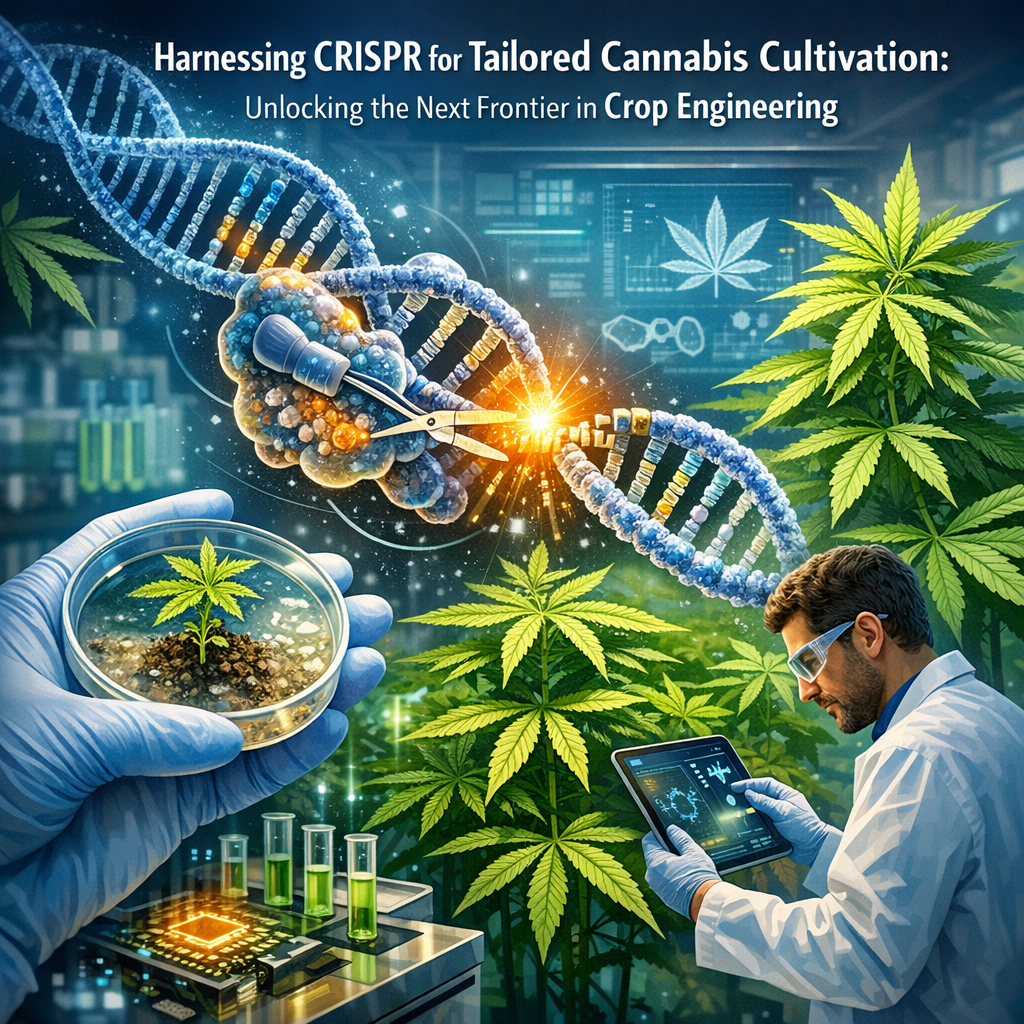
Harnessing CRISPR for Tailored Cannabis Cultivation: Unlocking the Next Frontier in Crop Engineering
In recent years, the cannabis industry has undergone a monumental evolution, transitioning from underground markets to becoming a significant player in the global agricultural economy. This transformation has been fueled by a surge in legalization and a growing acceptance of cannabis for both medicinal and recreational use. As demand increases, so too does the necessity for innovative cultivation techniques that can enhance yield, quality, and specific cannabinoid profiles. One of the most revolutionary advancements in this field comes from genetic engineering, particularly through the gene-editing technology known as CRISPR-Cas9.
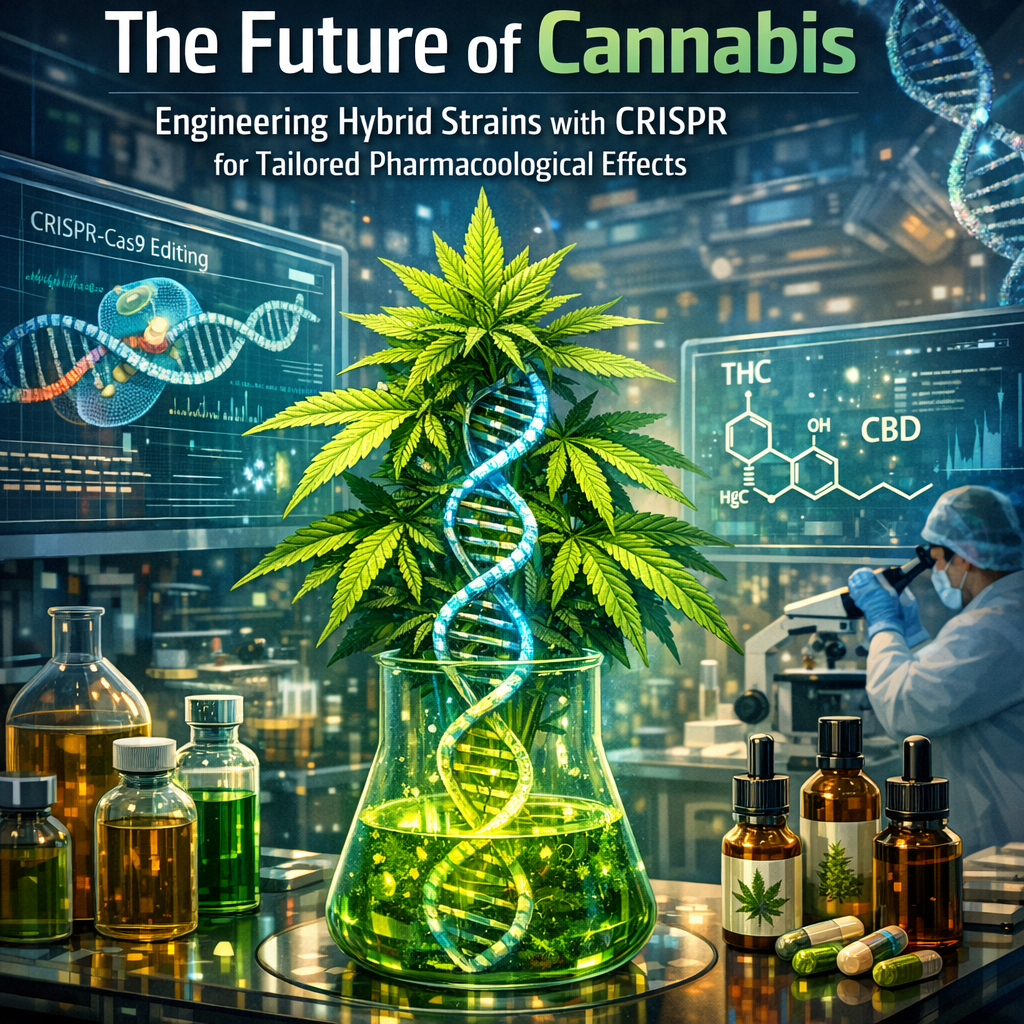
CRISPR, an acronym for Clustered Regularly Interspaced Short Palindromic Repeats, represents a paradigm shift in genetics, providing scientists with a precise and efficient tool for editing DNA. Originally discovered in bacteria as an adaptive immune system mechanism, CRISPR has been adapted to allow for targeted modification and regulation of gene expression in virtually any plant or animal. For cannabis cultivators, the implications are profound. This technology offers the potential to create genetically tailored strains with enhanced traits such as disease resistance, increased levels of specific cannabinoids like THC or CBD, improved yield, and even new flavors and aromas.
The use of CRISPR in cannabis cultivation is not just theoretical. Researchers and industry leaders are actively exploring its applications, aiming to harness its capabilities to meet both consumer demand and the agricultural challenges of modern cannabis farming. The benefits of employing CRISPR extend beyond just agronomic traits; there is also potential for significant environmental benefits. By developing strains that require less water or pesticides, for instance, the ecological footprint of cannabis cultivation could be drastically reduced.
Furthermore, as the medicinal cannabis market grows, the ability to create strains with specific therapeutic profiles becomes increasingly valuable. Patients with conditions such as epilepsy, chronic pain, or anxiety could benefit from more targeted treatment options, achieved through the precise genetic manipulation of cannabinoid and terpene profiles. Despite the promise CRISPR holds for cannabis cultivation, its use is not without controversy. Ethical considerations, regulatory frameworks, and public perception all play crucial roles in determining the pace and extent of its adoption. However, the potential advantages in terms of efficiency, sustainability, and consumer choice make this a field of intense interest and considerable impact.
Several studies have underscored the potential of CRISPR technology in agricultural sectors, including cannabis cultivation. For instance, a study published in the [Plant Molecular Biology](https://link.springer.com/article/10.1007/s11103-020-01038-x) journal articulated the successful application of CRISPR-Cas9 to cannabis, highlighting its ability to disrupt the function of certain genes responsible for undesirable traits. Researchers demonstrated not only the feasibility of using CRISPR on cannabis plants but also how it could be employed to enhance desirable characteristics such as growth rate and cannabinoid production.
In another pertinent study published in [Nature Biotechnology](https://www.nature.com/articles/s41587-020-0584-7), researchers showcased how CRISPR could potentially address issues related to pathogens and pests, which are significant concerns in cannabis cultivation. By editing genes related to plant immunity, the scientists achieved strains with increased resistance to common fungal infections. These studies illustrate how genetic engineering can be a game-changer in producing more resilient and productive cannabis plants.
Moreover, a study in the [Journal of Cannabis Research](https://jcannabisresearch.biomedcentral.com/articles/10.1186/s42238-020-00029-w) explored the cannabinoid pathway in cannabis plants, illustrating how CRISPR technology could be applied to customize cannabinoid profiles with unprecedented precision. This research is a major milestone for both recreational and medicinal cannabis sectors, where specific cannabinoids like THC, CBD, and others play critical roles in determining the plant’s effects and uses.
While these developments are promising, they also highlight the need for cautious progress. Regulatory bodies are still grappling with how to handle gene-edited crops, including cannabis, particularly when it comes to safety evaluations and public acceptance. These studies collectively underscore the pivotal role that CRISPR technology is poised to play in modern cannabis cultivation, opening doors to innovations that were once thought impossible.
As we stand on the cusp of a genetic revolution in cannabis cultivation, the potential to create customized cannabis strains tailored to specific needs and environments suggests a transformative future for the industry. CRISPR technology represents more than just an exciting avenue of research—it’s a tool that could redefine the cultivation practices of cannabis, making them more efficient, sustainable, and consumer-focused. To realize these benefits fully, collaboration between scientists, policymakers, and the public will be crucial to ensure responsible and ethical use of this powerful technology. With continued advancements and research, CRISPR could very well unlock the next frontier of cannabis crop engineering, propelling the industry into a new era of innovation.
Concise Summary
CRISPR-Cas9 represents a revolutionary tool in the cannabis industry, with the potential to enhance yield, quality, and sustainability by allowing precise genetic editing of cannabis plants. Amidst increasing global demand, CRISPR could lead to strains with better disease resistance and tailored cannabinoid profiles for medical and recreational use. Studies demonstrate its feasibility and benefits, though regulatory and ethical challenges remain. Collaboration among scientists, policymakers, and the public is crucial to advancing this technology responsibly, promoting efficiency and consumer choice, and reducing the environmental impact of cannabis cultivation.