Quantum Biological Models: Rethinking Cannabis Cultivation with Subatomic Precision
Introduction
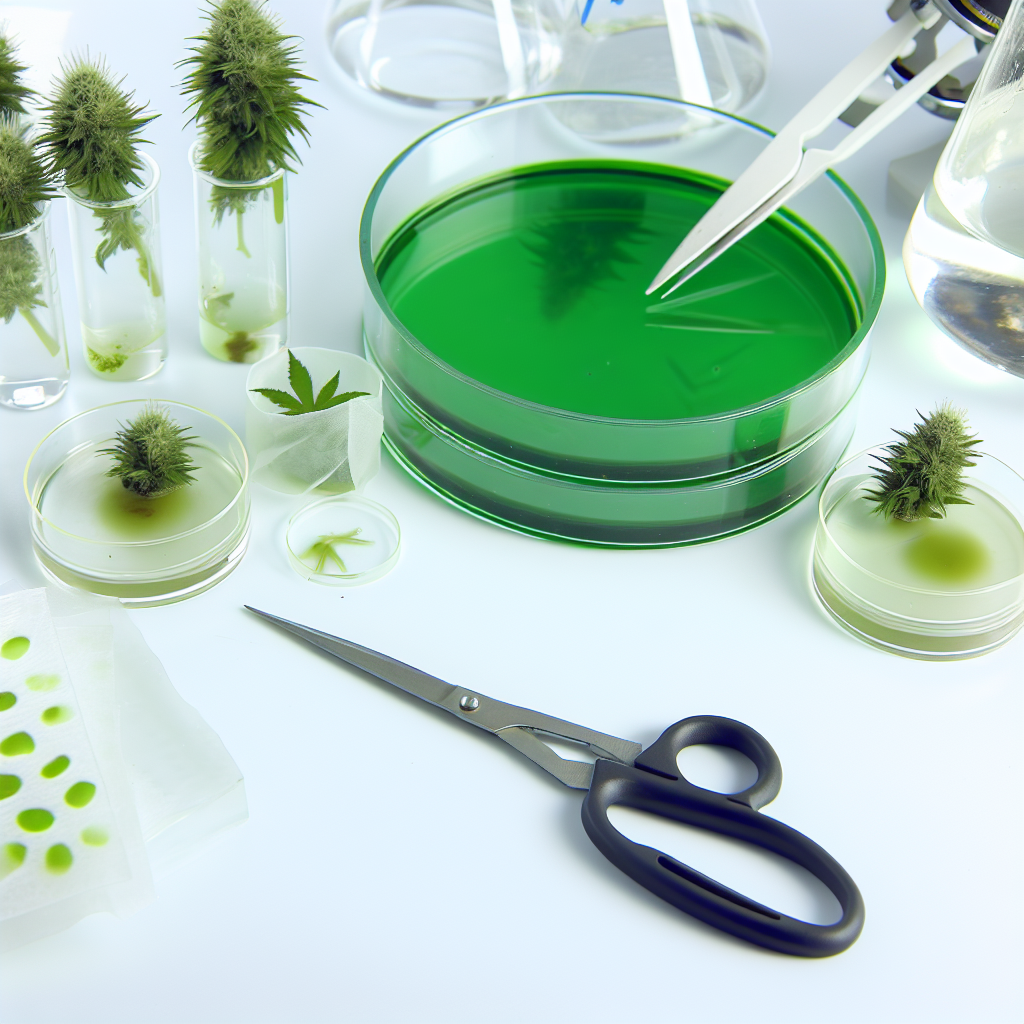
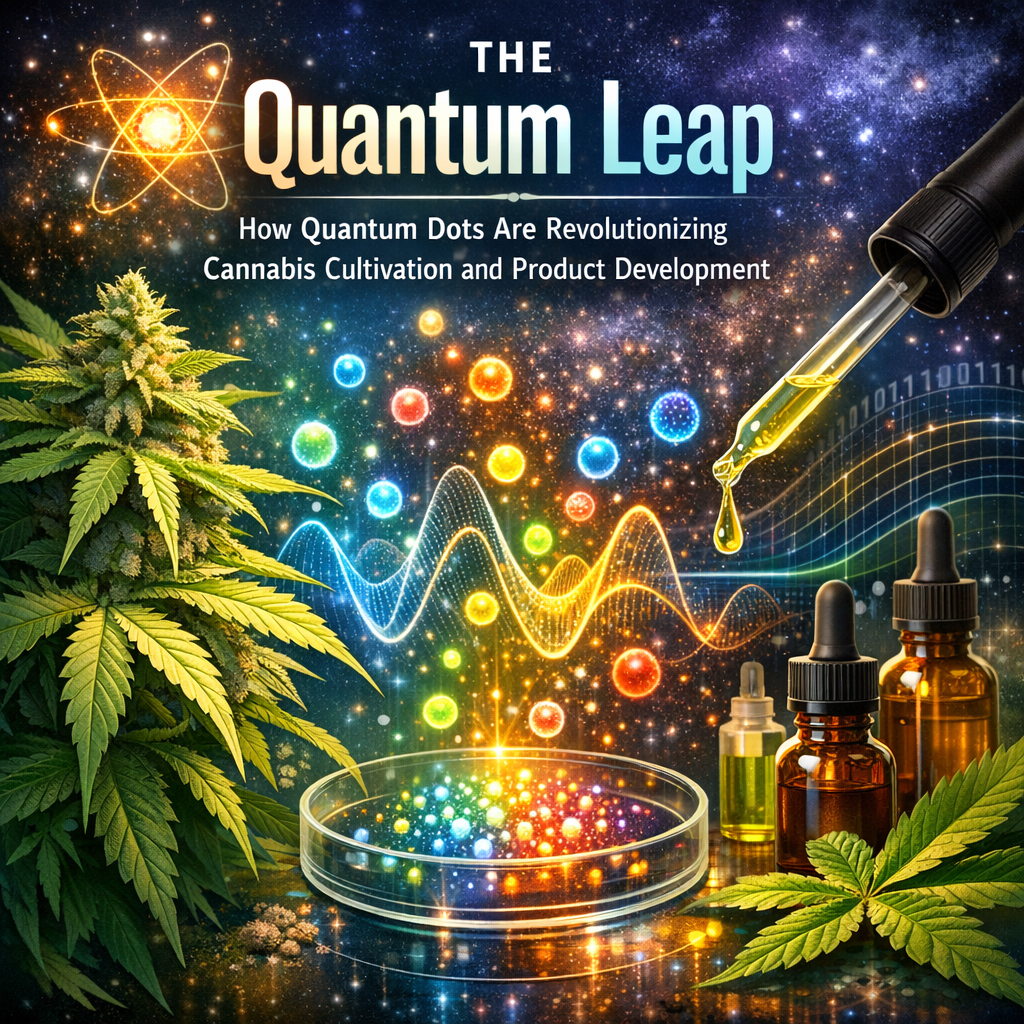
In recent years, the intersection of quantum biology and agriculture has opened new frontiers in the understanding and manipulation of plant systems. Quantum biology, a burgeoning field at the confluence of quantum physics and biology, provides intriguing insights into the behaviors of living organisms at subatomic levels. Cannabis cultivation, a complex process heavily reliant on environmental factors, stands to benefit significantly from these insights. As growers and researchers push the boundaries of cannabis cultivation, they look towards quantum models to enhance growth efficiency, optimize yield, and improve plant health to unprecedented levels.
Traditionally, plant cultivation has focused on macroscopic factors such as soil quality, water, light, and temperature. However, researchers now believe that understanding and manipulating quantum phenomena, such as electron tunneling in photosynthesis and quantum coherence in energy transfer, can lead to revolutionary changes in how we grow cannabis. At the root of this is the idea that plants, including cannabis, can exploit quantum effects to optimize their biological functions.
One particular area where quantum biology could profoundly impact cannabis cultivation is photosynthesis—the process by which plants convert light into energy. Quantum effects are known to facilitate more efficient energy transfer through the complex photosystem II, allowing plants to maximize their energy utilization. By leveraging these principles, cannabis growers could potentially enhance photosynthesis beyond its natural limits, increasing growth rates and cannabinoid production.
Another promising application lies in the use of quantum sensors to monitor plant health at the most fundamental level. These sensors can detect minute changes in the biological processes of plants, providing early warnings for disease or stress. This would enable cannabis cultivators to take proactive measures in managing plant health, ensuring consistent and high-quality yields. With the global cannabis market valued at billions of dollars, these innovations could translate into significant economic benefits, alongside advancements in medicinal cannabis production.
Features
Quantum biology’s potential in cannabis cultivation is not merely theoretical; various studies and emerging technologies underscore its applicability and impact. One groundbreaking study published in the journal [Nature](https://www.nature.com/articles/nature12323) explores the role of quantum coherence in photosynthesis—a process vital to all plant life, including cannabis. Researchers found that certain bacteria use quantum coherence to sustain an efficient energy transfer process, raising prospects that similar mechanisms could be harnessed within cannabis plants to optimize their growth efficiency.
Furthermore, the development of advanced quantum sensors is another area of keen interest. These tools, capable of detecting subatomic interactions and changes within plant tissues, are currently being researched for agricultural use. Early prototypes have shown promise in monitoring plant respiration and photosynthesis with precision far beyond conventional methods. Such technology would not only allow for real-time monitoring of plant health but also help in tailoring environmental conditions to benefit specific strains of cannabis.
In addition to these mechanical advances, quantum computing offers the possibility of simulating complex plant processes, enabling researchers to discover new cultivation techniques. Quantum computers can process a vast number of variables simultaneously, which is particularly useful in studying multifaceted biological systems like cannabis. For example, by simulating the intricate pathways of cannabinoid biosynthesis, scientists can better understand and enhance cannabinoid yields and profiles to cater to specific medical or recreational needs.
These advancements in quantum biological models are complemented by ongoing research in the medical field, where cannabis components such as cannabinoids are already being leveraged to treat a variety of conditions. The precision offered by quantum models could lead to the cultivation of bespoke cannabis strains that maximize therapeutic effects while minimizing unwanted side effects. The implications of such precision extend well beyond economics, heralding a future where cannabis cultivation is as much a science as it is an art.
Conclusion
Quantum biological models present an exciting frontier in cannabis cultivation, offering a nuanced approach that combines traditional agricultural wisdom with cutting-edge scientific discoveries. As research progresses, the potential to revolutionize cannabis growth, improve medicinal properties, and increase economic yields becomes more palpable. By exploring the quantum underpinnings of plant life, we stand on the brink of a new era in agriculture—one defined by precision, efficiency, and unparalleled innovation.
Concise Summary
Quantum biological models in cannabis cultivation combine quantum physics and biology to enhance plant growth and efficiency. By leveraging quantum phenomena, such as electron tunneling and quantum coherence in photosynthesis, cannabis growers can optimize yields and improve plant health. Advanced quantum sensors offer real-time monitoring of plant health, helping to ensure consistent quality. Moreover, quantum computing assists researchers in simulating complex processes to boost cannabinoid production. These innovations promise significant economic and medicinal benefits, marking the beginning of a new era in precise and science-driven agriculture.