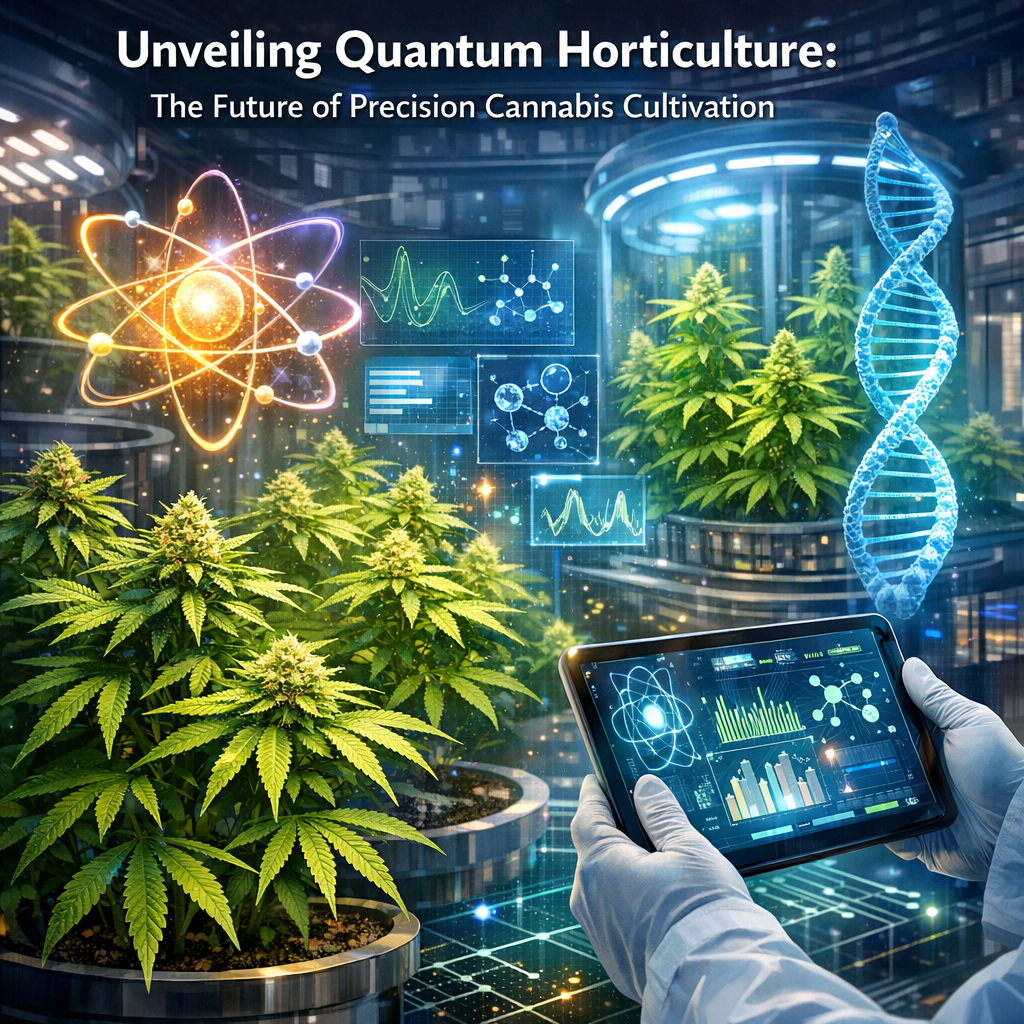
Unraveling Cannabis Epigenetics: How Gene Expression Can Revolutionize Plant Breeding
Introduction
Cannabis, a plant known for its therapeutic, industrial, and recreational uses, is rapidly evolving in the hands of breeders, growers, and researchers. As the market for cannabis products expands globally, the demand for diverse strains with specific characteristics has intensified. Traditional plant breeding techniques have created myriad strains, but recent advances in genomics and biotechnology present unprecedented opportunities. At the forefront of these developments is cannabis epigenetics, the study of changes in gene expression that do not involve alterations to the underlying DNA sequence.
Epigenetics examines how environmental factors, lifestyle, and other external stimuli can ‘turn on’ or ‘turn off’ specific genes. In cannabis cultivation, understanding epigenetic mechanisms may hold the key to unlocking the plant’s full potential. By manipulating epigenetic markers through various stimuli, breeders could enhance or suppress traits such as pest resistance, growth rate, cannabinoid production, and terpene profiles. This specificity in gene expression enables more controlled and efficient breeding methods compared to selecting and crossbreeding plants based solely on observable traits.
Moreover, the exploration of cannabis epigenetics promises to address some pressing industry challenges, including homogeneity in plant populations and improving cultivation practices without heavily relying on genetic modification. Unlike genetic modification, which introduces foreign genes into an organism, epigenetic modifications are akin to toggles that can be reset, suggesting an environmentally friendly and ethically sound approach to cannabis improvement.
As we delve deeper into the epigenetic landscape of cannabis, researchers and breeders are poised to revolutionize plant breeding by tailoring cannabis cultivars to meet specific medical, recreational, and industrial needs. The convergence of biotechnology, genomics, and traditional cultivation methods ushers in a new era where cannabis’s versatility and adaptability are matched only by our understanding and manipulation of its genetic coding.
Features
Several professional and medical studies underscore the potential of epigenetics in revolutionizing cannabis breeding. A landmark study published in [Frontiers in Plant Science (2020)](https://www.frontiersin.org/articles/10.3389/fpls.2020.00724/full) explored the role of DNA methylation in cannabis. DNA methylation is a critical epigenetic modification where methyl groups are added to DNA molecules, influencing gene expression. The study revealed that specific patterns of DNA methylation were associated with changes in cannabinoid and terpene production, affirming the utility of epigenetic tools in fine-tuning these valuable traits.
Another significant research published in [Nature Communications (2021)](https://www.nature.com/articles/s41467-021-21005-x) delved into the plasticity of the cannabis epigenome. Scientists manipulated environmental conditions to observe how changes in humidity, light, and temperature affected gene expression via epigenetic pathways. The findings suggested that environmental stressors could induce stable yet reversible epigenetic changes, enabling breeders to develop resilient cannabis strains better suited to varying environmental conditions.
Besides academic studies, the commercial landscape witnesses technological developments in epigenetic breeding. Applied DNA Sciences leads in integrating epigenetic insights into their cannabis authentication and traceability solutions. By understanding epigenetic markers, they aim to ensure product consistency and quality, safeguarding consumers and cultivators against inconsistencies arising from genetic drift and environmental variability.
These studies and commercial innovations indicate a promising trajectory for cannabis cultivation. The implications stretch from increasing crop yield without compromising quality to providing a stable foundation for standardized medicinal cannabis products, thereby enhancing patient outcomes and advancing pharmacological research.
Conclusion
The field of cannabis epigenetics offers an intriguing glimpse into the future of plant breeding, where the phenotypic potential of cannabis can be precisely controlled through gene expression. As industry professionals and researchers work hand-in-hand to unravel complex genetic pathways, the potential to transform cannabis into an even more versatile and sustainable crop is within reach, fostering a landscape ripe for innovation and discovery.
Concise Summary
Cannabis epigenetics is transforming plant breeding by enabling precise control of gene expression without altering DNA sequences. This approach allows breeders to enhance specific cannabis traits like pest resistance and cannabinoid production without genetic modification. Studies like those from Frontiers in Plant Science and Nature Communications have shown how epigenetic mechanisms such as DNA methylation and environmental changes impact cannabis characteristics. As companies like Applied DNA Sciences leverage this knowledge, the industry is set for improved cultivation consistency and quality. The future of cannabis breeding lies in this integration of epigenetics with traditional methods, unlocking the plant’s full potential.