Why Your Cannabis Lab Will Be Obsolete Without AI-Driven Molecular Fingerprinting
Introduction
In the rapidly advancing world of **cannabis research** and **product development**, staying ahead of the curve is imperative for both **consumer safety** and competitive advantage. One of the most revolutionary technologies emerging in this field is **AI-driven molecular fingerprinting**. This cutting-edge approach offers unprecedented precision in analyzing **cannabis compounds**, allowing labs to deliver higher quality and more consistent products. As the demand for **cannabis products** continues to surge, consumers and professionals alike are calling for greater **transparency** regarding what is in their products and how these compounds interact to produce specific effects.
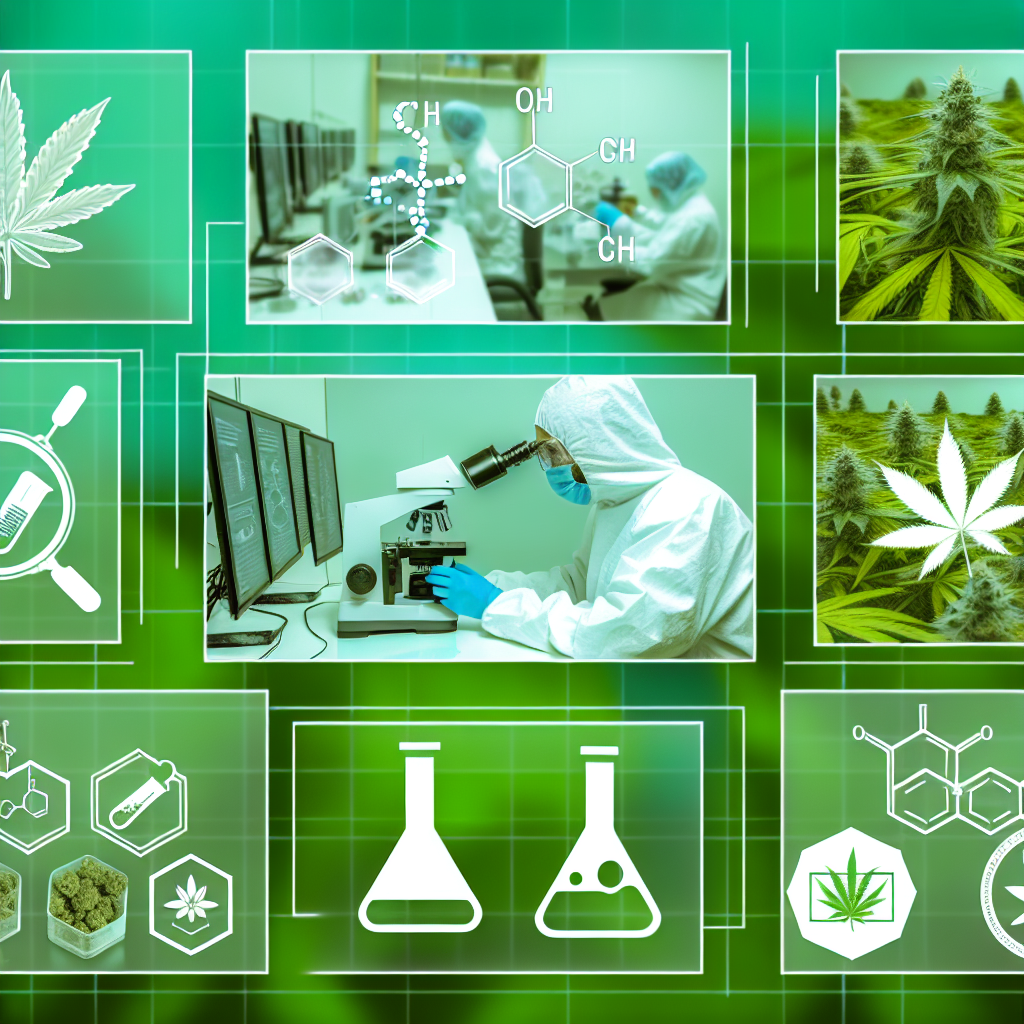
Traditional methods of cannabis testing, which predominantly focus on **THC** and **CBD content**, are quickly becoming insufficient. While cannabinoid profiles offer some insights, they fall short of providing a comprehensive view of the plant’s chemical composition. Enter **molecular fingerprinting**, a sophisticated technique that uses **artificial intelligence** to analyze and catalog the full spectrum of **cannabinoids**, **terpenes**, **flavonoids**, and other compounds present in a **cannabis sample**. This technology not only enhances the understanding of the **entourage effect**—where different cannabis compounds work synergistically to amplify therapeutic benefits—but also facilitates the creation of customized products tailored to specific medical needs and consumer preferences.
The integration of AI in molecular fingerprinting allows for rapid data processing and pattern recognition, which opens up new possibilities in cannabis breeding, quality control, and even in predicting the effects of specific strains on the **endocannabinoid system**. By relying on AI algorithms, labs can swiftly identify outlier samples, detect contaminants with high precision, and ensure batch-to-batch consistency. This level of analysis is indispensable in both medical and recreational markets, where consumer safety and product reliability are paramount.
As regulatory standards tighten and consumer awareness grows, cannabis labs that fail to adopt AI-driven molecular fingerprinting risk falling behind. Not only will they be unable to meet the rigorous demands of an evolving market, but they will also miss out on opportunities to innovate and lead in this dynamic industry.
Features
Several professional and medical studies have underscored the potential of AI-driven molecular fingerprinting in the **cannabis industry**. A study published in [*Frontiers in Plant Science*](https://www.frontiersin.org/journals/plant-science) highlights how artificial intelligence can enhance the analysis of cannabis phenotypes by recognizing complex patterns that human specialists might overlook. This capability is vital for optimizing cannabis breeding programs and for discovering new traits that could lead to improved therapeutic applications.
Furthermore, research conducted by the [University of Colorado Boulder](https://www.colorado.edu/asm) emphasizes the role of terpenes and flavonoids alongside cannabinoids in creating the plant’s unique therapeutic effects. This study supports the necessity for full-spectrum analysis, which AI-driven molecular fingerprinting can provide, by taking into account the subtle nuances of each compound’s interaction within the complex cannabis matrix.
Another significant study from the [*Journal of Cannabis Research*](https://jcannabisresearch.biomedcentral.com/) explains how AI algorithms can process vast amounts of **molecular data** from cannabis samples, accelerating the identification of contaminants like pesticides, heavy metals, and microbial impurities. This capability not only ensures product safety but also aids labs in adhering to stringent regulatory standards set by health authorities worldwide.
Beyond safety and compliance, AI-driven molecular fingerprinting facilitates innovation in formulation science. By continuously analyzing molecular data, AI systems can predict how different compound combinations will affect the human body, enabling the design of bespoke cannabis products. These personalized products can address specific health concerns, such as chronic pain, anxiety, or neurological disorders, making cannabis treatments more effective and accessible.
A report from [Deloitte](https://www2.deloitte.com/) confirms the commercial benefits of adopting AI in cannabis testing. Labs employing these technologies can offer more detailed product labels, which enhance consumer trust and satisfaction. This approach also supports transparency, allowing consumers to make informed decisions based on complete chemical profiles rather than just cannabinoid content.
Conclusion
The integration of **AI-driven molecular fingerprinting** is no longer a futuristic concept; it is an immediate necessity for cannabis labs aiming to stay relevant and competitive. By adopting this technology, labs can unlock new levels of precision and innovation, meeting growing consumer demands and regulatory requirements. Those that fail to embrace this transformation risk obsolescence in a market that increasingly values transparency, safety, and tailored consumer experiences.
Concise Summary
AI-driven molecular fingerprinting is revolutionizing cannabis labs by allowing unprecedented precision in analyzing cannabis compounds. Traditional methods focusing on THC and CBD are insufficient, while AI technology offers full-spectrum analysis, enhancing understanding of the entourage effect and enabling product customization. Numerous studies emphasize its importance for safety, compliance, and innovation. AI algorithms process vast molecular data, predicting compound effects, enhancing product safety, and optimizing formulation science. Adopting this technology helps labs stay competitive, ensuring they meet regulatory standards and cater to consumer demands for transparency, safety, and personalized experiences.