Managing Dissolved Oxygen in Deep Water Culture (DWC): Advanced Aeration and Sterilization Techniques
Introduction
Deep Water Culture (DWC) is a popular hydroponic system for growing cannabis due to its ability to accelerate plant growth. In this technique, plant roots are suspended in nutrient-rich, highly oxygenated water, allowing for increased nutrient uptake, vigorous root development, and dense foliage.
A crucial but sometimes overlooked factor in DWC is the concentration of dissolved oxygen (DO) in the water. Adequate levels of DO are essential for aerobic respiration in plant roots and the survival of beneficial microbes. If insufficient, it leads to anaerobic environments that harbor harmful pathogens such as Pythium (root rot), which can negatively impact crop health and yield.
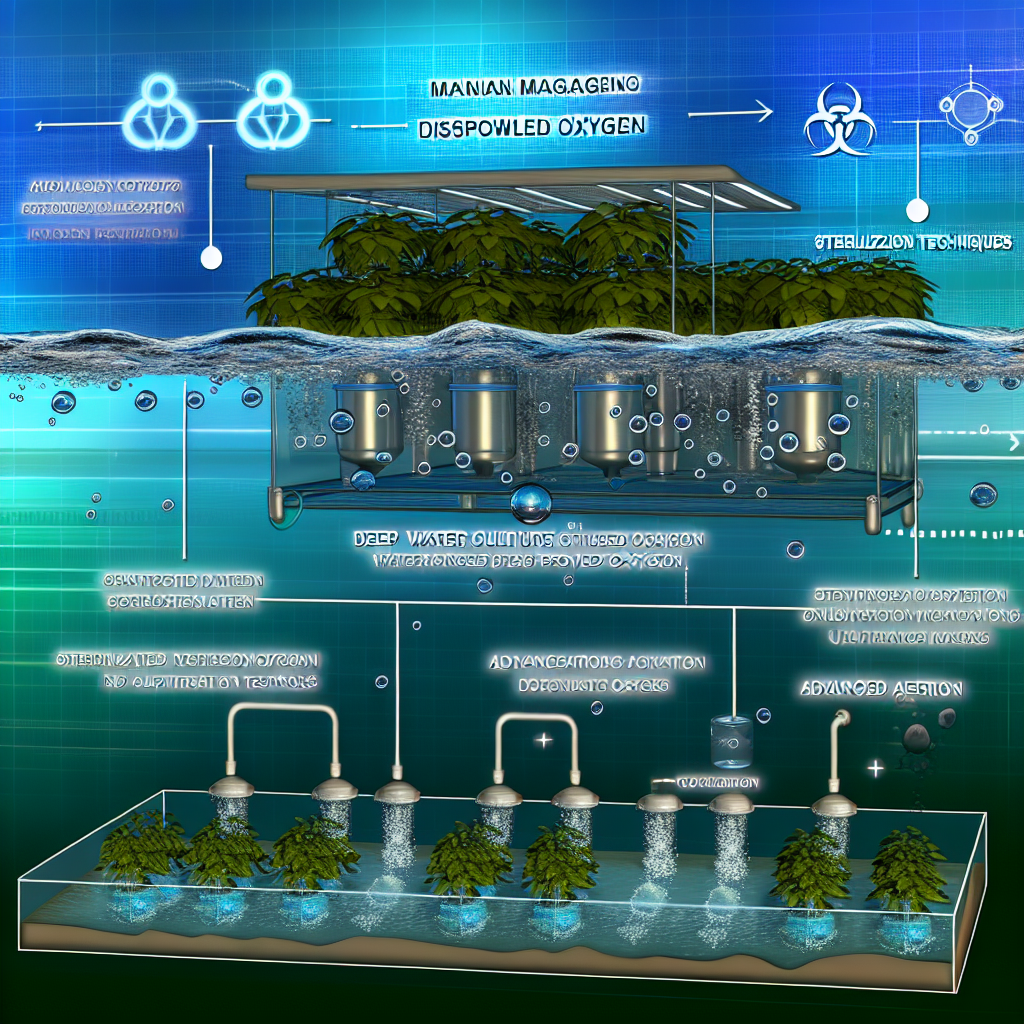
As modern cannabis cultivation pushes toward higher outputs and medical-grade quality, advanced oxygenation technologies such as microbubble diffusers, venturi systems, and accurate DO meters are replacing basic air stones. Additionally, integrating water sterilization techniques like UV sterilizers and ozone infusion supports a sanitized yet highly oxygenated root environment.
This article explores why effective DO regulation is vital in DWC setups, reviews the best new aeration and sterilization methods, and highlights scientific findings that support these strategies for both home and commercial cannabis growers.
Why Dissolved Oxygen Matters in DWC
Science consistently supports the role of DO in plant health. DO lets roots extract oxygen from water for aerobic respiration, producing the energy needed for cellular functions such as nutrient transport and root development. Without adequate oxygen, root systems become weak and unable to fight off disease.
A 2009 study in Scientia Horticulturae showed that higher DO levels in hydroponic setups improved root biomass and growth metrics in leafy crops. These conclusions directly relate to cannabis hydroponics where enhanced root function translates into faster vegetative growth and heavier yields.
Likewise, a report in HortTechnology found that oxygenated root zones significantly increased transpiration, photosynthesis, and overall nutrient efficiency. This optimization is crucial in growing high-cannabinoid varieties that require precision in nutrient absorption for peak terpene and cannabinoid expression.
Innovations in Aeration Technology
Traditional air stones often fall short in maintaining optimal DO levels, especially in larger or more demanding setups. They create large bubbles that rise quickly to the surface, resulting in inefficient oxygen saturation.
Microbubble diffusers and venturi injectors, on the other hand, generate ultra-fine bubbles that remain suspended longer, maximizing oxygen transfer to plant roots. A study published in the Water Research Journal confirmed that microbubble aeration not only increases oxygen saturation but also improves the retention time of oxygen in solution — a key benefit for continuous DWC systems.
Furthermore, oxygen nanobubble technology is emerging as a powerful, though more expensive, tool for deep oxygen saturation in recirculating systems. These systems are ideal for large-scale or medical-grade cannabis operations where precision and biosecurity are critical.
Using dissolved oxygen meters is now a necessity rather than a luxury in advanced setups. Maintaining the ideal 6–8 ppm DO concentration allows cultivators to fine-tune aeration to strain-specific requirements.
Sterilization Without Compromising Oxygen Levels
Sterilizing the nutrient reservoir is critical in preventing pathogen outbreaks. However, chemical-based sterilizers like hydrogen peroxide can negatively impact both beneficial microbes and DO levels if misused.
Two of the most effective sterilization methods that also maintain or improve DO content include:
- UV Sterilization: Utilizes ultraviolet light to eliminate pathogens without chemical additives. This is ideal for growers wanting to maintain microbial balance in root zones.
- Ozone Infusion: As ozone (O₃) decomposes, it releases oxygen into the water, boosting DO while sanitizing. A study in Desalination and Water Treatment confirms its dual efficacy, though emphasizes the need for precise regulation to prevent root damage.
In both cases, care must be taken with dosage and exposure time. Over-sterilization can disrupt nutrient dynamics, harm roots, and interfere with beneficial microbes vital for a balanced hydroponic system.
Smart Monitoring and Automation
In professional DWC systems, especially those tailored for commercial cannabis production, automation plays a major role in maintaining optimal conditions. IoT-enabled DO sensors and smart controllers can adjust aeration settings in real-time based on environmental feedback. This allows operators to maintain consistency across different growth phases and plant batches.
For smaller-scale growers, digital DO pens and timed aeration systems can accomplish similar results when paired with routine monitoring.
Continual control and feedback loops ensure target DO levels are maintained throughout the growth cycle, preventing dips that could open the door to disease or delayed growth.
Conclusion
Managing dissolved oxygen in Deep Water Culture is a multifaceted process. It requires thoughtful integration of advanced aeration technologies, precise sterilization practices, and constant monitoring to ensure optimum levels are maintained.
Whether you are cultivating cannabis at home or managing a commercial facility, maintaining high DO levels supports root vitality, boosts plant metabolism, and increases yield and potency. For growers serious about achieving professional-grade crop quality, DO optimization is not optional—it’s essential.
References
– Scientia Horticulturae Study – Root Oxygen Uptake
– HortTechnology Study – Transpiration and Nutrient Uptake
– Water Research Journal Study – Microbubble Aeration
– Desalination and Water Treatment – Ozone Oxygenation
Concise Summary
Dissolved oxygen (DO) management is critical in Deep Water Culture (DWC) for healthy cannabis growth. Advanced aeration tools such as microbubble diffusers and venturi injectors provide better oxygen saturation than traditional air stones. Complementary sterilization strategies like UV and ozone treatment ensure pathogen control without depleting DO levels. Scientific studies validate that higher DO improves root health, nutrient uptake, and yields. Monitoring with DO sensors enables precise control, especially in commercial grows. Optimized DO management leads to superior root vitality, maximal cannabinoid production, and consistent, high-quality harvests.