Revolutionizing Cannabis: The Role of CRISPR in Crafting Disease-Resistant Strains
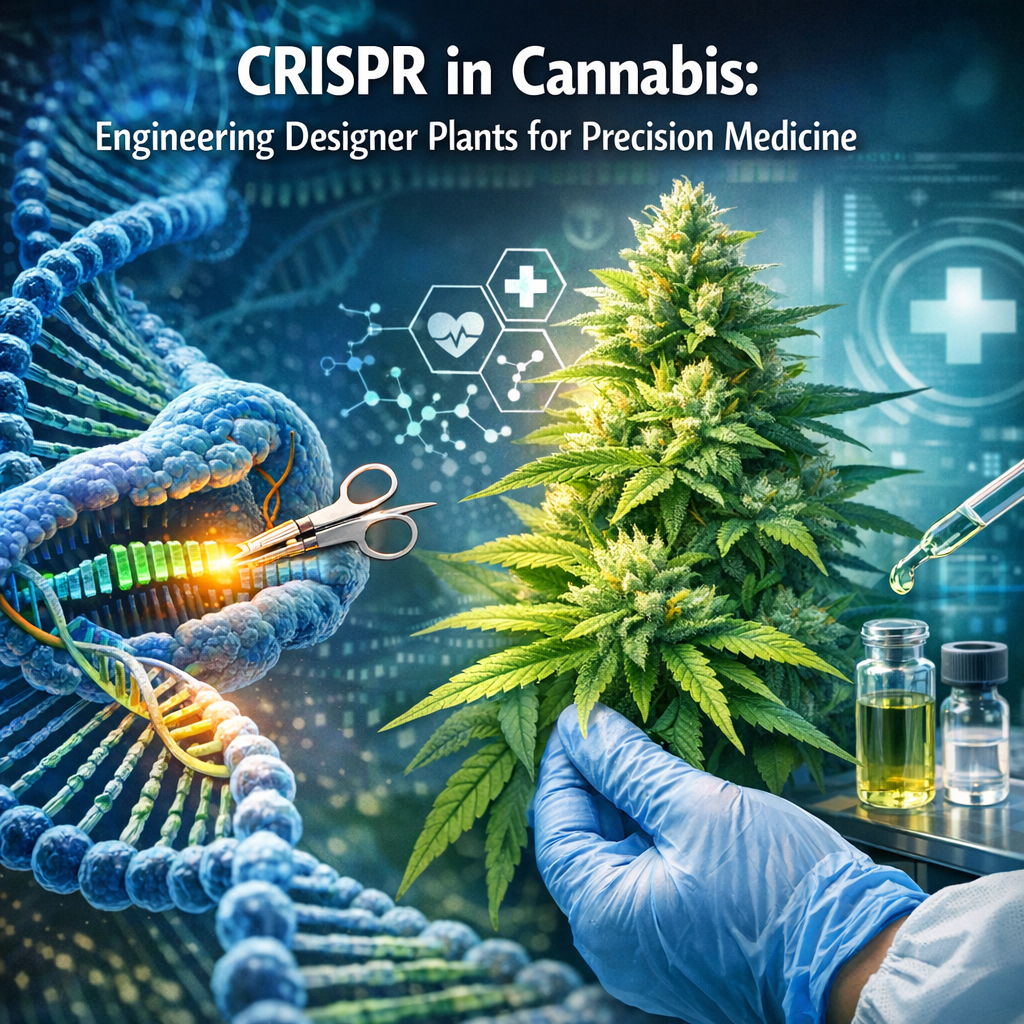
In recent years, the cannabis industry has undergone an extraordinary transformation due to the intersection of legalization, innovation, and scientific research. As cannabis gains mainstream acceptance, the need for developing resilient, high-quality strains becomes increasingly important. CRISPR technology, a revolutionary gene-editing tool, allows for precise alterations in an organism’s DNA, enabling the development of disease-resistant cannabis strains.
Cannabis plants, like other crops, face threats from pathogens such as fungi, bacteria, and viruses. Diseases like powdery mildew and Botrytis can devastate entire crops, causing significant economic losses and reduced quality. By using CRISPR, researchers strive to engineer cannabis strains inherently resistant to these pathogens, reducing reliance on chemical treatments and enhancing sustainability. This approach supports organic cultivation and ensures a consistent product for medical and recreational users.
Moreover, CRISPR can enhance the concentration of desired cannabinoids and terpenes while minimizing unwanted compounds, allowing for strain customization according to specific therapeutic needs or consumer preferences. Tailoring strains with increased disease resistance and enhanced therapeutic profiles presents an exciting frontier for the industry.
Features
Several studies demonstrate CRISPR’s potential in enhancing plant resistance to diseases and improving yield. Although the application of CRISPR in cannabis is in its nascent stages, agricultural research provides a promising roadmap. A study published in [Nature Biotechnology](https://www.nature.com/articles/nbt.3383) highlighted CRISPR’s ability to enhance plant resilience by improving disease resistance in rice.
The [Cannabis Genomic Research Initiative](https://cannabisgenomicresearchinitiative.org/) is exploring the potential of CRISPR, aiming to decode the cannabis genome. This could involve editing genes related to resistance against common pathogens or enhancing the production of natural cannabis oils that defend against pests and diseases.
Medical studies are considering the therapeutic implications of genetically customized cannabis strains. By increasing specific cannabinoids like CBD or THC, CRISPR could lead to more effective strains for treating ailments like chronic pain and epilepsy. Researchers at [Harvard University’s Dina Lab](https://dinalab.med.harvard.edu/) explore how gene-editing techniques could manipulate genes for producing compounds with medical benefits in cannabis.
Furthermore, developing disease-resistant cannabis strains could economically impact the industry. Reduced crop losses lead to lower production costs, increasing profitability for growers and making products more accessible for consumers. This innovation supports sustainable cultivation practices by decreasing the need for chemical pesticides.
Conclusion
The integration of CRISPR technology into cannabis cultivation represents a transformative leap for the industry. Creating disease-resistant strains, enhancing desired traits, and improving sustainability not only benefits growers and consumers but also aligns with eco-friendly agricultural practices. As research progresses, the cannabis sector stands on the brink of a revolution that could redefine possibilities with this versatile plant.
References
1. Nature Biotechnology. (2015). [Engineering plant disease resistance genes in staple food crops](https://www.nature.com/articles/nbt.3383).
2. Cannabis Genomic Research Initiative. (n.d.). [Cannabis Genomic Research Initiative](https://cannabisgenomicresearchinitiative.org/).
3. Harvard University. (n.d.). [Dina Lab: Frontier that will revolutionize cannabis](https://dinalab.med.harvard.edu/).
Concise Summary
The cannabis industry is evolving, with CRISPR technology at the forefront, promising the development of disease-resistant and high-quality strains. This gene-editing tool allows for precise DNA alterations, enhancing resistance to pathogens like fungi and bacteria, boosting cannabinoid and terpene concentration, and supporting sustainable cultivation. The Cannabis Genomic Research Initiative and studies at Harvard University explore these potentials, aligning with eco-friendly practices. The economic benefits include reduced production costs and increased profitability, marking a transformative step for the cannabis industry.