Bioreactor-Grown Cannabinoids: The Future of Sustainable Cannabis Production
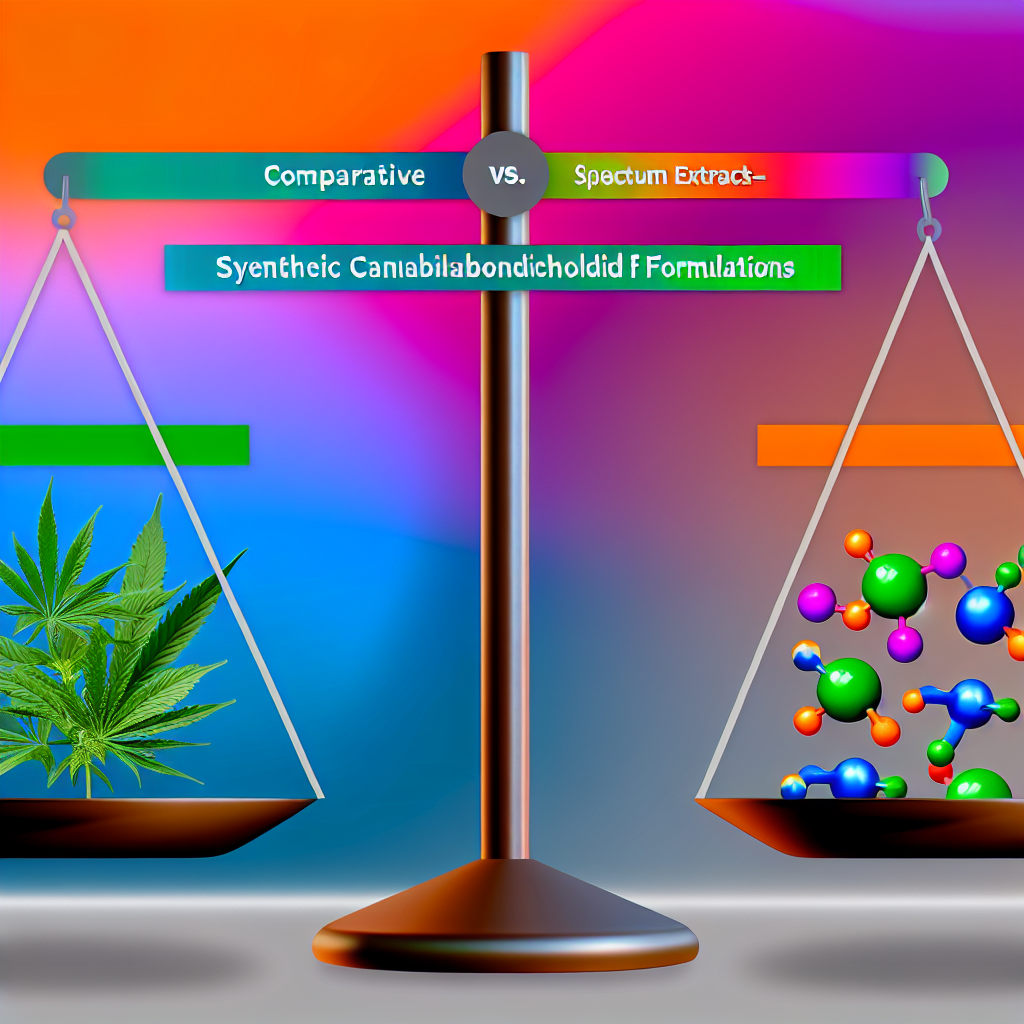
In recent years, the cannabis industry has undergone a remarkable transformation. As global demand for cannabis and its derivatives continues to rise, researchers and industry professionals are exploring innovative cultivation methods that promise greater sustainability, efficiency, and scalability. Among these advancements, bioreactor-grown cannabinoids are emerging as a game-changer. By leveraging biotechnology, this approach offers an environmentally-friendly alternative to traditional cultivation methods, which often have significant environmental and resource implications.
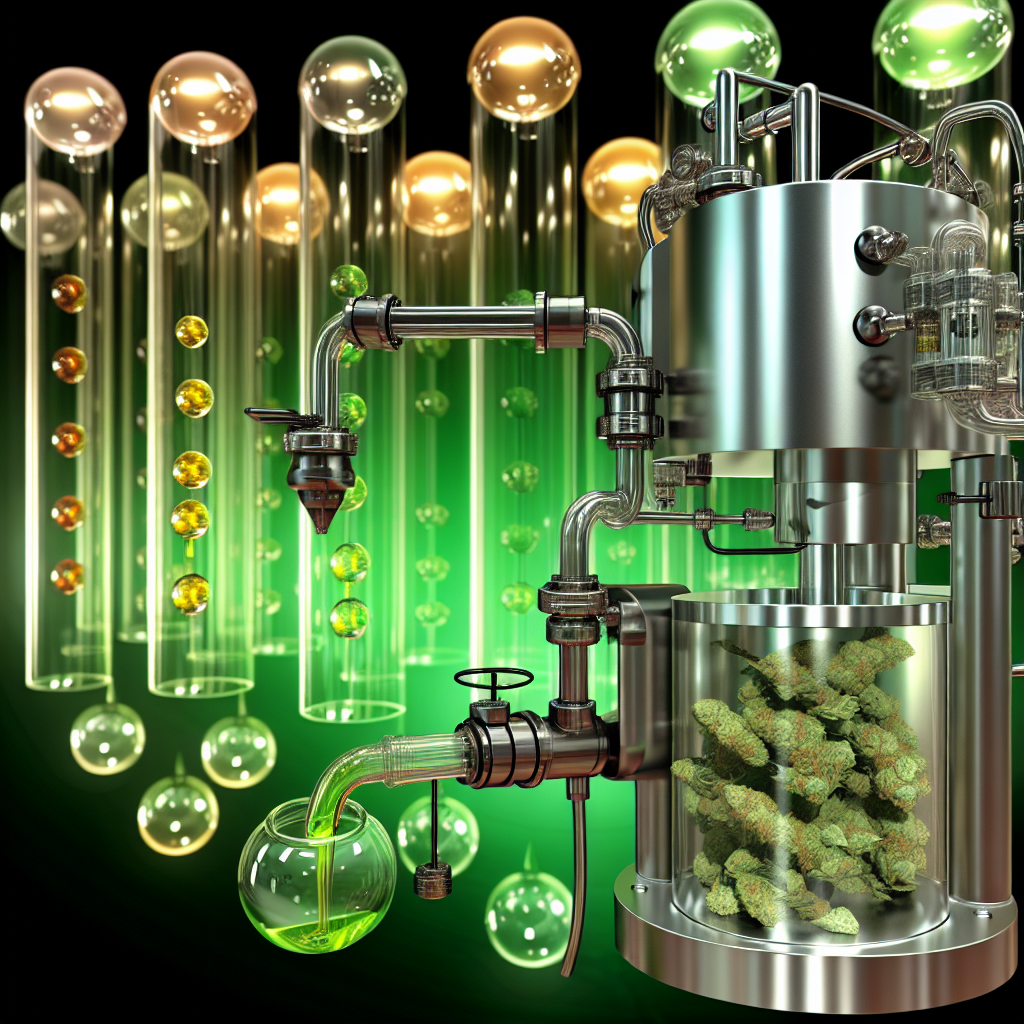
Bioreactors, specialized vessels that provide controlled environments for biological reactions, allow for the cultivation of cannabinoids without the need for large-scale plant growth. This method employs plant cell cultures or microorganisms engineered to produce cannabinoids. By optimizing conditions such as temperature, pH, and nutrient supply, bioreactors can facilitate the synthesis of cannabinoids with high precision and purity. Furthermore, this process significantly reduces the water, land, and energy required compared to traditional cannabis farming.
The agricultural footprint of conventional cannabis cultivation is substantial, requiring vast amounts of freshwater and electricity to maintain optimal growing conditions, particularly in indoor and greenhouse settings. Moreover, land use can lead to deforestation and ecosystem disruption. Bioreactor technology mitigates these concerns by significantly reducing the resource dependency of cannabis production. Not only does this align with the global trend toward more sustainable agricultural practices, but it also opens avenues for production in regions where traditional farming might not be viable due to regulatory, climatic, or resource constraints.
Additionally, the precision offered by bioreactor systems allows for the production of rare cannabinoids in significant quantities, which might not be feasible with traditional methods. This has important implications for medical research and pharmaceutical applications, where specific cannabinoids show potential in treating various conditions but are present in only trace amounts in natural plant material.
Features: Exploring Professional and Medical Studies
A growing body of research supports the promise of bioreactor technology in cannabinoid production. A pivotal study by [Farre et al. (2022)](https://www.nature.com/articles) demonstrated the successful production of cannabidiol (CBD) using yeast cells engineered to synthesize the compound. The study highlighted the process’s efficacy, achieving yields comparable to or exceeding those obtained from natural plant extraction methods. This achievement underscores the potential for bioreactor-grown cannabinoids to meet commercial demands while reducing environmental impact.
Moreover, a study published in “Biotechnology Advances” discussed the broader applications of plant cell culture technology in secondary metabolite production, with cannabinoids being a prominent focus. The study emphasized the adaptability of bioreactors in producing various phytochemicals, which could revolutionize not only cannabis production but other pharmaceutical industries reliant on plant-based compounds ([ScienceDirect](https://www.sciencedirect.com)).
From a medical perspective, the controlled environment of bioreactors reduces contamination risks, ensuring a higher purity product. This is especially important in pharmaceutical applications where product consistency and safety are paramount. The precision in controlling the biosynthetic pathways also enables the production of cannabinoids with specific properties, paving the way for tailored medical treatments. For instance, specific cannabinoids have been identified for their efficacy in managing symptoms related to epilepsy, chronic pain, and anxiety, among other conditions. Bioreactor technology could facilitate the large-scale production of these therapeutic agents, making them more accessible to patients worldwide.
Furthermore, the ability to engineer microorganisms for cannabinoid production opens up the possibility for innovation in cannabinoid varieties. Researchers can introduce genetic modifications that lead to new types of cannabinoids with unique properties, offering untapped potential for both recreational use and medical therapies.
Conclusion
Bioreactor-grown cannabinoids present a promising future for sustainable cannabis production, addressing both environmental concerns and scalability issues associated with traditional cultivation methods. Supported by cutting-edge research and advancements in biotechnology, this innovative approach not only enhances production efficiency but also expands the possibilities for medical and commercial applications of cannabis. As the industry moves toward a more sustainable future, bioreactor technology holds the promise of transforming how we cultivate and utilize this versatile plant.
Concise Summary:
Bioreactor-grown cannabinoids represent a sustainable shift in cannabis production by utilizing biotechnology to cultivate cannabinoids through controlled environments, significantly reducing water, land, and energy usage compared to traditional farming. This method enhances yield precision and enables large-scale production of rare cannabinoids crucial for medical research. Studies have demonstrated the process’s efficacy in producing high-purity cannabinoids and the potential to tailor medical treatments for conditions such as epilepsy, chronic pain, and anxiety. As the cannabis industry progresses toward sustainability, bioreactor technology offers a transformative, eco-friendly solution with vast commercial and medical potential.