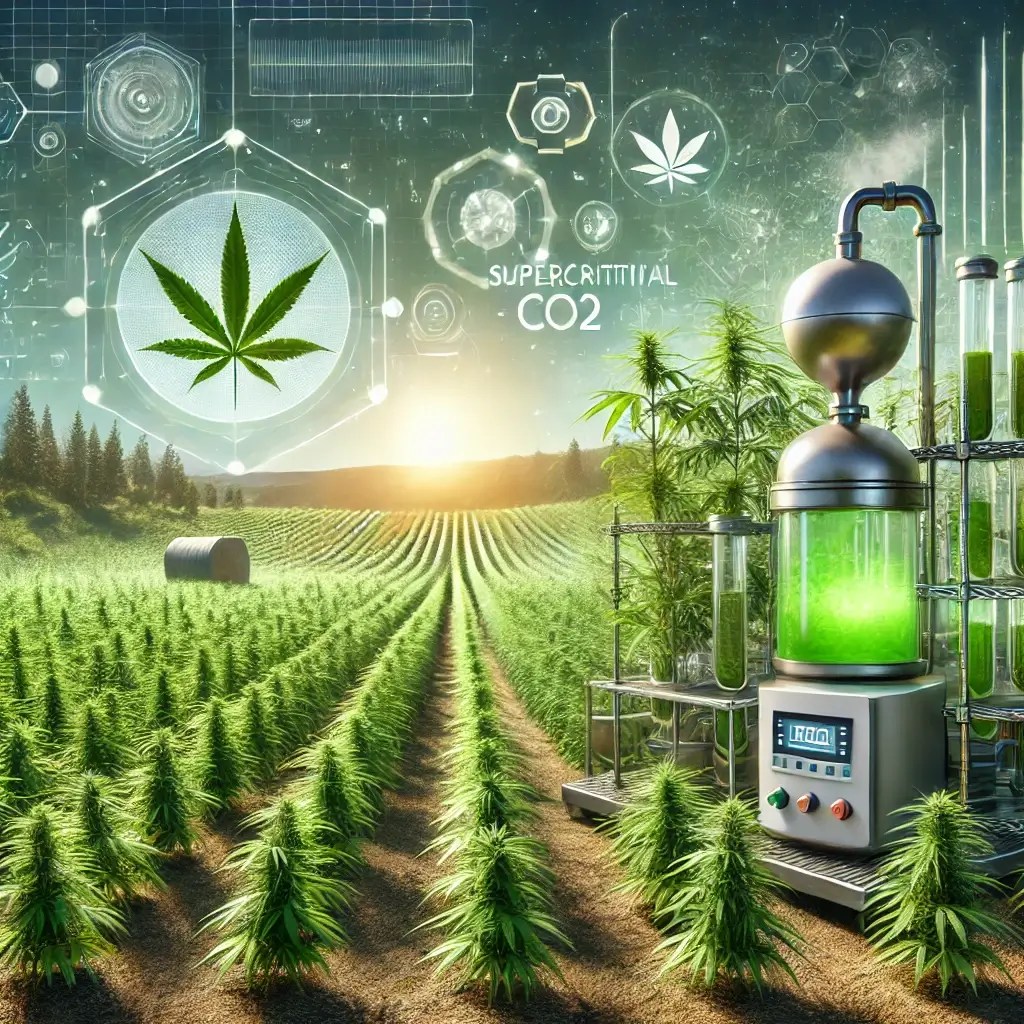
Harnessing CRISPR: Engineering Resilient Cannabis for Climate-Adaptive Cultivation
Introduction
Cannabis cultivation has rapidly transitioned from an underground activity to a burgeoning industry, marked by technological advancements and an increased understanding of plant biology. However, one of the most pressing challenges facing cannabis growers today is climate change, which is inducing more extreme and unpredictable weather patterns, affecting crop yields and quality. This is where CRISPR, a revolutionary gene-editing technology, comes into play. Originally discovered as part of a bacterial immune system, CRISPR (Clustered Regularly Interspaced Short Palindromic Repeats) has been adapted by scientists to precisely alter the DNA of living organisms, offering unprecedented opportunities in agriculture, including cannabis.
The potential of CRISPR in cannabis cultivation is immense. By facilitating precise genetic modifications, CRISPR can help develop strains that are resilient to environmental stressors such as drought, extreme temperatures, and pests. This capability is particularly crucial for cannabis, a plant that is not only sensitive to climatic conditions but also heavily relied upon for its medicinal and recreational properties. The ability to produce climate-adaptive cannabis can ensure consistent quality and supply, thereby supporting both consumers and the broader industry.
Moreover, the application of CRISPR in cannabis goes beyond just climate resilience. It offers the potential to enhance cannabinoid profiles, making it possible to increase the yield of compounds like THC and CBD that are of significant pharmacological interest. This can lead to more efficient production of medical cannabis tailored to meet diverse patient needs. As legalization sweeps across more regions globally, the cannabis industry stands on the precipice of a green biotechnological revolution spearheaded by CRISPR.
Features
Recent studies illustrate the transformative potential of CRISPR in agriculture. For instance, in 2020, researchers successfully used CRISPR to create tomato plants that can weather harsh climate conditions, a breakthrough that holds similar promise for cannabis ([Nature Plants](https://www.nature.com/articles/s41477-020-0651-7)). By editing genes associated with photosynthesis and water retention, scientists increased the drought resistance of the plants without compromising yield. Applying similar gene-editing strategies, scientists could enhance cannabis’s ability to thrive under adverse weather conditions.
Another exciting development in this realm comes from a project undertaken by scientists at the University of California, Berkeley. Their research demonstrated the use of CRISPR to modify terpenes and cannabinoid biosynthesis pathways in cannabis, offering insights into how specific cannabinoids can be enhanced ([UC Berkeley News](https://news.berkeley.edu/)). This knowledge is invaluable for the medical cannabis industry, where demand for certain cannabinoids like CBD and CBG that have therapeutic potential is burgeoning.
Furthermore, a study published in the journal “Scientific Reports” emphasized the capability of CRISPR to impart resistance to viral infections in crops ([Scientific Reports](https://www.nature.com/articles/s41598-020-66796-3)). Viral pathogens are a significant concern for cannabis, often leading to stunted growth and lower yields. Incorporating similar strategies can bolster the cannabis plant’s defenses, reducing losses and enhancing productivity.
The ethical and legal considerations surrounding the use of CRISPR in cannabis must not be overlooked. While the technology promises remarkable advancements, it also poses risks, and its use in cannabis needs to navigate regulatory frameworks that differ across countries. Nevertheless, as the dialogue between scientists, policymakers, and industry stakeholders matures, a path is being paved towards more sustainable, resilient, and productive cannabis cultivation.
Conclusion
As the cannabis industry continues to expand and face the challenges posed by climate change, CRISPR technology stands out as a powerful tool for engineering more resilient, climate-adaptive strains. By leveraging gene editing, cannabis can be optimized to withstand environmental stresses, enhance cannabinoid production, and ultimately meet the growing demands of both medical and recreational users. The future of cannabis cultivation lies in the intersection of biotechnology and sustainable agriculture, and CRISPR will undoubtedly play a crucial role in unfolding this next chapter.
References
1. Nature Plants: [Gene editing of plants for agricultural improvement](https://www.nature.com/articles/s41477-020-0651-7)
2. UC Berkeley News: [CRISPR-edited cannabis could improve pot’s pharmacological benefits](https://news.berkeley.edu/)
3. Scientific Reports: [Use of CRISPR/Cas9 for plant viral disease resistance](https://www.nature.com/articles/s41598-020-66796-3)
Concise Summary
CRISPR presents tremendous potential in transforming cannabis cultivation. By equipping cannabis strains to withstand environmental stressors like climate change, CRISPR technology can bolster plant resilience and cannabinoid profiles to meet rising medicinal demands. Recent advancements exhibit success in enhancing drought resistance and modifying cannabinoid biosynthesis pathways. As legalization spreads globally, ethical challenges and regulatory concerns persist. However, CRISPR’s capacity to optimize cannabis production for more consistent supply underscores its crucial role in driving a biotechnological overhaul within the cannabis industry, aligning with sustainable agriculture’s future trajectory.