Sure, I’ll revise the content based on your instructions:
—
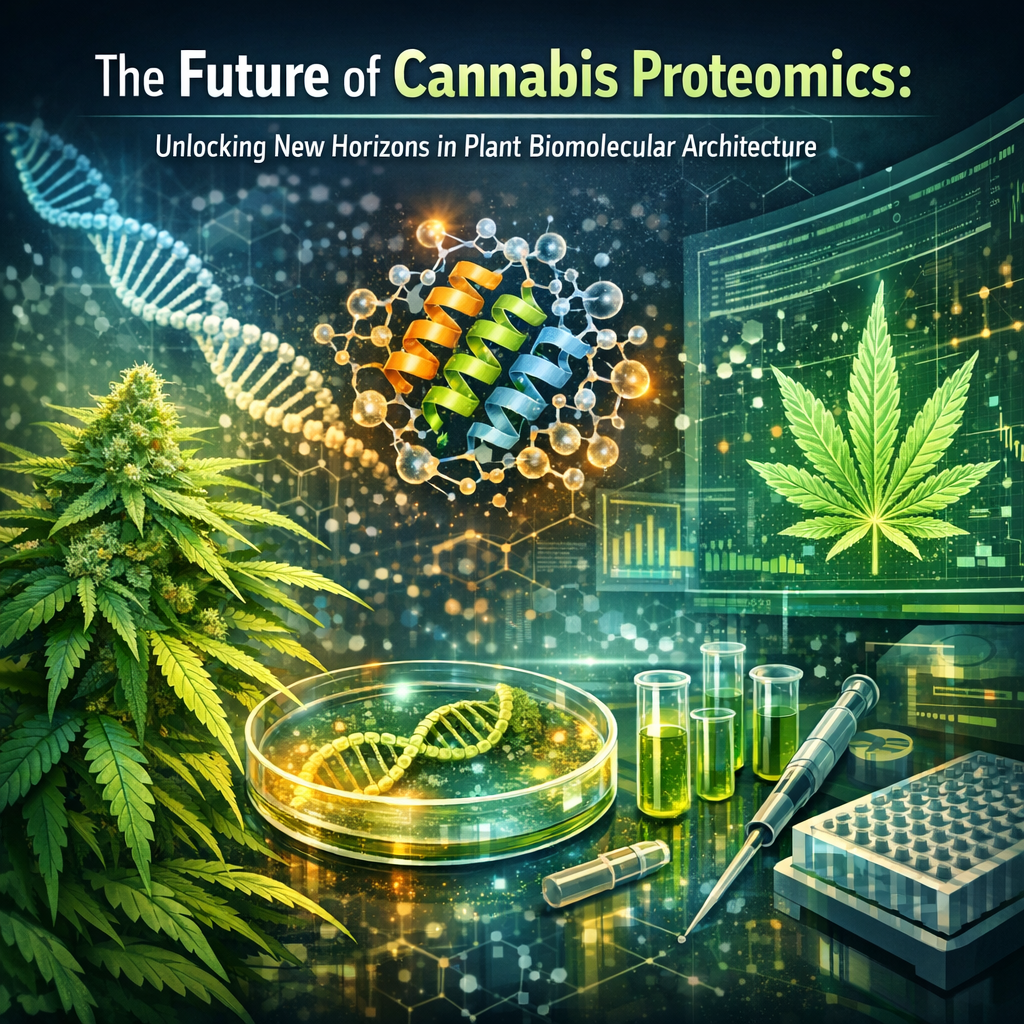
The Future of Cannabis Proteomics: Unlocking New Horizons in Plant Biomolecular Architecture
Introduction
Proteomics, the large-scale study of proteins, represents a significant frontier in understanding the complex biological architecture of organisms. In recent years, this scientific domain has moved beyond traditional subjects like human health and has begun to delve into the intricacies of plant biology. One of the most promising areas of study is cannabis proteomics, where researchers investigate the proteomic profiles of cannabis plants to unravel their biochemical properties and functional dynamics.
The cannabis plant, known scientifically as *Cannabis sativa*, is a reservoir of diverse biochemical compounds. Although much attention has been focused on cannabinoids like THC (tetrahydrocannabinol) and CBD (cannabidiol), proteins play crucial roles in modulating these compounds’ biosynthesis and overall plant physiology. Proteomics allows scientists to identify, quantify, and study these proteins, offering insights into how they influence plant growth, stress responses, and therapeutic compound production.
Understanding cannabis at the proteomic level could revolutionize breeding strategies and cultivation practices, potentially leading to strains with tailored biochemical profiles or enhanced resilience to environmental stressors. Furthermore, this approach provides new opportunities for precision medicine by improving the accuracy of cannabis-derived therapies. By studying the proteomic composition of cannabis, researchers aim to link specific proteins to health outcomes, thus informing both medical professionals and consumers about the benefits and risks associated with cannabis use.
Recent advances in mass spectrometry and bioinformatics have significantly enhanced our ability to explore the proteomic landscape of cannabis. These technologies can analyze hundreds to thousands of proteins in complex biological samples, providing a comprehensive picture of the plant’s biochemical architecture. As researchers begin to piece together the proteomic puzzle, they unlock new possibilities for enhancing both the agricultural and medicinal applications of cannabis.
Features
Several groundbreaking studies have highlighted the importance of proteomics in understanding cannabis biology. Researchers at the [University of Guelph](https://www.ncbi.nlm.nih.gov/pmc/articles/PMC6326557/) have pioneered efforts to map the proteomic landscape of *Cannabis sativa*. Their studies have led to the identification of over 4500 proteins, revealing critical insights into the metabolic pathways involved in cannabinoid and terpenoid biosynthesis. By understanding which proteins are involved in these pathways, scientists can manipulate them to enhance desired traits, such as cannabinoid potency or pest resistance.
Another significant contribution to cannabis proteomics comes from a study published in the [Journal of Proteome Research](https://pubs.acs.org/doi/10.1021/acs.jproteome.9b00304). This research uncovered key proteins associated with the plant’s response to environmental stressors, such as drought and pathogens. These findings are particularly valuable for growers seeking to optimize yield and quality in various climates. By selecting or engineering strains with proteins that confer resilience, cultivators can reduce losses and improve agricultural outputs.
Proteomic insights also have direct implications for medical research. A study conducted by researchers at [McGill University](https://journals.plos.org/plosone/article?id=10.1371/journal.pone.0240981) explored the role of cannabis proteins in modulating the plant’s therapeutic effects. This research aims to correlate specific proteomic signatures with pharmacological activities, facilitating the development of cannabis-based treatments that are more effective and have fewer side effects. By tailoring therapies to individual proteomic profiles, it may be possible to optimize treatment outcomes for conditions such as chronic pain, epilepsy, and anxiety.
The commercial sector has not been left out of these advancements. Several biotech companies are now utilizing proteomic technologies to create value-added products and services in the cannabis industry. By leveraging proteomic analyses, companies can develop innovative products such as high-potency extracts or health supplements with enhanced bioavailability. These products cater to an increasingly health-conscious consumer base seeking customizable cannabis experiences.
Conclusion
The future of cannabis proteomics holds the promise of novel insights into the plant’s biomolecular architecture. By unraveling the proteomic underpinnings of cannabis, scientists and industry professionals are poised to innovate new solutions in agriculture, medicine, and beyond. As this field continues to evolve, it will likely play a crucial role in shaping the next generation of cannabis research and applications. With collaborative efforts across disciplines, cannabis proteomics can unlock transformative potentials that benefit both industry stakeholders and consumers alike.
Concise Summary
Cannabis proteomics explores the protein landscape of *Cannabis sativa* to understand its biochemical intricacies and improve medicinal and agricultural applications. By identifying key proteins involved in cannabinoid biosynthesis and stress responses, advancements in this field could lead to tailored strains and enhance precision medicine. Technologies like mass spectrometry and bioinformatics drive progress, allowing researchers to unlock new potentials for industry and healthcare. This work positions cannabis proteomics as a pivotal force in revolutionizing plant biology, offering profound benefits to growers, medical professionals, and consumers seeking optimized cannabis experiences.