Pioneering the Future: How Artificial Intelligence Can Revolutionize Cannabis Pharmacology and Neuroscience
Introduction
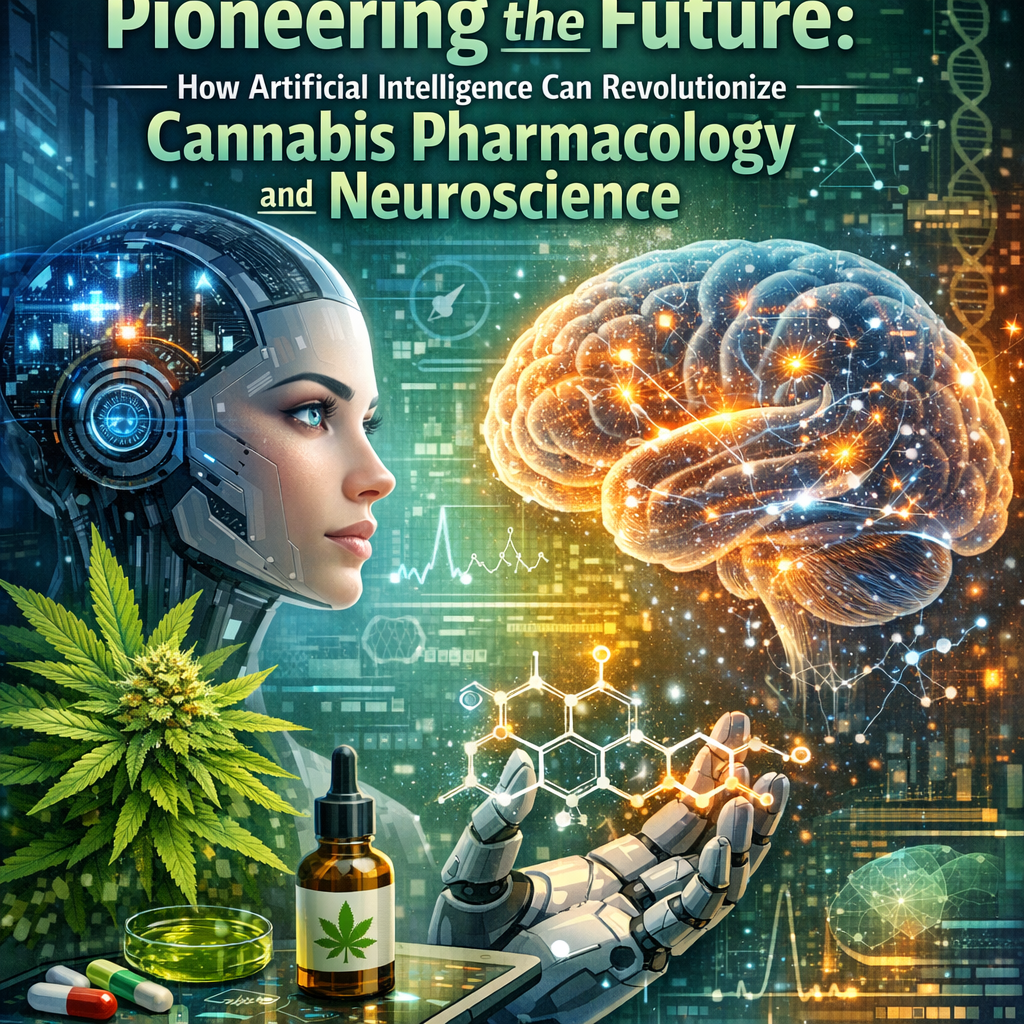
In an era where technology advances rapidly, the integration of artificial intelligence (AI) into various sectors is increasingly common. The impact is notably significant in the fields of pharmacology and neuroscience, particularly within medical cannabis research. While cannabis has been used for medicinal purposes for centuries, understanding its pharmacological effects on the brain is still evolving. Traditional cannabis pharmacology is labor-intensive and complex, especially given the human brain’s intricacies. AI offers a robust solution capable of analyzing vast datasets, identifying patterns, and enhancing predictive accuracy, thus revolutionizing cannabis pharmacology.
AI enables highly personalized treatment plans, optimizes cannabis breeding for medical efficacy, and predicts potential side effects using genetic markers. It also aids neuroscientists in mapping cannabinoids’ effects on brain function, opening new treatment pathways for conditions such as epilepsy, chronic pain, and mental health disorders. This integration promises accelerated research efforts and precision medicine with cannabis tailored to individual needs. Additionally, AI-driven insights might lead to new therapeutics that complement or replace conventional treatments.
Features
Recent advancements illustrate AI’s profound impact on cannabis-related research. One study in Nature Medicine utilized deep learning to predict individual responses to cannabis, analyzing genetic data to identify responders and non-responders to cannabinoid-based treatments. Another study in the Journal of Chemical Information and Modeling demonstrated AI’s potential in drug discovery, significantly expediting the identification of cannabinoids targeting specific neurological pathways.
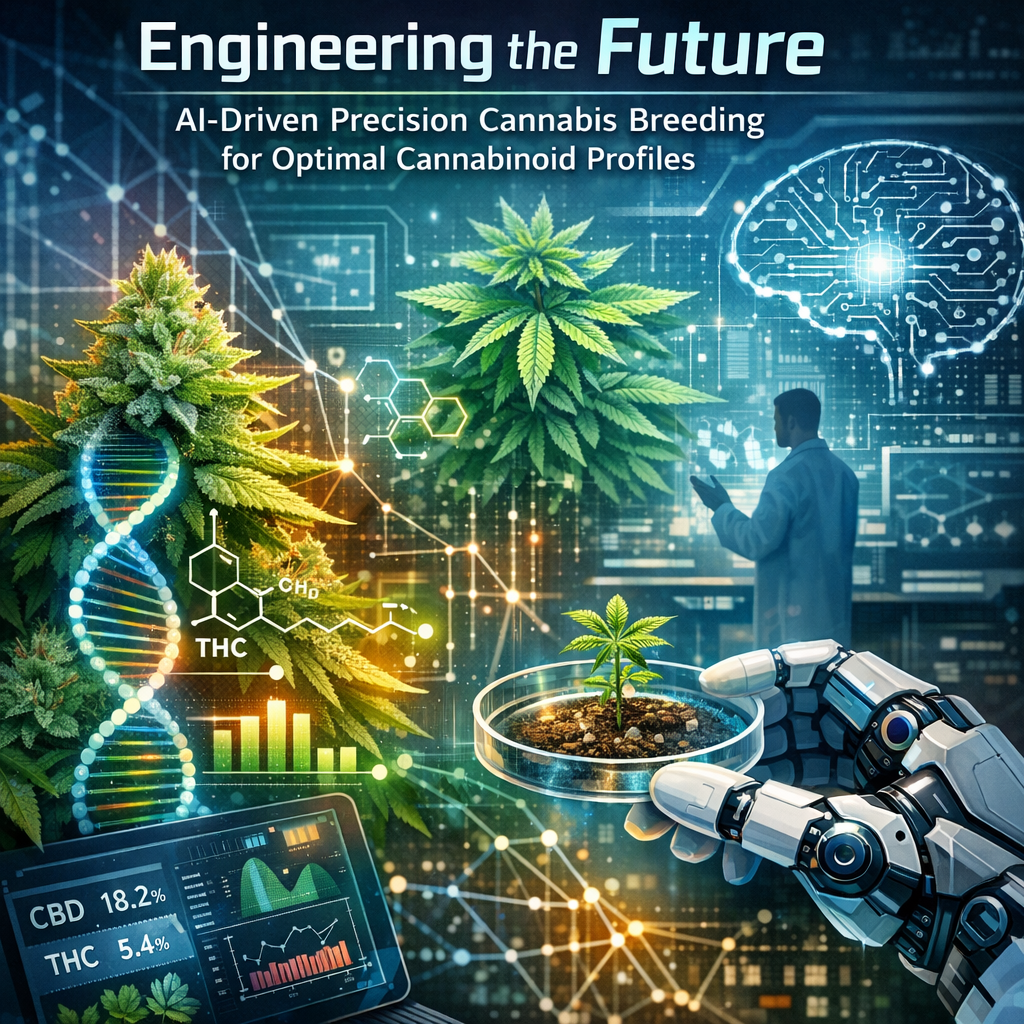
AI is revolutionizing cannabis cultivation by optimizing strain development. A study from Frontiers in Plant Science demonstrated AI models predicting cross-breeding outcomes, reducing time and resources for developing potent medicinal strains. In neuroscience, AI-powered imaging, specifically in functional magnetic resonance imaging (fMRI), helps map cannabis’ interaction with brain networks, offering potential pathways for treating PTSD and anxiety disorders.
AI-driven real-time monitoring systems are being developed for dosing and side effect management. Wearable biotechnologies provide data to adjust dosages for optimal therapeutic effects without adverse consequences, as discussed in Wearable Technology.
Conclusion
As AI evolves, its capacity to transform cannabis pharmacology and neuroscience is increasingly evident. By leveraging AI, we can look forward to cannabis-based therapies that are precisely tailored, effective, and accessible. Standing on the cusp of a new medical research era, the symbiosis between AI and cannabis promises to unlock the plant’s full therapeutic potential and redefine healthcare standards.
References
1. [Nature Medicine](https://www.nature.com/) – “Predicting endocannabinoid response with AI.”
2. [Journal of Chemical Information and Modeling](https://pubs.acs.org/) – “AI-guided discovery of cannabinoid bioactivity.”
3. [Frontiers in Plant Science](https://www.frontiersin.org/) – “AI-enhanced cannabis strain development.”
4. [Journal of Neuroscience](https://www.jneurosci.org/) – “AI insights into cannabinoid brain interaction.”
5. [Wearable Technology](https://www.tandfonline.com/) – “AI-driven biotechnologies for cannabis therapy.”
Concise Summary: Artificial intelligence is transforming cannabis pharmacology and neuroscience by offering personalized treatment plans, optimizing strain development, and improving drug discovery processes. Through AI, researchers can predict individual responses to cannabinoid therapies, expedite the identification of therapeutic compounds, and enhance cannabis cultivation for medical purposes. AI-powered imaging and real-time monitoring systems further broaden research and treatment avenues for conditions such as epilepsy, chronic pain, and mental health disorders, heralding a new era of precision medicine in cannabis-based therapies.